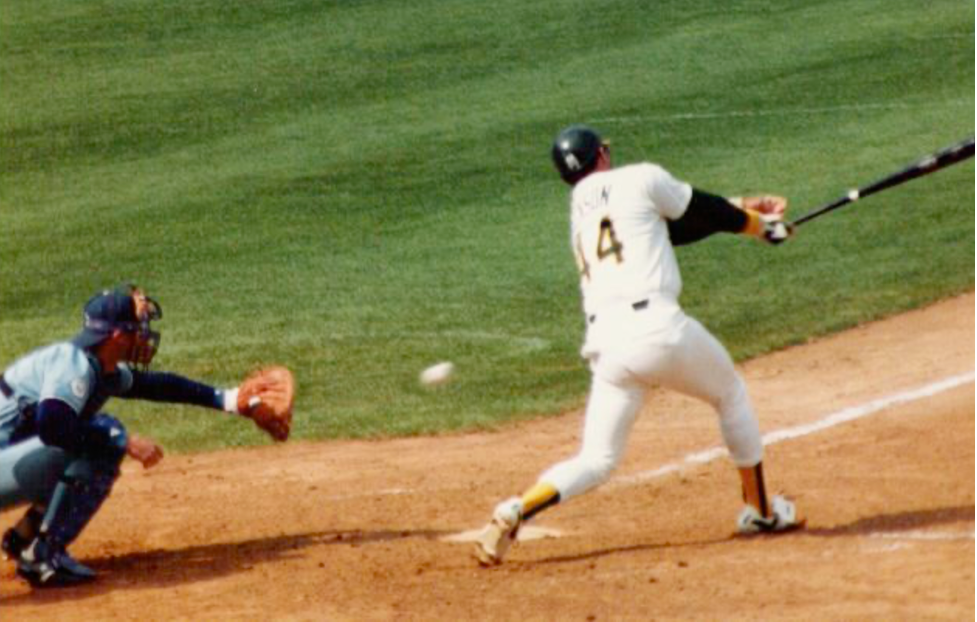
A swing and a miss

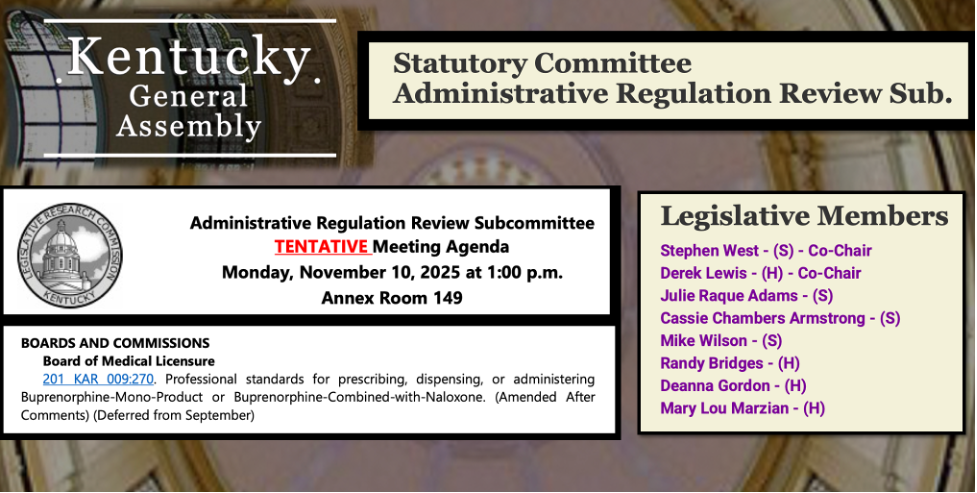
November 10th should have been a turning point in Kentucky’s effort to reduce overdose deaths. But instead of ending a broken and outdated rule, the Administrative Regulation Review Subcommittee (ARRS) stepped in to revive 201 KAR 9:270—Kentucky’s deeply flawed buprenorphine regulation.
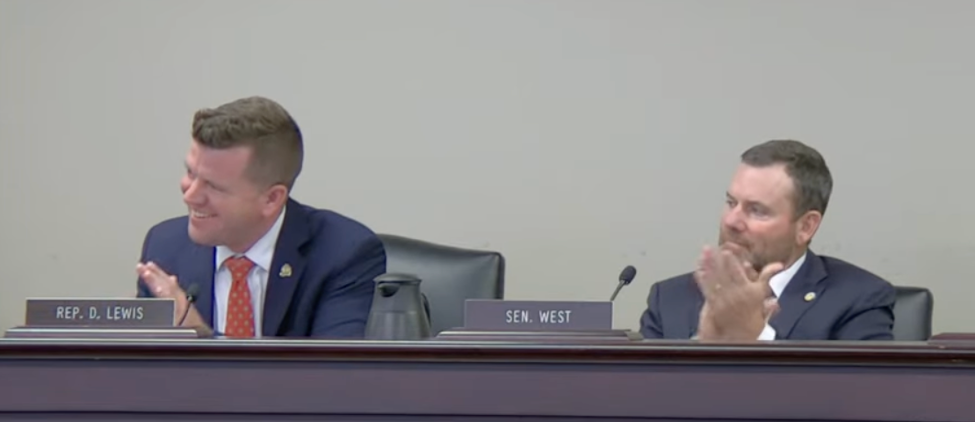
It was a moment that called for moral clarity.
The appropriate response should have been simple: Do Not Resuscitate.

Yet, the committee chose otherwise.

It was a swing and a miss at a golden opportunity.


What the Voting Members Said

Chairman, Rep. Derek Lewis:
“If you’re opposed to finding it [the regulation] deficient and think it should move forward, please vote no.”

Sen. Julie Raque Adams: “Aye.”

Sen. Mike Wilson: “Aye.”

Rep. Randy Bridges: “I’m going to abstain.”

Rep. Deanna Gordon:
“I’m going to vote no, but I’m on the health committee, and this is probably the place where it’s going to go after this.”

Rep. Mary Lou Marzian:
“I’m going to vote yes, because I’m really disappointed in the lack of communication from the board of medical licensure, and I have found them to be a little bit obstinate in the past.”

Co-Chair, Sen. Stephen West:
“I vote no. The main reason… is that the committee of jurisdiction has the subject matter expertise to cover this particular piece of regulation.”

Chairman Lewis:
“I am also a no. I do appreciate the testimony. I appreciate the passion. I truly do. We do have a process in place though.”


The Tally

MemberVoteMeaning
Rep. MarzianYESRegulation is deficient
Sen. AdamsYESRegulation is deficient
Sen. WilsonYESRegulation is deficient
Rep. GordonNORegulation is not deficient
Sen. WestNORegulation is not deficient
Rep. LewisNORegulation is not deficient
Rep. BridgesABSTAIN
Sen. ArmstrongABSENT

Result: 3 YES, 3 NO.

But because the ARRS seats eight members, to find the regulation deficient required a five vote majority.

So the motion to find it deficient failed—and by the slimmest of margins, 201 KAR 9:270 dragged itself out of the gutter and staggered on.


And It Was the SIXTH Time This Year!

April. July. August. September. October. November.

201 KAR 9:270 needed a whopping SIX appearances before ARRS in an eight month span, before it skidded out of committee by the skin of its teeth.
If that’s not a red flag, what is?

Shakespeare might have said:
“Something is rotten in the state of Denmark.”


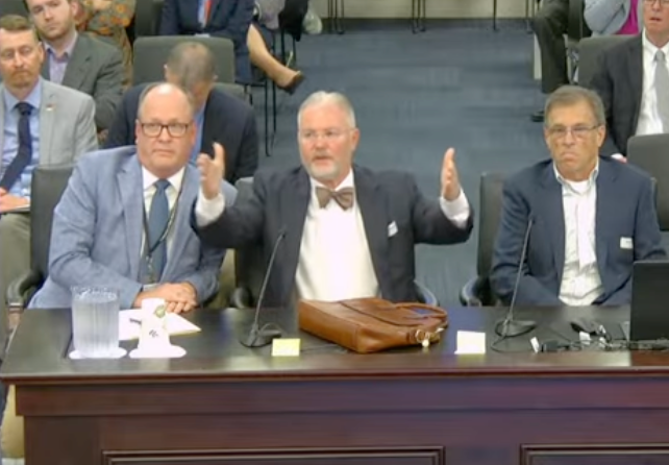
My Testimony to the Committee
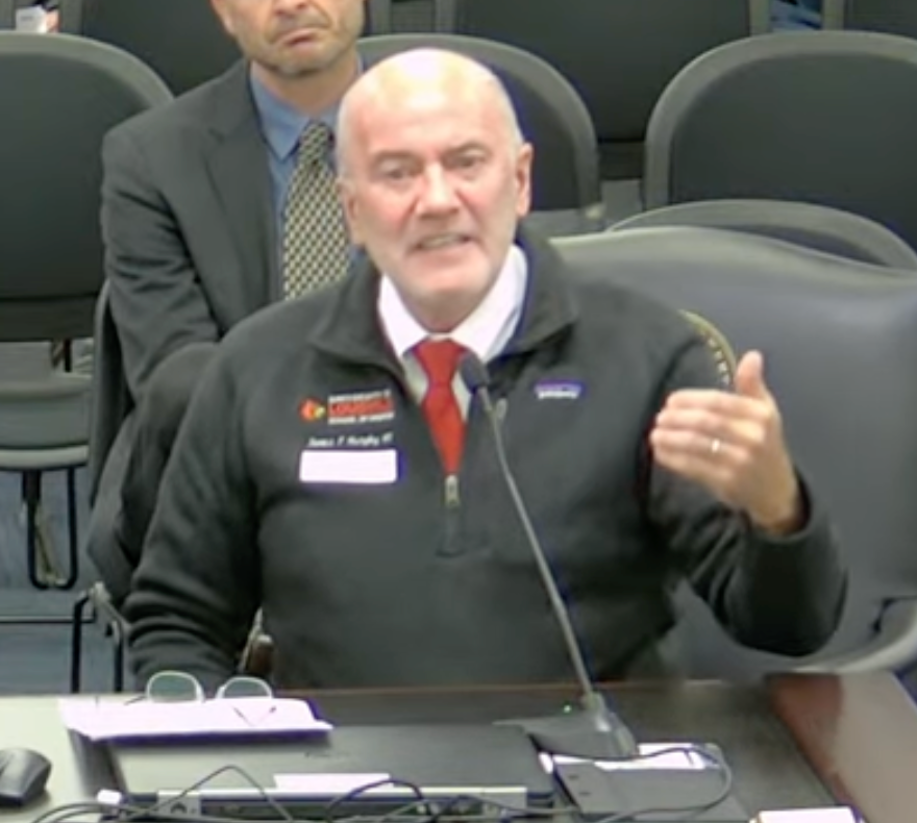
You have enough information.
You know what the right answer is.
And I ask you on behalf of your families
and everyone in this state who is suffering and dying—
for the four people who will die today from an overdose.
Think about those four people who die every day.
Every overdose is preventable.

Don’t let this go forward.


What Happens Next?

Sen. West offered a clue:

“There will be another chance…in the subject matter committee, as well as a legislative session that is coming up. We have 138 members of the General Assembly, and you can ask any of them to file a bill… and they can attack this problem for you.”

He’s right. 201 KAR 9:270 has not cleared all of the hurdles yet. We will have another opportunity, or two, or three…

Again, to quote Shakespeare: 

“If it be not now, yet it will come.”


If you want to see exactly what happened on November 10, here’s the meeting video:
https://www.youtube.com/watch?app=desktop&v=WMvRlWpK6m0

And next time…

Doctor Thornbury, Tear Down That Wall

Kentucky’s 201 KAR 9:270 is a barrier to lifesaving care

If a medication prevents overdose deaths,
and a regulation prevents treatment with that medication,
then removing that regulation will save lives.

The lifesaving medication is buprenorphine.
The barrier regulation is 201 KAR 9:270.

So why is 201 KAR 9:270 still on the books?

On Monday, November 10, 2025, the Administrative Regulation Review Subcommittee (ARRS) of the Kentucky General Assembly will ask that question—again. It’s the same question they asked the Kentucky Board of Medical Licensure (KBML) in October, when they urged the Board to work with the many medical and community groups opposing the regulation and return with a compromise.

A Month Wasted

The record speaks for itself.

October 14, 2025 — ARRS Meeting Discussion
KBML President Dr. Thornbury told legislators:

“Mr. Chairman, I think what we’d like to do is work with you and the committee to help our colleagues come together if we can.”

October 16, 2025
Two days later, KBML declined a meeting and asked the Kentucky Society of Addiction Medicine (KYSAM) to submit written amendments instead.

October 24, 2025
KYSAM submitted a detailed 8,000-word, 10-page markup of 201 KAR 9:270, along with an email from KYSAM President Dr. Colleen Ryan extending an open invitation for continued collaboration.

October 31, 2025
No discussion. No dialogue. No compromise.
Instead, KBML submitted two inconsequential edits to its 3,000-word regulation:

• Page 3: deleting “a” and inserting “an”
• Page 7: replacing “best efforts” with “a good-faith effort.”

Honestly, was this a good-faith effort by the medical board?

Dismissive and Counterproductive

KBML’s response to ARRS is dismissive, perfunctory, and contrary to the spirit of collaboration. For two years, the Board has mechanically engaged with Kentucky stakeholders while refusing to seriously consider the overwhelming professional consensus opposing 201 KAR 9:270. Lives are at stake, yet this pattern of disengagement continues unchecked, raising urgent questions about KBML’s priorities.

A Regulation That Costs Lives

Every day, Kentuckians die from preventable overdoses. Buprenorphine is a proven, evidence-based treatment that dramatically reduces overdose deaths and supports recovery. Yet 201 KAR 9:270 erects unnecessary barriers that make it harder for physicians to prescribe and for patients to receive this lifesaving medication.

When bureaucracy stands between patients and proven treatment, people die. 

On October 14, to the ARRS and a televised audience watching on KET (Watch the video at 1:17:28), KBML President Thornbury said the thinking part out loud when he qualified his testimony with:

I want the committee to understand, and

I UNDERSTAND HOW POLITICS IS.

Well, I understand this: with so many Kentuckians dying needlessly every year, reforming this regulation isn’t politics—it’s a moral imperative.

A Call to the ARRS

On November 10, the ARRS will again consider 201 KAR 9:270. I cannot see how anyone in good conscience could support advancing such a deeply flawed regulation.

I respectfully urge the ARRS to return 201 KAR 9:270 to KBML with explicit instructions to engage meaningfully with the medical and addiction-treatment communities—and to seriously consider overhauling or repealing it in favor of a solution that saves, rather than costs, lives.

As ARRS Co-Chair Senator Stephen West said last month:

“My hope is that maybe after the discussions today there would be some possibility of compromise…the reason we’re even asking for this is we realize how very important this decision is…We need to get this right.”

Licensure Board, tear down that regulation — and let Kentucky’s clinicians save lives.


Dr. James Patrick Murphy, MD

Dr. James Patrick Murphy, Region X Director for the American Society of Addiction Medicine, is a Louisville resident and professor at the University of Louisville School of Medicine.

Learn more about this issue here: https://ket.org/program/kentucky-health/managing-the-disease-of-addiction/

Kentucky needs the A.R.R.S. STARS to shine.

Please take three minutes to read how you can help a small committee make a BIG impact in the lives of Kentuckians battling opioid addiction.

Buprenorphine — a safe and effective medication for the treatment of opioid use disorder (MOUD) — is vital to reducing overdose deaths. Yet Kentuckians’ access to this lifesaving medication is in jeopardy because of an outdated, ten-year-old regulation still on the books: 201 KAR 9:270.

But there’s hope.

On November 10, 2025, the Administrative Regulation Review Subcommittee (ARRS) of Kentucky’s General Assembly has the power to reject the Kentucky Board of Medical Licensure’s (KBML) flawed update to this harmful rule.


Why the KBML Proposal Must Be Rejected

The KBML’s proposed update to 201 KAR 9:270 is insufficient, critically flawed, and should be sent back for comprehensive revision — or better yet, repealed altogether.

At its heart, this is about access.

Kentuckians battling opioid addiction need fewer barriers to buprenorphine, not more. Yet this regulation does the opposite — it’s full of unnecessary restrictions that are:

  • Outdated
  • Unsupported by research
  • Condemned by experts
  • Punitive toward people with addiction

Four Truths Everyone Should Know

1. Buprenorphine works.

The Kentucky Opioid Response Effort (KORE) reports that buprenorphine (and methadone) reduce illicit drug use and fatal overdose by over 50% — and improve quality of life.

If you would like to know more about how buprenorphine works to save lives, please check out this recent KET special:
🎥 Managing the Disease of Addiction (KET Kentucky Health)

2. Kentucky needs fewer barriers.

The Federation of State Medical Boards — of which Kentucky is a member — says that “reducing barriers to treatment” with buprenorphine is critical to “decreasing the risk of overdose.”

3. 201 KAR 9:270 is a proven barrier.

A recent study by Kentucky researchers repeatedly cited this KBML regulation as a barrier preventing people from receiving lifesaving treatment.

4. The ARRS has rejected KBML proposals before.

In 2008, after ARRS pushed back, KBML admitted in its fall newsletter:

“Acting on a request of the Kentucky General Assembly’s Administrative Review Subcommittee (ARRS), the Board has agreed to withdraw all of its existing guidelines.”


The Correct Course Is Clear

Reject 201 KAR 9:270.

On November 10, the ARRS can send this regulation back to KBML and direct them to work collaboratively with Kentucky’s addiction medicine specialists and other experts to create evidence-based, compassionate policy that expands access to treatment rather than restricting it.


What You Can Do

You’ve already taken the first step by reading this article. Thank you.

If you want to make your voice heard, contact ARRS members today and urge them to reject KBML’s proposed update to 201 KAR 9:270.

📞 Phone: 502-564-8100

Email ARRS Members:


This issue has flown under the radar for far too long. Now that you know, please help get this outdated regulation off the books.

And if you can, join us in Frankfort on November 10 for the ARRS meeting — it’s open to the public. Maybe I’ll see you there.


In hope for a better future for Kentucky,
James Patrick Murphy, MD