OPIOID Possibilities are Limitless

65_doctor_saying_sto

“What am I supposed to do? I’m over the limit.”

Recently I was visited by a patient “warrior”. I hadn’t known her before, but she had read one of my articles online and wanted to meet me.  I was touched. There in the foyer of our surgical center, she motored up in her electric scooter and smiled the genuine smile of a person seeing a long lost friend.

Are there limits to friendship? No.
Are there limits to prescribing opioids for pain? Maybe.

At the vortex of misinformation swirling around pain regulations is the fact that no state has limited what physicians are allowed to prescribe, although some states make it unwieldy to treat legitimate pain patients compared to other states; some set unsubstantiated quantity limits while others require consultation to a pain specialist if a predetermined (yet not scientifically proven) “morphine equivalent dose is prescribed”.  Nevertheless, no states unilaterally prohibit a prescription at any dose if the regulations are followed.  However, requiring a pain specialist in some cases may become a logistical nightmare because in most instances there are not enough pain specialists to go around.

photo-stepping-over-the-line1

To be sure they have created thresholds above which physicians are required to do certain obligatory actions like: drug screens, re-evaluations, treatment agreements, and database queries. But these requirements do not represent ceilings to what can be prescribed – as long as it is medically necessary.

Are these regulatory obligations rational, reasonable, fair, or effective? That is a subject for another article. What is true now, however, is that prescribers are drowning.

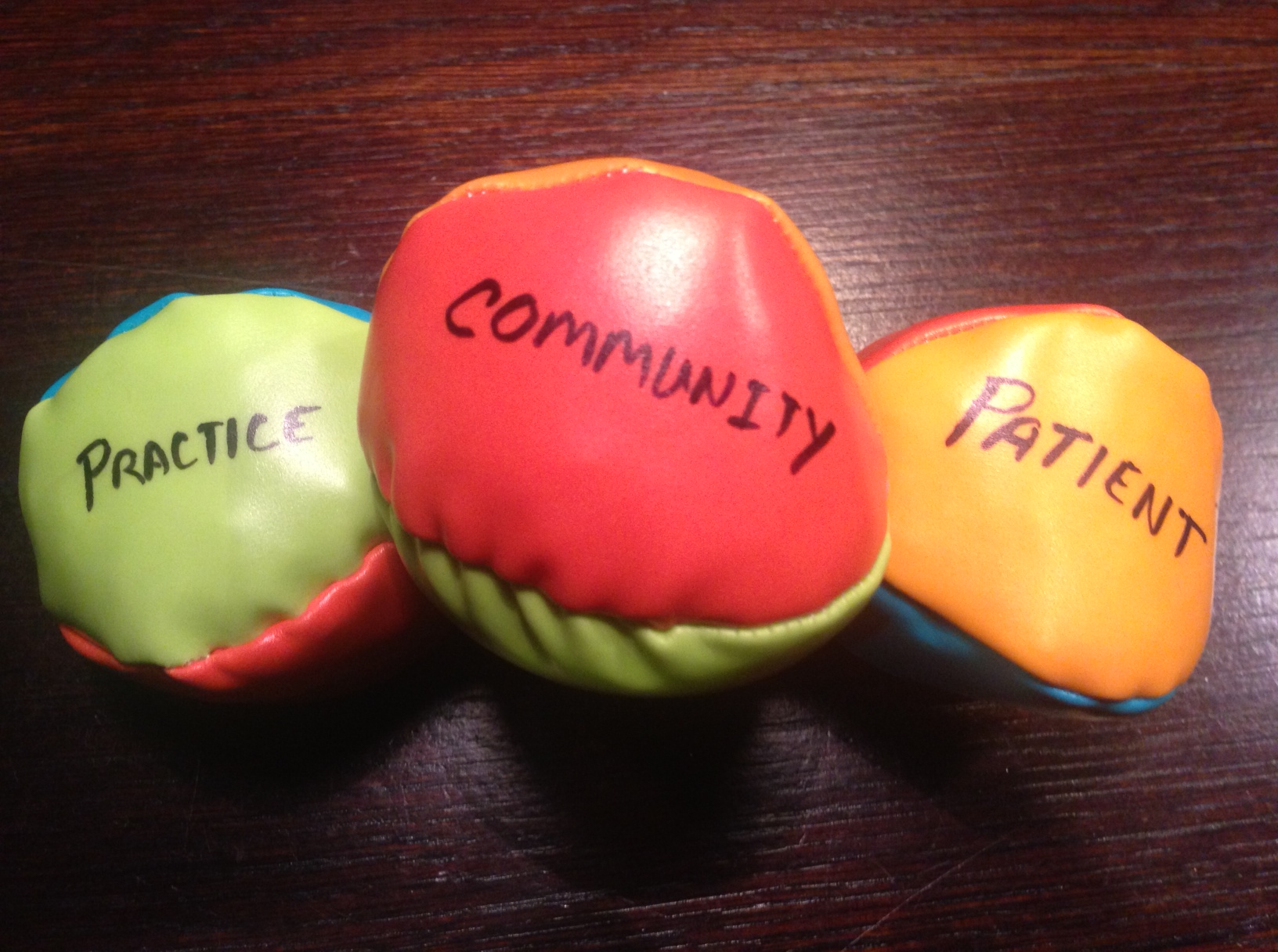
“OPIOID” is the acronym used in an upcoming seminar that aims to rescue prescribers from the regulatory maelstrom.

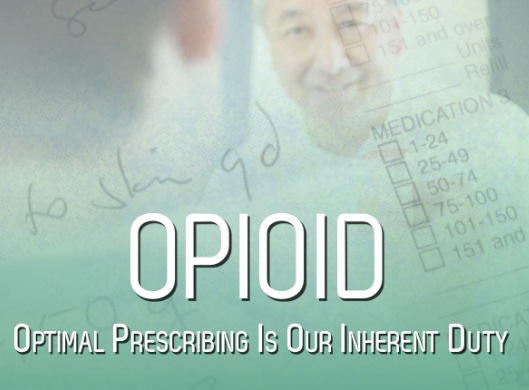
OPIOID picture

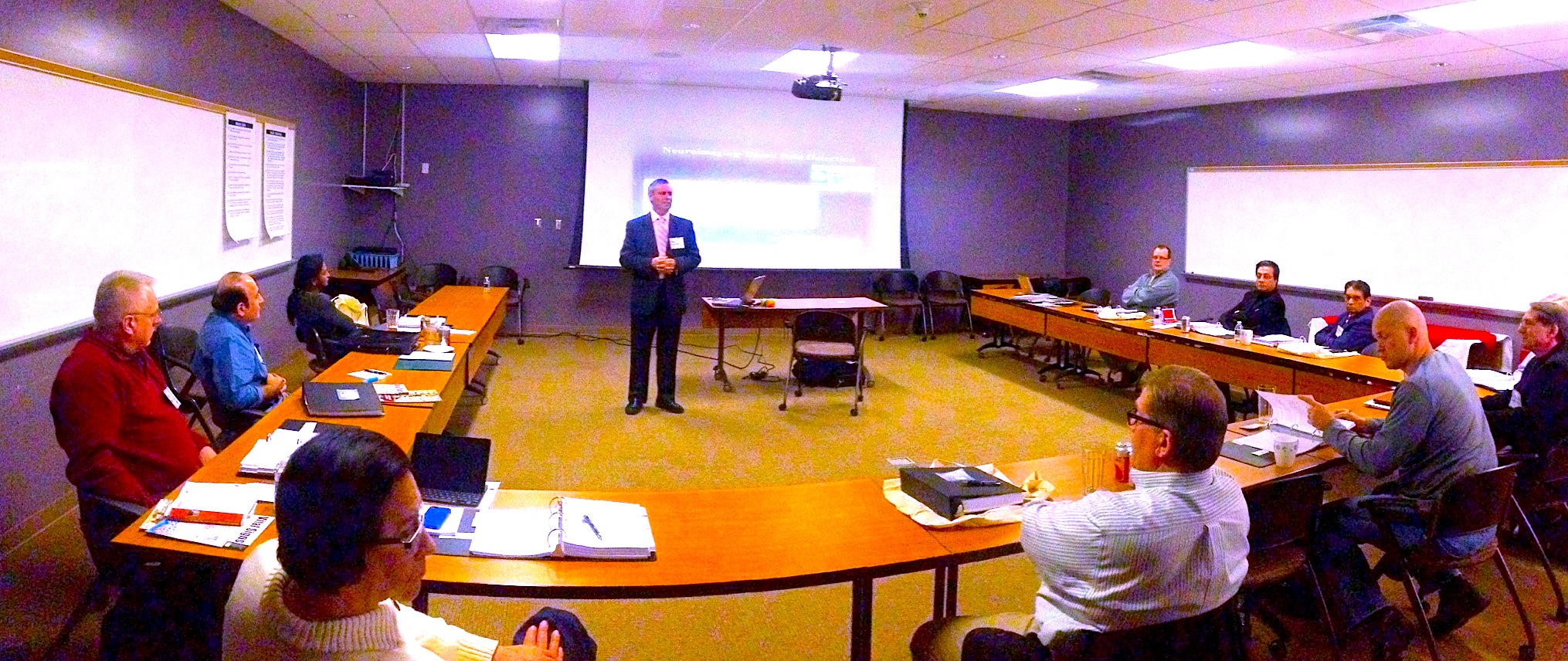
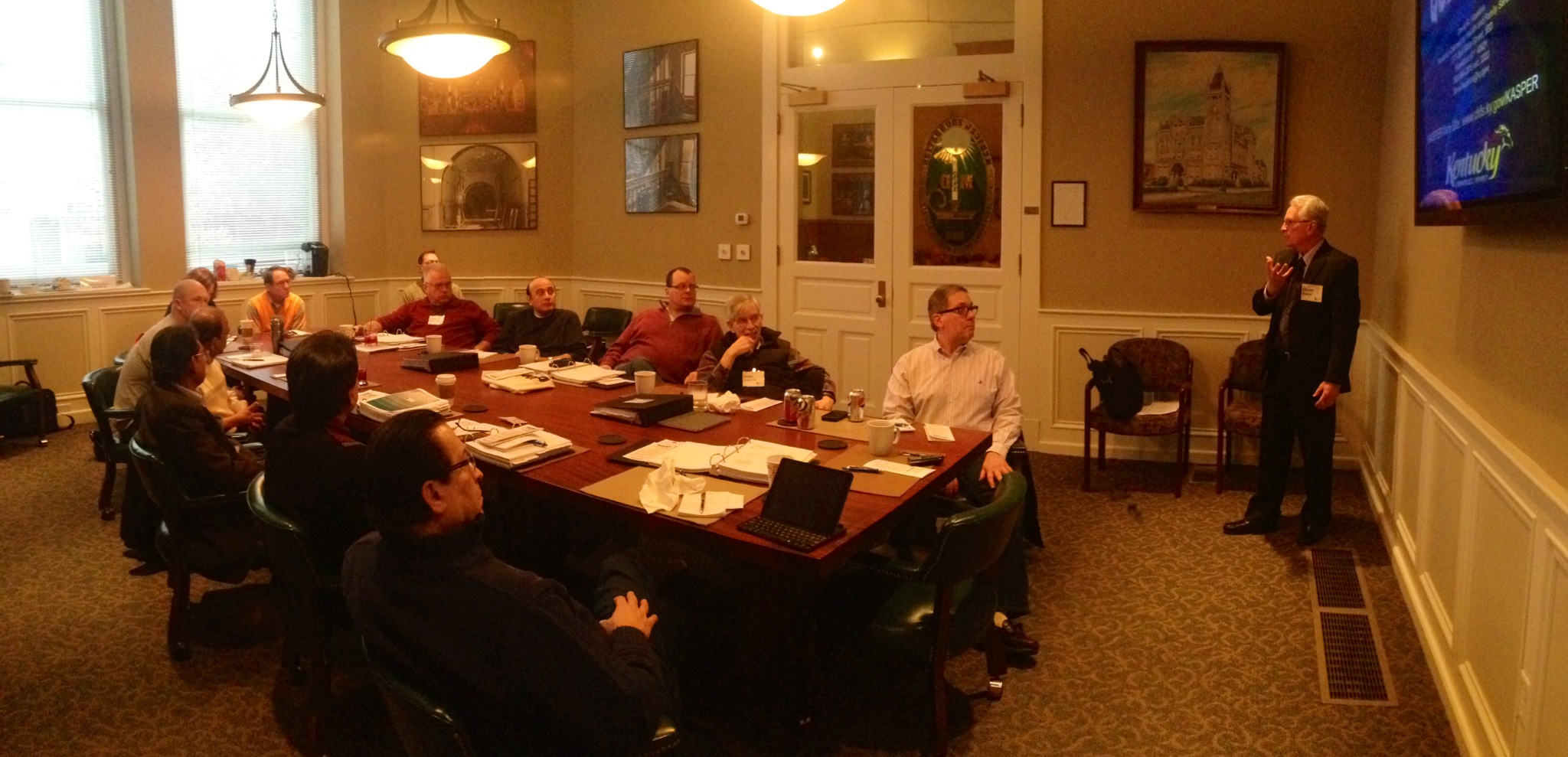
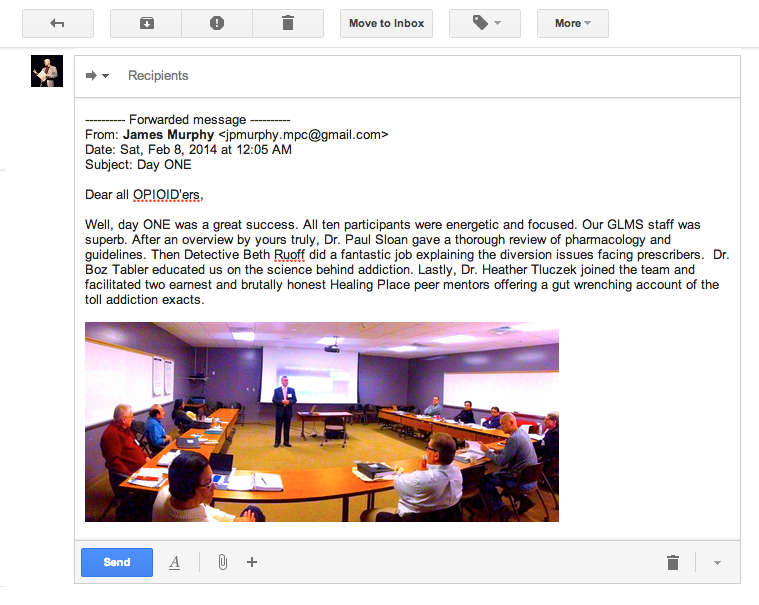
“OPIOID” means Optimal Prescribing Is Our Inherent Duty. It is a seminar conceived by physicians, approved by Kentucky’s Medical Board, and produced by the Greater Louisville Medical Society in association with the University of Louisville – February 7 – 9, 2014.   The goal of “OPIOID” is to empower prescribers to optimally care for suffering patients and adhere to the governing regulations.  Clinicians and support staff can register by email: physician.education@glms.org or call: 502-736-6354 or visit online at https://www.glms.org/Home.aspx (and click on the “OPIOID” tab).

My new friend, whose pain had confined her to her motorized chair, wasn’t quite convinced when I assured her that her state’s (Indiana) regulations did not limit what her doctor could prescribe. But in her friendly eyes I saw hope. And her hope gave me strength.

Am I strong enough to climb over the barriers created by these regulations? Are you?

As long as there are patients willing to fight the good fight, then so will I.  And courses like “OPIOID” provide us the tools we need to win. Together, the possibilities are limitless.

nolimits

James Patrick Murphy, MD, MMM

January 26, 2014

Note: This article was originally posted January 27, 2014 on Dr. Jeffrey Fudin’s blog http://paindr.com/opioid-possibilities-are-limitless-2

Weather the Storm with OPIOID

OPIOID Helps Caregivers Weather the Regulatory Storm

perfect-storm

Healthcare is engulfed in a torrent of regulations raining down upon caregivers. Nowhere is this more evident than in the delivery of pain care. Perhaps OPIOID is the way to weather this storm.

Allow me to explain…

Recently, I was talking with a sales rep from a drug screen lab, and our conversation naturally veered into a discussion about how states were beginning to require urine drug screens for patients receiving pain medication.

To a drug screen lab these regulations are like liquid gold.

But as easily as regulations are passed, they can be erased. And if the success of a lab is based on the existence of a regulation, then the business model is built on thin ice and for the wrong reasons.  If the regulations dry up, so does lab.

I’m a physician, and – like the lab – I expect compensation for what I do.

What I do is care for people by applying factual knowledge, energized by creativity, in accordance with evidence-based protocols, while remaining cognizant of the mysteries still misunderstood and the mysteries awaiting discovery. It’s a marriage of science and art.

I know that following regulations goes along with the territory. But following regulations does not make me jump out of bed every morning with passion and determination. A regulation never delivered a baby, bypassed a clogged artery, or discovered a cure. People do these things.  People need these things. I’d rather work for people than a regulation.

The delivery of pain care is perhaps the most regulated activity in medicine. And depending on the state, the regulations can seem foreboding to the caregiver.  The message is clear. Either get on board or the Board will get on you.

The thought of abandoning our suffering patients out of fear is bitter. The thought of losing our licenses is chilling. And the thought renouncing our calling as patient advocates to blindly follow regulations we don’t even understand…  is demoralizing.

It doesn’t have to be this way.

Remember my lab rep? My advice to her was to go back to her supervisors and suggest that they promote their product primarily as a means to help patients by helping prescribers. Then they would be serving the best interest of millions of people, as opposed to serving at the pleasure of a few hundred lawmakers. In other words, make improved quality of life the real goal – not adherence to regulations.

OPIOID picture

That’s what OPIOID is all about.   OPIOID means Optimal Prescribing Is Our Inherent Duty – a seminar conceived by physicians, approved by Kentucky’s Medical Board, and produced by the Greater Louisville Medical Society in association with the University of Louisville – February 7 – 9, 2014.   The goal of OPIOID is to empower prescribers to optimally care for suffering patients and adhere to the governing regulations.  People can register by email: physician.education@glms.org or call: 502-736-6354 or visit online at: https://www.glms.org/Home.aspx (and click on the “OPIOID” tab).

OPIOID is a prime example of caregivers holding steadfast to their calling in the regulatory storm.  Please spread the word. Together we can weather this.

rainbow-500x375

James Patrick Murphy, MD, MMM

January 26, 2014

Note: This article was first published January 27,2014  on http://www.drjohnmdthe blog by John Mandrola, M.D.


How Will You Define Yourself?

I am a doctor, but a doctor is not what I am.

– penned in my spiral notebook, circa May 1985

Despite a medical career’s insatiable hunger for attention, my chosen path does not define me, but it has provided glimpses of who I am.

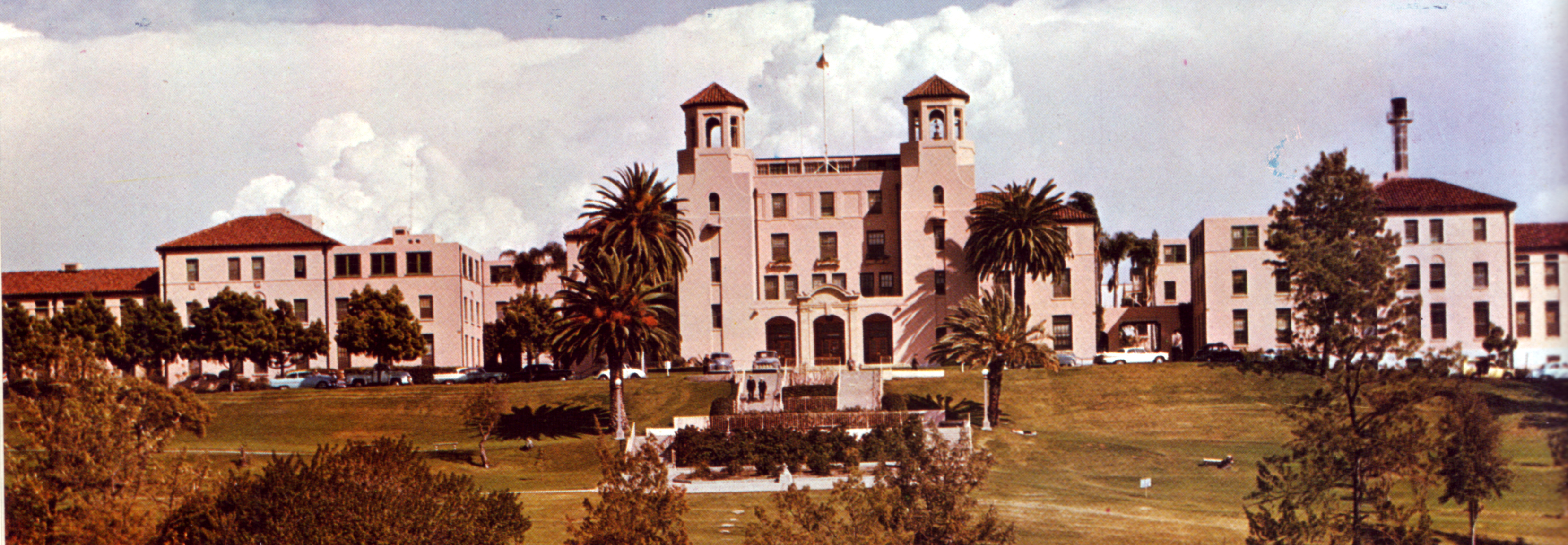
San_Diego,_CA_Old_Naval_Hospital_Administration_Building_1955

For example, during my internship at Balboa Naval Hospital I was occasionally assigned to draw blood for labs. One such afternoon, my blood-rounding brought me to a diminutive, bent, hairless, elderly man sitting quietly in his bed on the open bay ward. After a brief exchange of pleasantries, he offered an atrophied left upper extremity for blood acquisition. Upon completion he warmly thanked me and even complimented me on being a “good needle-sticker.”

Later, I learned that the diminutive octogenarian was a retired two-star admiral who was admitted to this ward because he had refused any special treatment in deference to his lofty rank. If a no-privacy open bay ward was good enough for his sickly comrades, it was good enough for him too.

Besides an amazing lesson in leadership, my encounter with the admiral taught me that, regardless of how powerful, wealthy, famous, weak, poor, or humble one might be, we each travel a path to the same destination.  In days past, simply rumor that he was onboard ship would have created an air of anxious hyper-attention. But in his life’s final chapter he was humbly grateful that the apprentice doctor sent to draw his blood didn’t botch the needle stick.

What defined this person. His accomplishments? His failures? His youthful conquests? His final chapter?

Are we defined by life’s moments? Perhaps the sum of life’s moments?  Is one’s present moment – or even one’s final moment – life’s truest summation?

I have my doubts.

Despite our yearnings to the contrary, our present evaporates and becomes our past – no different than a dream. And we are not defined by our dreams – nor our past.

So, if not the past, are we defined by the present?

I have more doubts.

brain speed

The brain does not work at the speed of light – not even close. In fact, every conscious thought results from a chain of chemical reactions initiated by sensory stimuli. Therefore, awareness of a moment in time can only occur after the stimulating event.  Awareness of the present is really just a memory.

So does the present even exist? Yes it does; in theory (i.e. the theoretical present). But I can’t prove it.

giving-records

During a deposition I gave years ago, with the lawyer’s argument hinging upon proving the medical record to be comprehensive, she asked, “Isn’t it true that if it wasn’t documented, it didn’t happen?”

My response was, “If it wasn’t documented it simply means it wasn’t documented.”

I still stand by that.

Like the medical record, your perception of the present moment is legitimate documentation that your present moment exists.  But that’s all it is – documentation. Not proof.  Again, awareness of the present is really just a memory.

I have lots of memories – especially of my patients. And being a physician to a significant number of elderly patients, I deal with loss on a regular basis. While it is never easy to say good-bye, I usually find solace in knowing that I tried to provide comfort in a patient’s latter steps along life’s journey.

Obituaries, written to summarize these journeys, usually pique my curiosity.  Some are just a few lines. Some are novellas. Some offer comparison photos of the youthful and the elderly visage.  Regardless of length, obituaries cannot define a life.

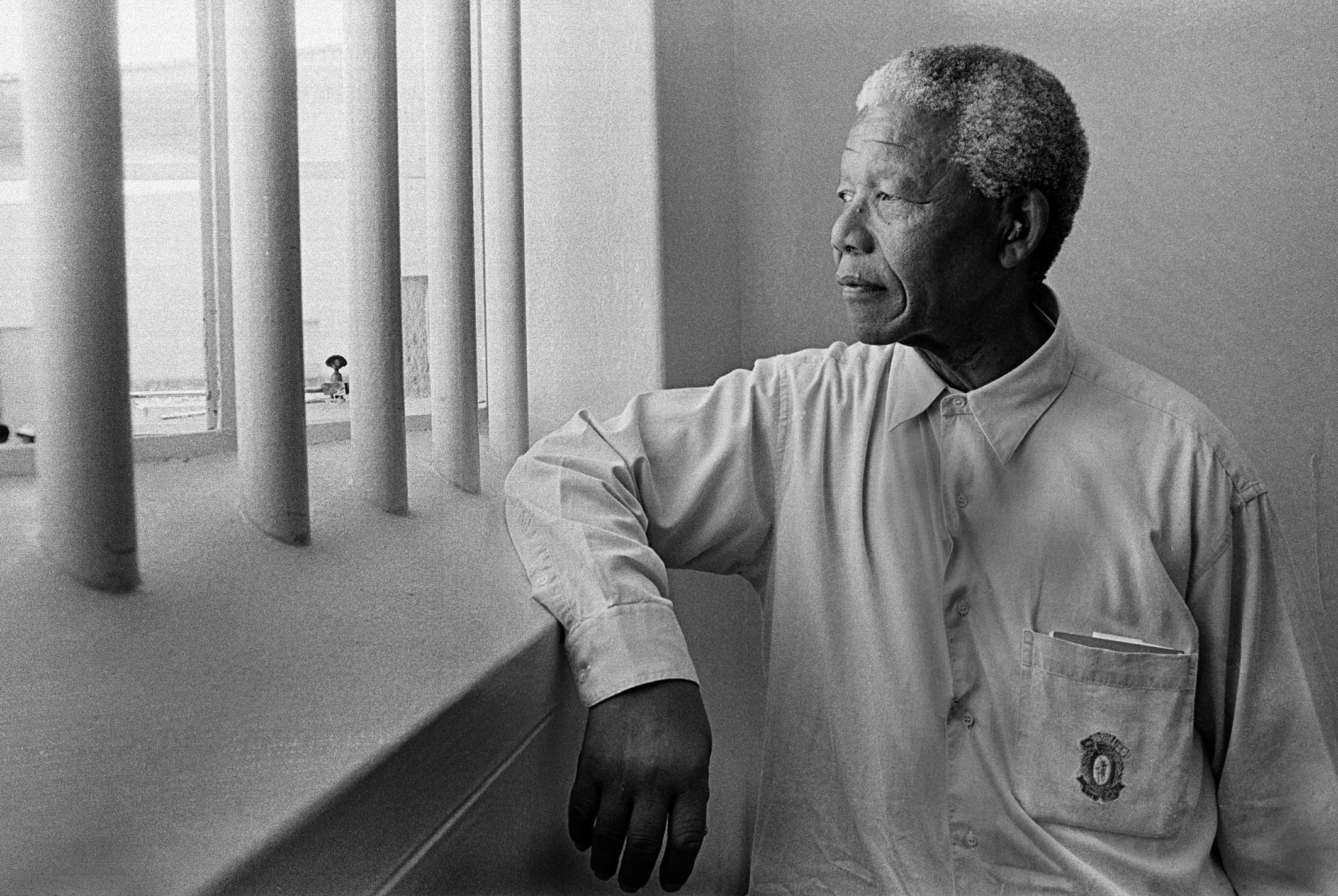
N.Mandela in his cell on Robben Island (revisit} 1994

For example, by the time you read my article, the iconic Nelson Mandela will have been laid to rest – after perhaps the most extensive obituary in the history of the media – and still the world will have only gotten an infinitesimal account of his life.  At the end of it all, will we have defined the man?

Not a chance.

Hess obit

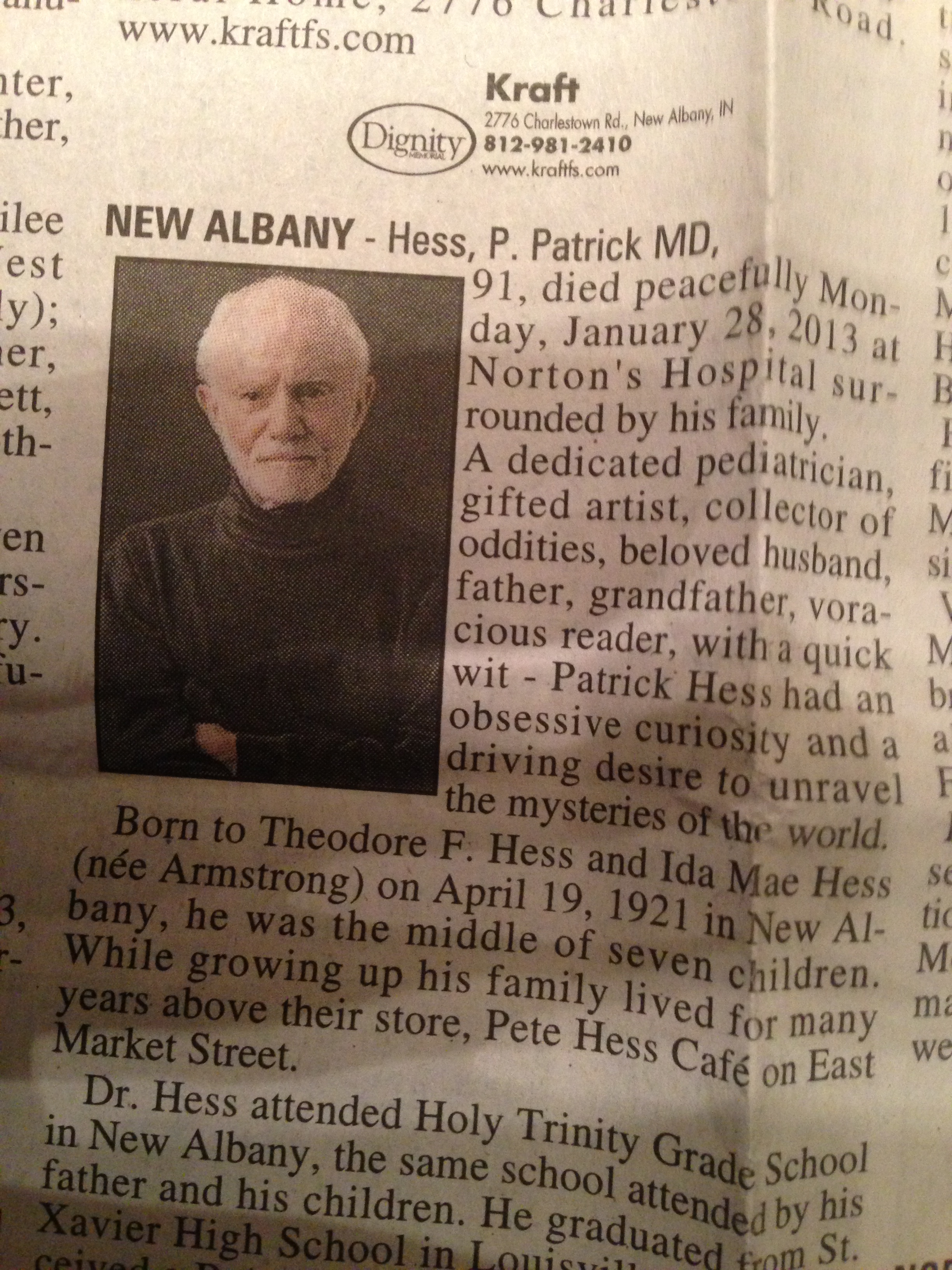
About a year ago, I read the obituary of a local doctor, P. Patrick Hess, M.D. He was eloquently described as: “A dedicated pediatrician, gifted artist, collector of oddities, beloved husband, father, grandfather, voracious reader, with a quick wit – Patrick Hess had an obsessive curiosity and a driving desire to unravel the mysteries of the world.”  It went on to mention his family, accomplishments, education, and professional endeavors – all lovely. But I felt there was more to this man’s life. Then I read his poem and felt something had indeed been defined.

All physicians are artists,

not always in disguise.

Our way of looking at a patient,

allowing our minds to roam all over those perceptions of our previous life,

often forgotten,

to scan these memories and pull something from our unconscious mind – all with the purpose of creating something. 

Something to help the patient.

This creation is,

itself,

a work of art.

Every imperceivable moment that passes is not only a new reality; it is rebirth, renewal, and redefinition.  Therefore, like the theoretical present, we can only be theoretically defined.

How will I define myself? I guess this will have to do:

I am a doctor, but a doctor is not what I am.          

circa January 2014

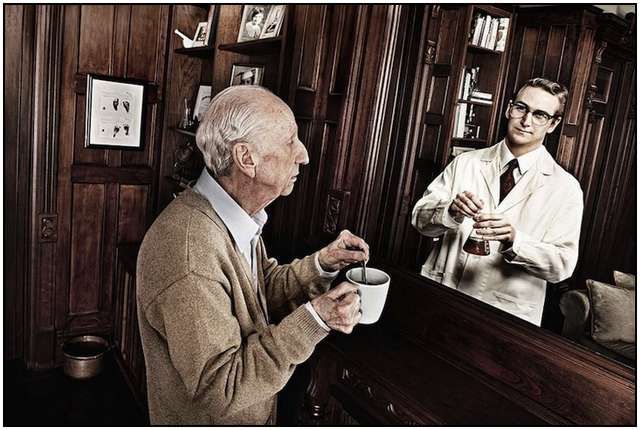
old-doctor-in-the-mirror

How will you define yourself?

Note: This article was first published as the President’s eVoiceLouisville Medicine, January 2014.

The Ripple Effect

Ripple_effect

…INCLUDING SUDDEN DEATH

In the fall of 1992, fresh from residency training, “…including sudden death” was the standard ending to my “risks of surgery” informed consent spiel. Usually my patients recoiled, shivered, sighed, and ultimately signed by the “X.”

But her response caught me off guard.  She smiled a grandmother’s smile.  And as though to comfort me, she offered, “I’m not worried.”

Then, noticing my curious half smile, she bobbed her arthritic index finger down and up one time, gazed at me warmly and answered, “That’s why.”

******

Worry can be paralyzing. So how can you cope?

In my career as a Navy flight surgeon, anesthesiologist, pain & addiction specialist, husband, father, and son I have been blessed with the opportunity to connect intimately with people on many levels. I’ve noticed those who preserve their joy despite insurmountable challenges seem to share certain themes. To beat worry, they “prep” themselves.

P R E P 

healthy body

P

Firstly, they address their PHYSICAL needs. You live inside a body. And your body has tremendous influence on how you handle stress. You should promote its physiological well-being.  Get enough sleep. Eat well. Exercise. Also, since we are what our chemicals tell our brain we are, do what you can to optimize your chemicals. This means if your serotonin is low, your hormones are deficient, your endorphins are depleted, or any other ailment needs medical attention – tend to it. Your body is the only vessel you will ever have on life’s journey – better to patch the holes than to be constantly bailing.

research

R

Secondly, they RESEARCH.  Compared to other animals, humans have huge frontal lobes. This allows your brain to analyze facts. Do this. Uncertainty breeds worry. The more you understand a situation, the more likely you are to find solutions. So when faced with worry, gather as much information as possible, realistically predict what might happen, and then take actions to improve the likelihood of the better outcomes.

give

E

Thirdly, they have an EXTERNAL focus.  Doing something for someone else or a cause that benefits others, with passion, selflessly, will make your problems seem less ominous. Frankly, it is impossible to think about yourself when you are locked into thinking of someone else. Living at the center of the universe can be very lonely.

Earth-the-universe-stars-435

P

Finally, they have PERSPECTIVE. Humans are the only organisms aware of concepts like the past, the future, beauty, love, death, and eternity.  Try as you may, the past cannot be undone. The future is no different than a dream. You have complete control of your perception of beauty and how deeply you love. These certainties coupled with awareness that one day the mystery of eternity will be answered should prompt you to ask yourself, “Do I really want to spend so much time worrying about _______ (fill in the blank)?” You probably have bigger fish to fry.

* * * * * *

That morning my grandmotherly patient went on to explain the significance of her bobbing finger. “Your life is like dipping your finger in water. No matter how much you want it to be different, you only make ripples that just fade away with time.”

I have never forgotten that simple metaphor of a finger dipping into water. A life’s dissipating ripples in time are more harmonious when sheltered from the dissonance of worry.

It is essential to PREP.  Optimizing your physical health, researching the facts, externalizing your focus, and gaining perspective are effective techniques to conquer the paralysis of worry. This is not always easy and takes some discipline, but I have witnessed remarkable people overcoming unbelievable challenges – this has been their path. These are the ripples they have left behind for us.

happy

James Patrick Murphy, MD, MMM

Note: This article was first published as the President’s eVoice, Louisville Medicine, December 2013.

The Urgent Need for OPIOID

two tangential universes: therapeutic and pathologic

tangential u darko

In the therapeutic universe suffering is relieved, lives are enhanced, and hope is restored. Central to this universe are the pain care needs of 100 million suffering Americans.

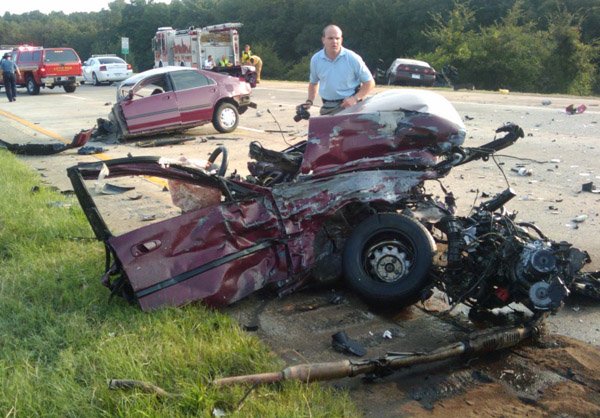
In the pathologic universe suffering is unleashed, lives are enslaved, and hope is shattered.  Ruler of this realm is drug abuse – now killing even more Americans than automobile accidents.

Common to both universes is the prescriber – and the tangent point is OPIOID.

OPIOID picture

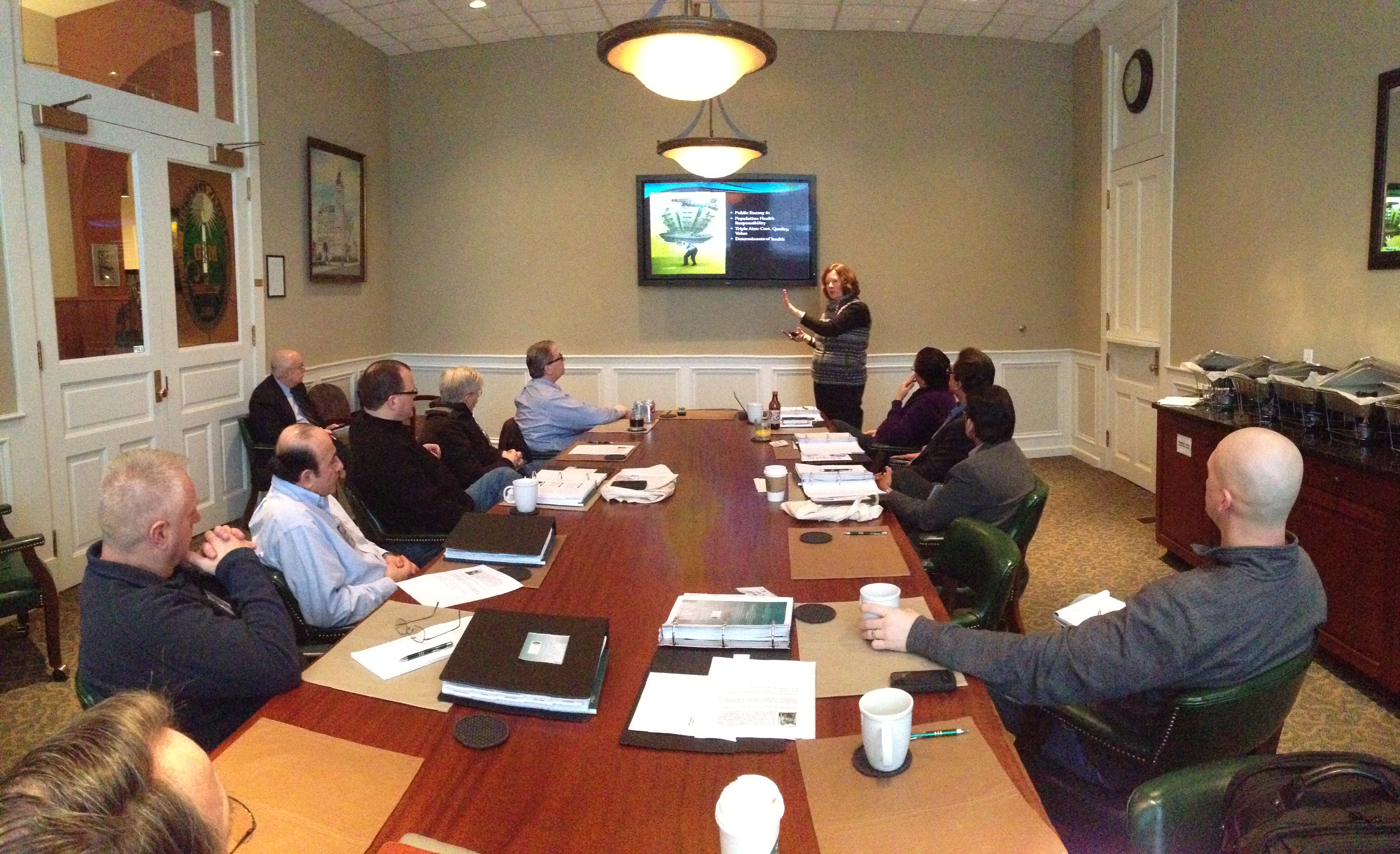
OPIOID means Optimal Prescribing Is Our Inherent Duty – a seminar conceived by physicians, approved by the medical board, and produced by the Greater Louisville Medical Society in association with the University of LouisvilleFebruary 7, 8 & 9.

American Medical Association Board Chair (and Kentuckian) Steven J. Stack, MD says:

Physician education on responsible opioid prescribing is a critical element in addressing the epidemic of prescription drug abuse.

Todd Cook, MD, Chief Medical Officer of St. Elizabeth Physicians (Northern Kentucky) says:

This is one of the times when sending a responsible party proactively may provide a great return on the investment for all of us.

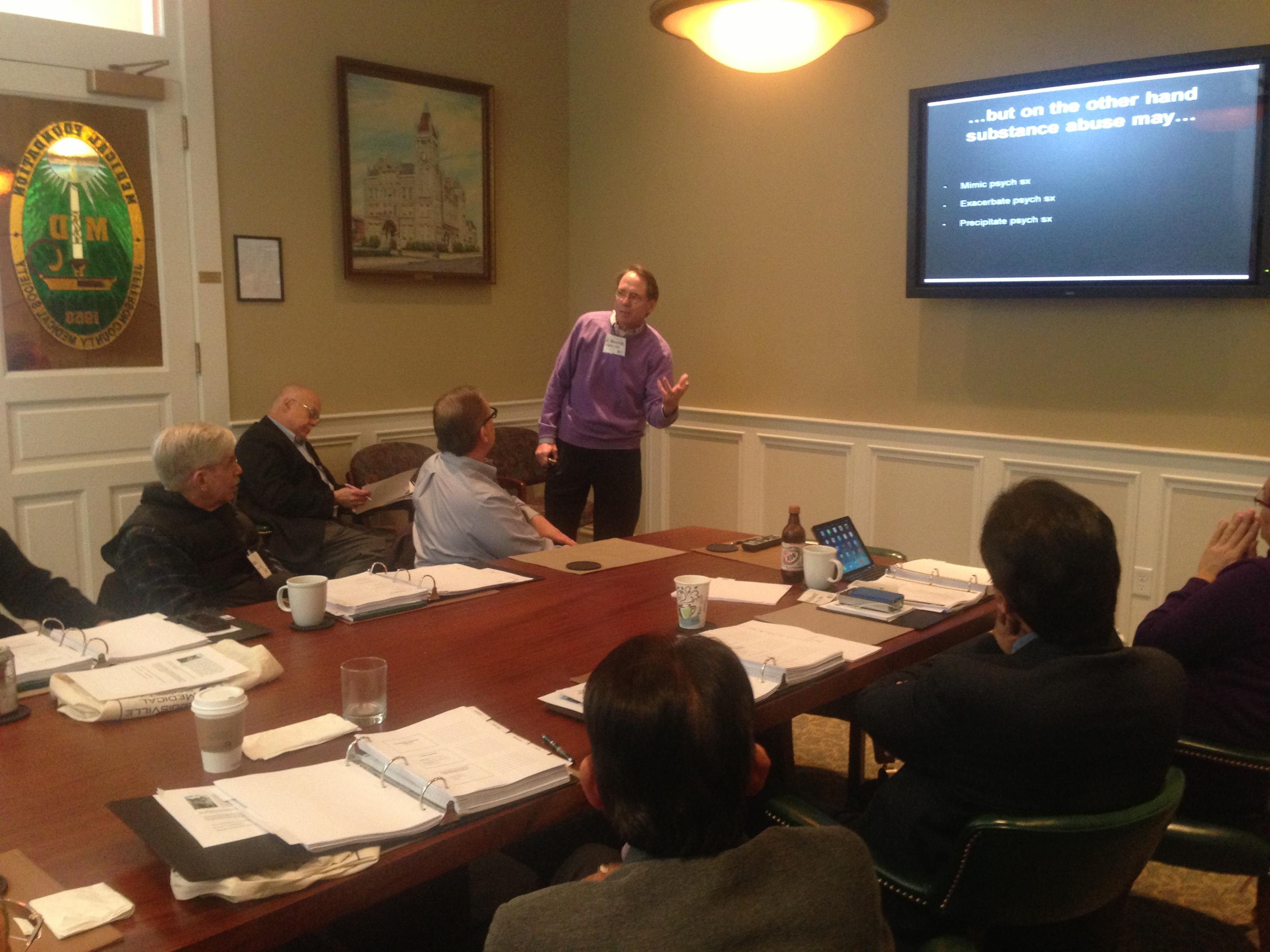
Participants in this two and a half day course will gain insight on how to: (a) best prescribe controlled substances for chronic pain, (b) minimize the risks of drug abuse, and (c) safeguard their communities. These goals are achieved through lectures, coaching sessions, and face-to-face interaction with individuals battling addiction.

louisville skyline

Louisville is a point shared by two states (Kentucky & Indiana) that, like many other states, have recently enacted laws to address prescription drug abuse. When such well-meaning laws give legitimate prescribers the chills, a dose of OPIOID is the right prescription.

Finally, an OPIOID epidemic we can all get behind.

Please make it contagious. Pass along this info, refer someone, or even better – sign up yourself.

OPIOID  February 7 – 9, 2014

Register by

Email: physician.education@glms.org

Or call: 502-736-6354

opioid tab

Or visit online at: https://www.glms.org/Home.aspx (and click on the “OPIOID” tab).


enterprise

Boldly go where no prescriber has gone before.

Take back your universe.

take back universe

OPIOID

James Patrick Murphy, MD, MMM  is President of the Greater Louisville Medical Society.

rx and pen and pad

NIDA & the Facts on Marijuana

The National Institute on Drug Abuse Offers the Facts on Marijuana

NIDA1

From the website:

http://www.drugabuse.gov/publications/drugfacts/marijuana

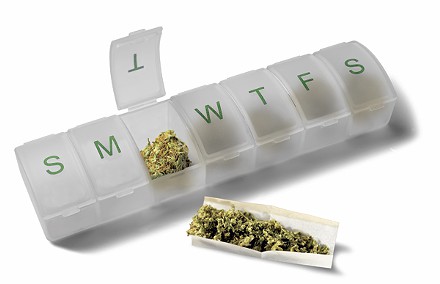
marijuana-smoker1

Marijuana…

Use is rampant:

“Marijuana is the most common illicit drug used in the United States.”

brain damage

Has a powerful effect on the brain:

“Marijuana overactivates the endocannabinoid system, causing the high and other effects that users experience. These include distorted perceptions, impaired coordination, difficulty with thinking and problem solving, and disrupted learning and memory.”

Interferes with successful lives:

“Heavy marijuana users generally report lower life satisfaction, poorer mental and physical health, relationship problems, and less academic and career success.”

Damages the brains of young people:

“Research from different areas is converging on the fact that regular marijuana use by young people can have long-lasting negative impact on the structure and function of their brains.”

Permanently lowers IQ:

“A recent study of marijuana users who began using in adolescence revealed a profound deficit in connections between brain areas responsible for learning and memory. And a large prospective study (following individuals across time) showed that people who began smoking marijuana heavily in their teens lost as much as 8 points in IQ between age 13 and age 38; importantly, the lost cognitive abilities were not restored in those who quit smoking marijuana as adults.”

Causes heart disease:

“Marijuana raises heart rate by 20-100 percent shortly after smoking; this effect can last up to 3 hours. In one study, it was estimated that marijuana users have a 4.8-fold increase in the risk of heart attack in the first hour after smoking the drug.” 

car wreck

Causes car wrecks:

“A recent analysis of data from several studies found that marijuana use more than doubles a driver’s risk of being in an accident.”

Damages the lungs:

“People who smoke marijuana frequently but do not smoke tobacco have more health problems and miss more days of work than nonsmokers, mainly because of respiratory illnesses.”

Causes psychiatric illness:

“A series of large prospective studies also showed a link between marijuana use and later development of psychosis. Associations have also been found between marijuana use and other mental health problems, such as depression, anxiety, suicidal thoughts among adolescents, and personality disturbances.”

fetus

Damages babies:

“Marijuana use during pregnancy is associated with increased risk of neurobehavioral problems in babies. Consequences for the child may include problems with attention, memory, and problem solving.”

Medical-Cannabis

Is NOT a legitimate medicine:

“The FDA requires carefully conducted studies in large numbers of patients (hundreds to thousands) to accurately assess the benefits and risks of a potential medication. To be considered a legitimate medicine, a substance must have well-defined and measureable ingredients that are consistent from one unit (such as a pill or injection) to the next.”

Is definitely addictive:

“Contrary to common belief, marijuana is addictive. Estimates from research suggest that about 9 percent of users become addicted to marijuana; this number increases among those who start young (to about 17 percent, or 1 in 6) and among daily users (to 25-50 percent).”

And is more potent that ever:

“The amount of THC in marijuana samples confiscated by police has been increasing steadily over the past few decades.”

Read more:  http://www.drugabuse.gov/publications/research-reports/marijuana-abuse

drug facts week

Leadership Louisville Comes to The Old Medical School

old school now

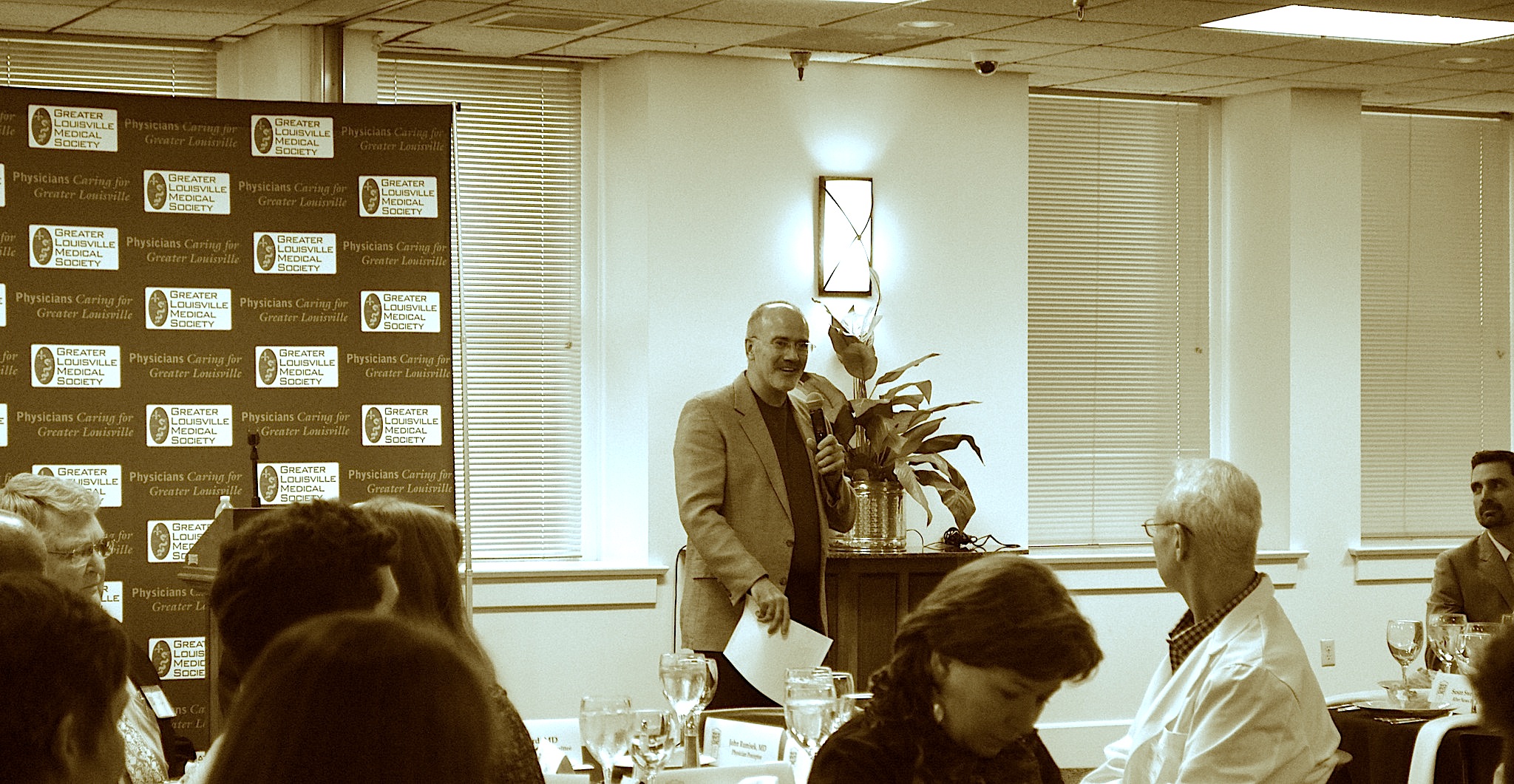
On January 7, 2014 the current Leadership Louisville class met at the Greater Louisville Medical Society Foundation’s “Old Medical School Building.” Here is a portion my welcome…

white coat

There is a lot of history in this room.

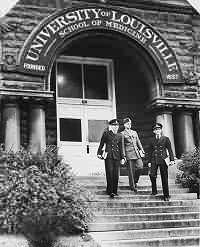
old_military at med school

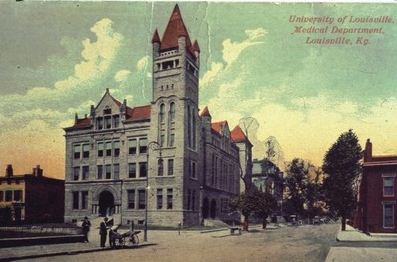
The building was opened as a medical school in 1893 and has withstood The Great Depression, floods, two world wars, and the wrecking ball. It stands as a testament to the passion, resiliency and dedication of the medical profession. Today Leadership Louisville adds to that legacy.

Your director, Aaron Miller, asked me if I was “glad to be standing on this side of the podium” since I was a member of last year’s Leadership Louisville class.

“Sure,” I said. But I also enjoyed my time sitting in front of the podium in 2013. My days with Leadership Louisville were great. It was fantastic hanging out with dynamic people, focusing on topics relevant to the success of our city, making new friends outside of my medical cocoon, and taking a break from my cell phone to engage personally with diversely talented people.

So, why here? Why today?

In the last decade Louisville has shifted from an industrial to a service economy; with an emphasis on health care delivery. In fact, six of Louisville’s ten largest employers are in health care.

The Greater Louisville Medical Society is out in front of this transformation.

Our success is tied to our mission: “…to promote the art and science of medicine; to protect the patient-physician relationship; and to ensure the health of our community.” This journey is comprised of advocacy, education, creativity, mission work, public health, and philanthropy.  Our vehicle is our organization. Our structure is built by bonds of trust.  And our engine is fueled by our passion.

There are many illustrations of our commitment to this mission. These include the cutting-edgePulse of Surgery” program for students at the Louisville Science Center; the world-renowned Healing Place Addiction Recovery program; Supplies Over Seas, sending life-saving medical supplies and equipment to impoverished countries; and the OPIOID safe prescribing initiative, combatting prescription drug abuse. These and other efforts were born of GLMS member collaborations.

There is one program in particular of which you should take note – our “Wear the White Coat” internship program. Every year we team community leaders with physicians from various specialties and allow them to spend a day walking in the shoes of a physician. Later the group reconvenes in the very room you are in now to share. We physicians learn as much from our “interns” as they learn from us. At the end, everyone feels connected, hopeful and inspired.  Each of you will be invited this year.

old school postcard

So, there is a lot of history in this room. But there is a lot of future too.

Thanks for being here and being a part of that future.

 me and business with the residents

James Patrick Murphy, MD, MMM is President of the Greater Louisville Medical Society, Medical Director of Murphy Pain Center, and Assistant Clinical Professor at the University of Louisville School of Medicine. He is an alumnus of the Leadership Louisville Class of 2013. On his application to Leadership Louisville, he answered the question: “What is the best kept secret about Louisville?” with The Greater Louisville Medical Society. If you are reading this, hopefully it is not a secret any longer.
Is This Future Unstoppable?

Recently I sent an email asking people to describe where they see medicine heading in the next ten years. Most responses were pretty bleak: long lines, rationing, impersonal care, managing populations instead of individuals, physicians being absorbed as simply cogs in a large machine.

Is this future unstoppable?

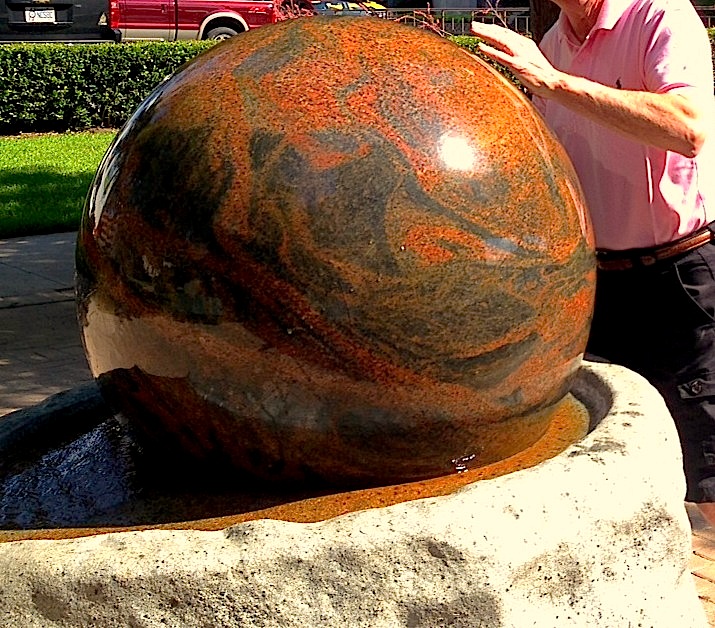
floating granite ball

It reminds me of this huge granite sphere outside the Ripley’s Believe It or Not Museum in Gatlinburg. It’s extremely heavy and is rotating with tremendous momentum on a fountain of water.  There are always people putting their hands on the slick ball of rock trying to spin it faster or slow it down. But the rock is too heavy with too much inertia.  I want you to remember that image. We’ll come back to that.

Dave Logan is a professor at the University of Southern California Marshall School of Business.  He taught me many things but perhaps nothing as practical as this tip on how to answer to any question and seem enlightened. You know the scene; you are standing in that semicircle, pretending to be engaged in the conversation. But your mind is on basketball recruiting, your sixteen year old driving on her new license, what you are going to get your wife for your tenth anniversary next week. And then you suddenly realize the conversation has stopped and everyone is looking at you, because you‘ve just been asked: “And what do you think about that?”

Instead of panicking, Dave said to look off in the distance, take a sip of your drink, a deep breath, look the person right in the eye and say, “It all comes down to trust and communication.”  I’ve actually used that line.  It does work, because it’s true.

Let’s talk about trust.

When my son was three years old, he needed a pretty big surgery. Since I am an anesthesiologist I got to go back to the OR and hold him as he went to sleep. As I placed that mask over his face for him to breathe the gases, as he looked right at me, the trust he had in me was overwhelming. And when he was asleep, and I gave him to the anesthesiologist, Steve Auden, I had entrusted him with what was most precious in my life.

Time and again we are privileged and honored with the opportunity to hold the lives of our patients in our hands. And no matter what you do in this profession, there is always a doctor-patient relationship.  It is based on trust, it is sacred, it is worth fighting for, and it is in jeopardy unless we unite and lead.

Physician leadership is powerful.  And our leadership is not just needed in the boardrooms of the private sector. It is needed were our laws are made.  I am not here to debate the merits of things like Affordable Care Act, Kentucky’s House Bill One, the Optometrist Bill, and others.  I will tell you that I am not comfortable with the way these laws affecting health care are passed.  Are you?

We need to be there to defend the rights of our patients – in the boardrooms, in the executive suites, in Frankfort, in Washington. Like my son, trusting me with that anesthesia mask over his face, our patients, our loved ones, our neighbors, our city, our state, our country, our world trusts us.  They count on us to be there.  They assume we are there.  And we can’t let them down.

The Greater Louisville Medical Society offers leadership development opportunities that can help you feel comfortable in your own skin when you might be outside your comfort zone. My experience is a prime example of how this works. In 2002, Dr. Fred Williams asked me to take over the medical student mentoring program. I enjoyed it. This led to my being asked to run for secretary.  Later, Dr. Rob Zaring arranged a leadership class at GLMS with the American College of Physician Executives, which got me interested in their other courses. Then on this past Friday I graduated from USC with a Masters degree in Medical Management.  And today I begin the journey as your president.

So how in the world do we change things?

We have to be united and effective.

Another valuable lesson from Professor Logan is from his book titled Tribal Leadership. In it he talks about the evolution of effective organizations or “tribes.” A level one tribe would wear t-shirts that say, “Life sucks.” They are like cave men or prisoners.  A level two tribe has t-shirts that say, “My life sucks.” Picture the DMV on a bad day.  A level three tribe says, “I’m great and you’re not”.  This is how too many professional organizations operate. The focus is on getting ahead, awards, and accolades. It is very competitive.  The jump from “I am great” to “WE are great” is huge. This is a level four tribe. Level four tribes share common values and have focus. For these tribes the sky is the limit.

When I was accepted into the pain fellowship program at the Mayo Clinic, I was at first intimidated. Did I measure up? Was I good enough? How would I stand out?  One day, during my first month, Dr. Ronald MacKenzie stopped me in the hall to see how things were going. After a little small talk, he asked, “Do you know what makes this place great?”  I expected him to quiz me about the many discoveries and Nobel prizes. And then he pointed over my shoulder to a janitor sweeping in the hallway. “It’s because that person, and everyone else who works here, believes what they do is important to our mission.”  That’s level four culture – the secret to the Mayo Clinic. It’s that simple.

Remember that huge granite ball spinning in front of the Ripley’s Museum? A couple of years ago I was standing across the street watching this little kid who was determined to stop that rock from spinning. He had both hands on the rock but nothing appeared to be happening. Eventually some other kids thought it looked like fun and started pushing the sphere as well. Nothing changed.  Eventually some teenagers came over and joined in.   Now there were kids on all sides of the rock. I could tell, even from across the street, that the spinning rock was beginning to slow down. Until it happened! The rock quit rotating, stopped, and then began moving in the other direction.

We have all that we need: ability, passion, work ethic, and trust. But we must be nimble, be flexible, able to improvise. We MUST BE UNITED. We can choose not to accept the future as inevitable. We can put our hands on that huge granite ball and start turning it back in the other direction.

The final passage of Rudyard Kipling’s poem “If” contains perhaps my favorite line of poetry:

If you can fill the unforgiving minute with 60 seconds worth of distance run,                                      yours is the Earth and everything that’s in it.

That unforgiving minute is now. It all comes down to trust and communication. We know we have the trust. We MUST communicate. We must unite. Here are the actions you can do today which will help unite us:

Number 1: Download the GLMS smartphone app now (members only).

Number 2: Follow me this year on TWITTER (@jamespmurphymd). If you don’t know, ask any teenager and they’ll walk you through it.

Number 3: Because communication is a two-way street, email me at president@glms.org and tell me what you want our future to look like.

If all else fails, call me (502-589-2001).

The Greater Louisville Medical Society is our organization, our tribe, our road to a place where medicine is both science and art, where our community enjoys wellness, and the sacred bond between us and our patients is secure.

Imagine that future. Let’s go there together. Let’s get connected. Let’s unite. Let’s start the journey today.

Dr M speaking

Note: This article is the text draft of an address I made to the members of the Greater Louisville Medical Society on May 19, 2013. It was first published in the July 2013 issue of Louisville Medicine and the speech can be viewed online at the GLMS Vimeo Channel.

A new year… A new name

hugs

If you searched the Internet in 2013 for “the painful truth,”  you found a lot of it. However, you probably did not find my The Painful Truth website.

To be fair, my posts are hopefully more truthful than painful.

G.B.Y.Logos.1

A new year…  a new name.

evoice

In my October 2013 President’s eVoice, the phrase “confluential truth” was coined:

Imagine your message as a sphere with the purest and most intense truth radiating from its center. The recipient interprets your message and develops his or her own truth-sphere. Like the overlap in a Venn diagram, the effectiveness of communication is defined by the degree to which these unique spheres share the same truth. This overlap is the confluential truth.

Search and I doubt you will find “confluential” and “truth” joined in a phrase – probably because “confluential” is not even in the dictionary.

Thus, there is only one definition for “confluential truth” and now only one website using the phrase as its title.

My hope is that when we look for confluential truth, we find it.

Thanks for searching with me.

journey for truth

Greater Louisville Medical Society President’s eVoice, Oct 2013

http://archive.constantcontact.com/fs105/1101098564175/archive/1115193404761.html

a white coat

caring hands copy 2

a white coat
I symbolize
the goals you hope
to realize

a white coat
my color’s pure
to show your values
will endure

a white coat
I will glisten
if you can try
to mostly listen

a white coat
in my presence
comfort, care and
convalescence

a white coat
wear this fashion
only if
you share my passion

a white coat
for my profession
put patients first
make no concession

a white coat
answer alarm
with answers that
first do no harm

a white coat
hear the calling
wear me when
you lift the falling

a white coat
my fabric must
be nothing but
a weave of trust

a white coat
ability
tailored with
humility

a white coat
a solemn oath
a way of life
or maybe both

a white coat
I’m going to
forever be
a part of you


James Patrick Murphy, MD
July 28, 2013

white coat standing

On July 28, 2013, the University of Louisville welcomed the Class of 2017 medical students. As an annual contribution to each new generation of emerging physicians, the Greater Louisville Medical Society purchases the students’ first white coat. It was my honor to congratulate the students on behalf of the Greater Louisville Medical Society. I composed the poem, “a white coat,” for the occasion and read it aloud for the first time at the White Coat Ceremony (Louisville Medicine, Sept 2013, pp. 20-22).

https://www.glms.org/Content/User/Documents/Publications/LouisvilleMedicineSeptember2013.pdf