
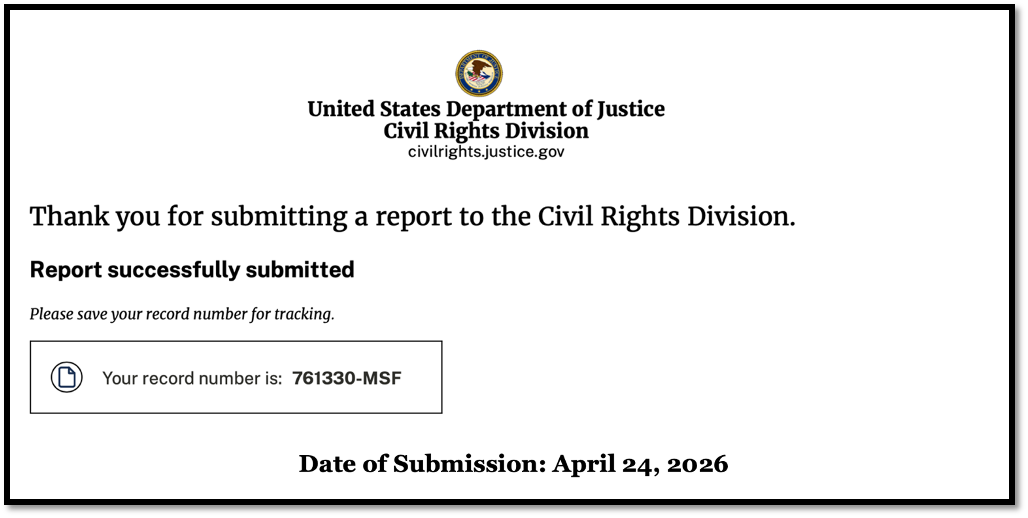
I am a practicing physician licensed in Kentucky.
Kentucky Board of Medical Licensure regulation 201 KAR 9:270 governs treatment of opioid use disorder (OUD), a condition that may qualify as a disability under the Americans with Disabilities Act (ADA). The regulation may have a discriminatory effect on individuals with OUD by replacing individualized clinical judgment with blanket mandates that restrict access to buprenorphine, one of two medications for OUD shown to reduce mortality by over 50%.
201 KAR 9:270 departs from accepted standards by imposing non-individualized requirements across multiple aspects of care, including
treatment initiation,
setting,
dosing,
formulation,
dispensing intervals,
co-prescribed medications,
drug and laboratory testing,
counseling and behavioral requirements,
consultations,
documentation, and
responses to perceived noncompliance.
These requirements delay, disrupt, or block care and impose disproportionate burdens on individuals with OUD, particularly those with transportation issues, housing instability, employment disruption, or childcare responsibilities.
Documented barriers include
disruption of care for patients with significant physical disabilities;
delays or denials for patients receiving other medically necessary medications;
delayed initiation or continuation due to mandatory specialist consultations;
avoidance of treatment due to perceived regulatory risk;
treatment interruption due to transportation, housing, or cost barriers; and
inability to initiate buprenorphine in emergency, acute care, or unhoused settings due to regulatory or institutional constraints.
The regulatory burden also deters physicians from providing addiction treatment in Kentucky and reduces clinician participation statewide.
The 2023 elimination of the federal X-waiver requirement under the Controlled Substances Act, together with the 2024 Federation of State Medical Boards’ statement affirming access to evidence-based treatment for opioid use disorder, further undermines the justification for the restrictive requirements imposed under 201 KAR 9:270, which are not aligned with prevailing national standards of care. These restrictions appear unnecessary to the safe regulation of buprenorphine given national standards supporting individualized clinical judgment in MOUD treatment.
During a recent state regulatory review, the American Medical Association, American Society of Addiction Medicine, Kentucky Society of Addiction Medicine, and American Psychiatric Association advised that failure to sufficiently amend 201 KAR 9:270 could undermine Kentucky’s response to the opioid crisis.
The Legal Action Center and Kentucky Equal Justice Center further stated the regulation may have a discriminatory effect on individuals with OUD by limiting access to evidence-based treatment based on stereotypes and assumptions rather than clinical justification, and may interfere with providers’ ability to deliver care consistent with ADA requirements.
A September 2022 Kentucky Opioid Response Effort (KORE) flier reported that buprenorphine reduces illicit opioid use and fatal overdose by over 50%. However, only approximately 20% of the estimated 150,000+ Kentuckians with OUD receive MOUD. Given this prevalence, 201 KAR 9:270 affects a substantial population that may be protected under the ADA. By conditioning access to buprenorphine on blanket regulatory requirements rather than individualized clinical judgment, the regulation creates statewide barriers to medically necessary care across settings and regions.
I respectfully request that the Department investigate 201 KAR 9:270 and consider enforcement action to remedy potential ADA violations. I will also submit supporting documentation by email.

