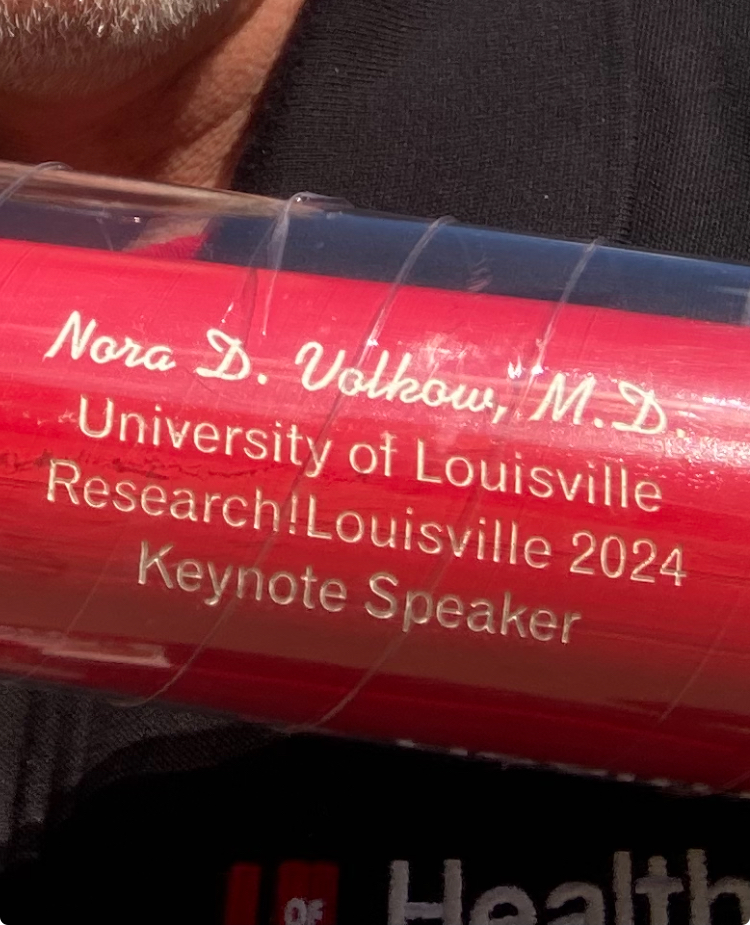
On September 20, 2024, NIDA Director, Dr. Nora Volkow, gave the keynote address at UofL’s Research!Louisville awards ceremony. Here’s some of what our nation’s top addiction researcher had to say…
The opioid crisis started more than two decades ago, and we have not solved it.
It has caused more people dying than COVID itself.
The people that have died from the opioid crisis, all of them could have been prevented. Every single one of them could have been prevented.
We know how to prevent an overdose.
Overdoses are happening throughout all of the ages, throughout the whole life span.
The rise in overdose crisis…they went up to 117,000 in one year, those numbers were driven predominantly by fentanyl.
We are seeing the decreases in fentanyl overdoses…the latest numbers are twelve percent (decrease).
Pain medications started the overdose crisis. It basically stabilized and it’s going down.
Similarly, heroin basically is accounting for a very very limited amount of overdoses. And this reflects the fact that the drug dealers actually don’t see any benefit for them, incentive for them, selling heroin. They sell fentanyl.
What has created the turn down of the curve (in overdoses)?
This is what’s likely to be accounting for it… In the field of opioid use disorder, which is different from actually any other field in the substance use disorders, we have extremely effective medications.
To start with, we have an incredible drug, naloxone. Naloxone is an opioid receptor antagonist.
When you give it (naloxone) to someone that overdoses, you reverse that overdose if they overdosed with an opioid…Whether it is fentanyl or heroin or an opioid medication, you need to give the naloxone, for it to be effective, rapidly and at the correct dose.
We are very lucky to have naloxone.
And then we have three different classes of medications, all targeting the opioid receptor system, but with different pharmacological effects, that are very effective in treating opioid use disorders.
Methadone…It has been in existence for, I think, sixty years.
Buprenorphine was approved at the beginning of the 2000s.
And then we have naltrexone, that was approved for opioid use disorder more recently.
Methadone – full agonist at the opioid receptor.
Buprenorphine – partial agonist.
These medications (methadone and buprenorphine) are effective in reducing drug taking, in reducing craving, in reducing withdrawal.
Except for naltrexone. Naltrexone does not, per se, reduce withdrawal, it reduces craving, and it improves mood.
They are very effective in preventing overdose.
So the challenge is, you say, if you have these medications that are being so effective, why are we having so many people dying of overdoses? And the answer is because we do have the medications, but they are not being given to those that need them.
Why are they not being used?
There are multiple issues.
A key one is the stigma and discrimination against addiction.
The healthcare system providers don’t want to treat people with a substance use disorder.
We have generated a specialized system for the treating of substance use disorders that is independent of the healthcare system. Which is a totally lost opportunity.
Across the continuum, how can we improve access to these medications for people that need them?
There’s no evidence, to my knowledge, that any of the harm reduction practices exacerbate or increase the rate of overdose. I don’t know of any evidence. On the other hand, there’s ample evidence to show that harm reduction practices significantly reduces mortality.
There was so much expectation that the removal of the (DEA) waiver would increase the number of practitioners prescribing buprenorphine, but it hasn’t happened. What the research has shown is that the number of prescribers giving buprenorphine has not increased very much…Restrictive practices don’t help…The issue to me, this is discrimination. There is discrimination also in the way that we set up the reimbursement of taking care of someone with a very complex and potentially fatal disease.
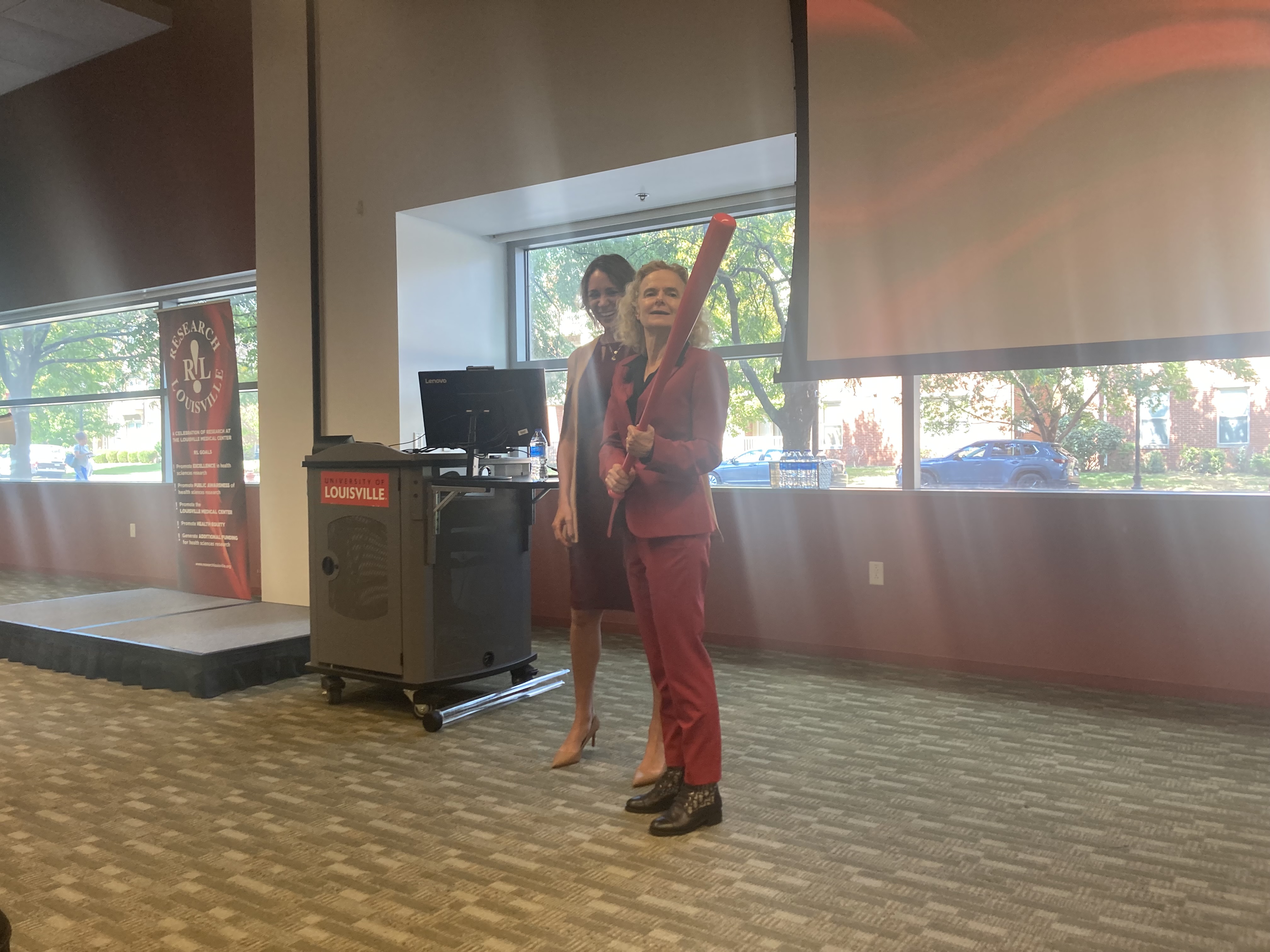
Thank you, Dr. Volkow. You knocked it out of the park!
And this statement by our NIDA Director bears repeating, because it is a call to action: “If you have these medication that are being so effective, why are we having so many people dying of overdoses? And the answer is because we do have the medications, but they are not being given to those that need them.“
 Confluential Truth