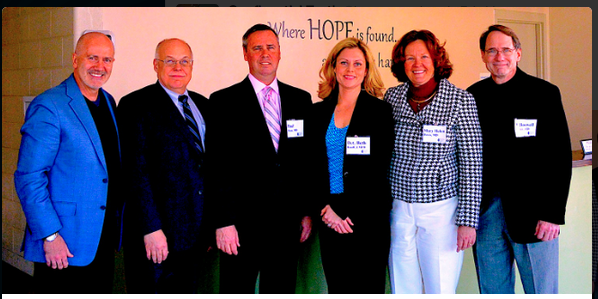
Art Imitates Life Imitates Art

celebration invite screen

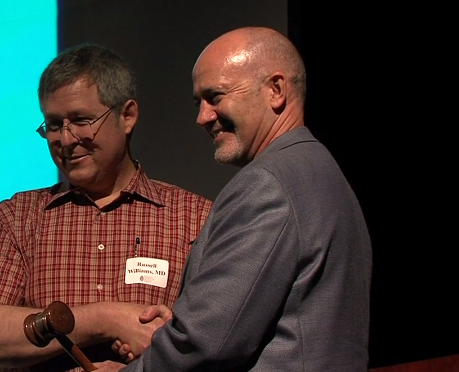
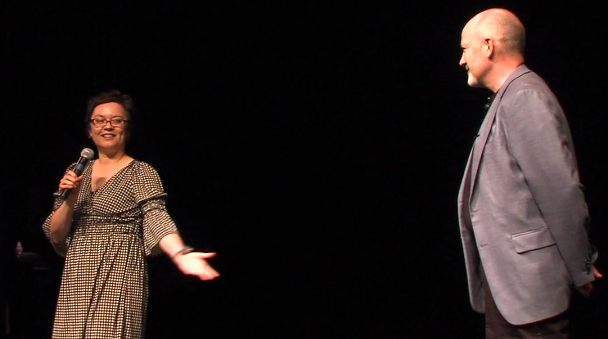
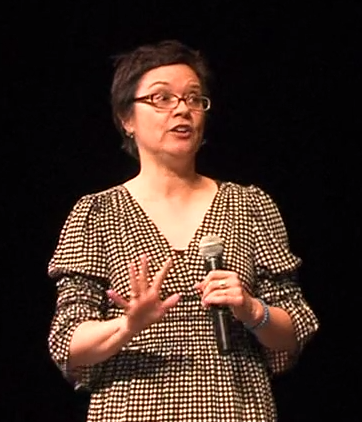
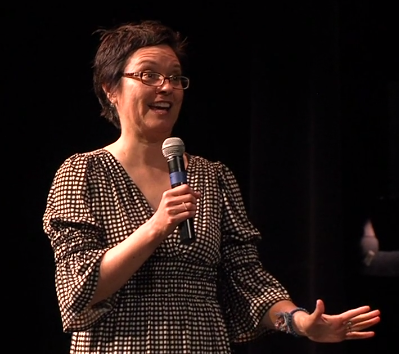
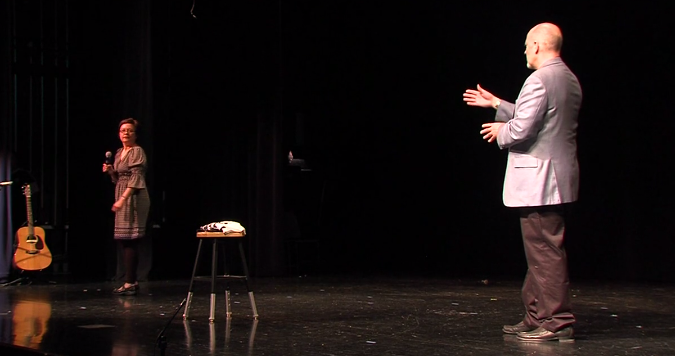
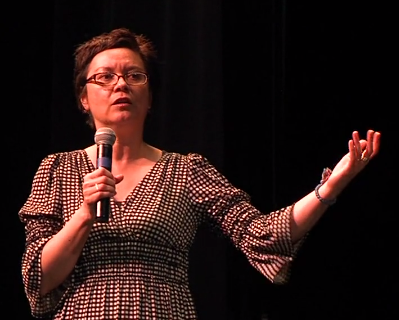
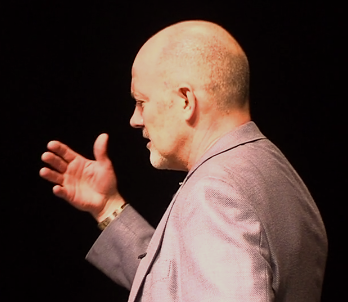
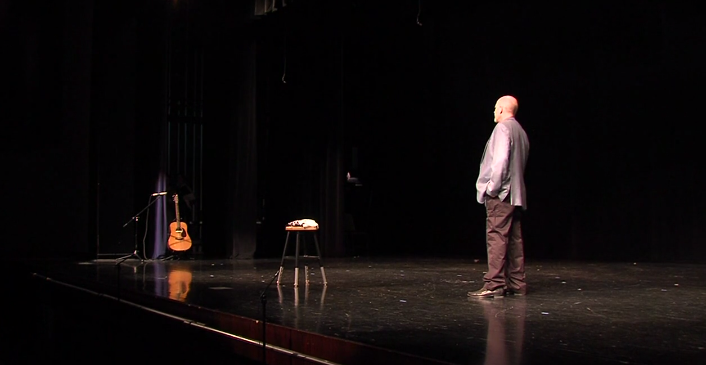
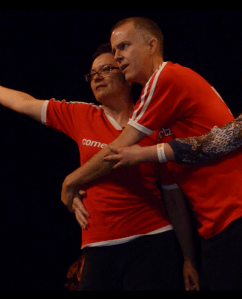
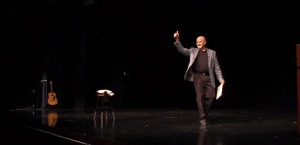
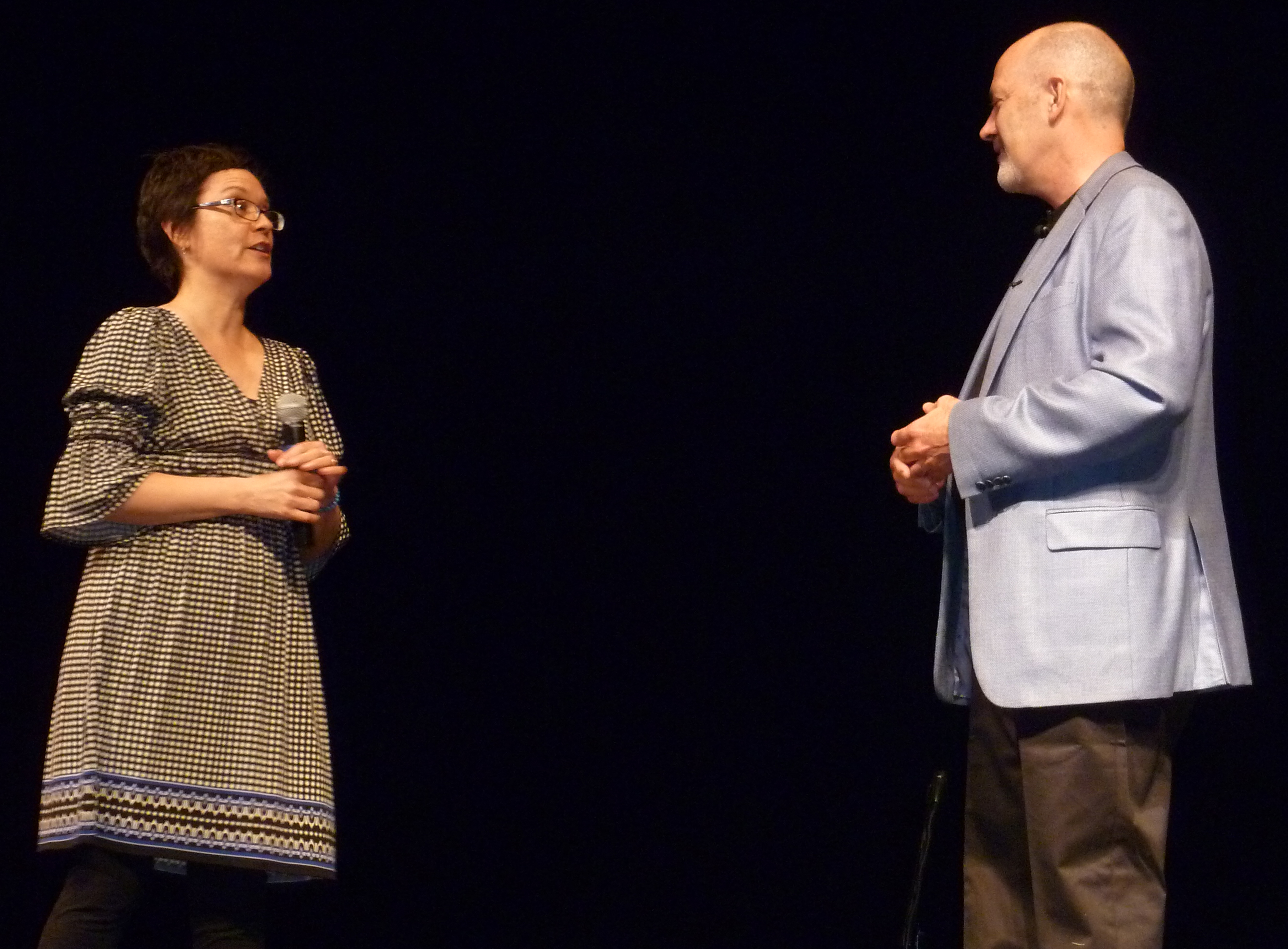
On May 19, 2013 the Greater Louisville Medical Society held its annual Presidents’ Celebration at the Kentucky Country Day School Performing Arts Center in Louisville, Kentucky. On that day I was honored by inauguration as president of the medical society. Early in my address to those in attendance I was abruptly interrupted by a “heckler” in the audience. Here is a transcript of that encounter…


fraud title pose


Fraud


A play in one act by James Patrick Murphy, M.D.

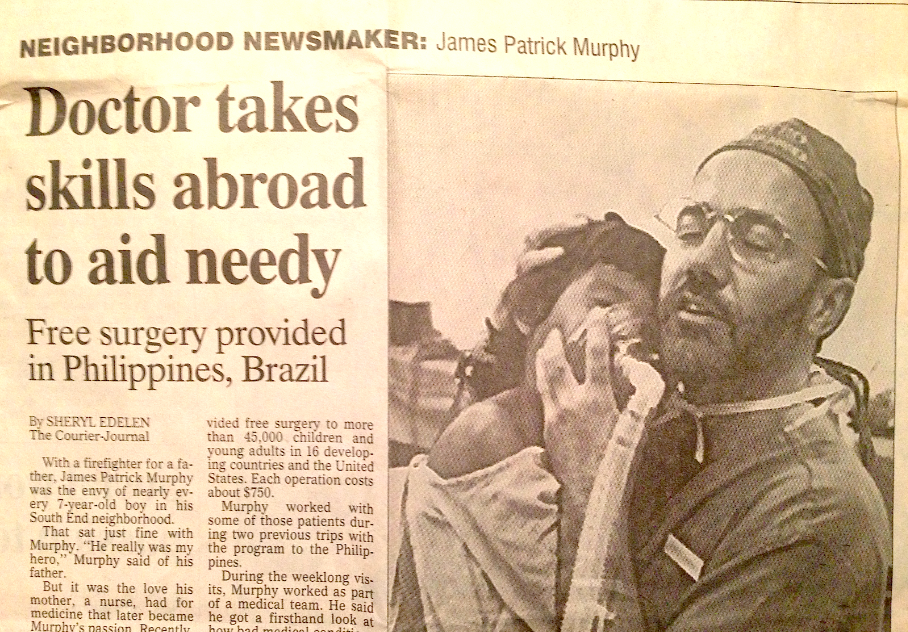
gettng the gavel

Characters:

Doctor Murphy (DOCTOR) – A physician who has just been given the gavel and installed as the next president of his medical society.

Patient (PATIENT) – A female audience member.

Voices in unison (VOICES) – A group of people off stage who are never seen, but say the last line in unison.

*

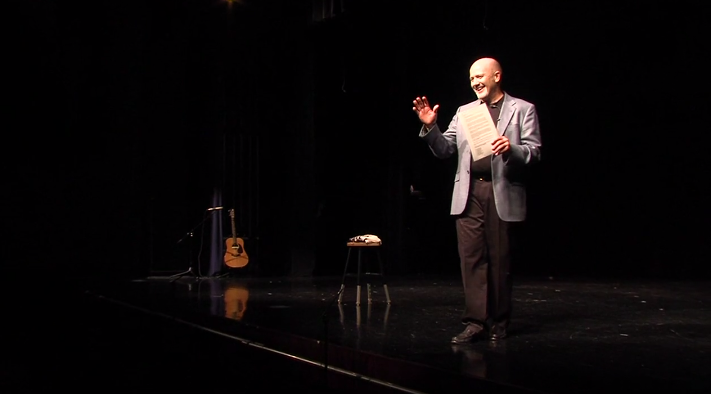
The lights come up to reveal DOCTOR on the stage, addressing the audience. DOCTOR’s first line is somewhere in the middle of his acceptance speech.

doctor address  crowd 1

                                                  DOCTOR

I know there are actually some of my patients out here too. And I won’t ask anybody to raise their hand, because I understand the confidentiality but thank you…

(DOCTOR is interrupted by a voice from the darkened audience)


                                                  PATIENT

Thank YOU Doctor Murphy.

(Audience applauds)

silvie full in audience 2


                                                  DOCTOR

(Peering out into the audience, sheepishly)

Who was that?


                                                  PATIENT

(Raising hand)

Me.


                                                  DOCTOR

Do I…?

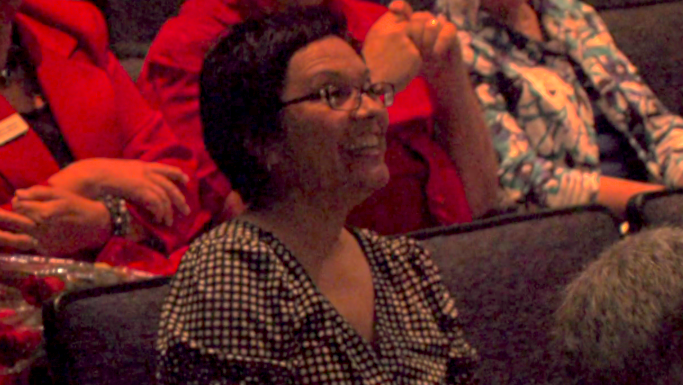
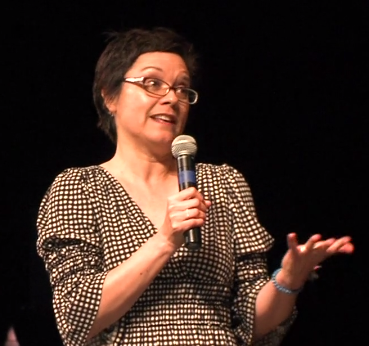
audience silvie 2

                                                  PATIENT

Yeah, you may not remember me, but I sure remember you. Thank you.

(DOCTOR is smiling, but is clearly rattled by this interruption)


                                                  DOCTOR

Thank you. Uh… Just a second. Can I talk to you?

(PATIENT gets up from audience and meets DOCTOR at the corner of the stage. After brief hushed conversation, DOCTOR invites PATIENT up onto the stage)


                                                  DOCTOR

(To audience)

This is kind of unusual, but she’s going to say something that really fits into what I’m going to say later on. This is kind of amazing.

first patient 3

                                                  PATIENT

(To audience, holding a microphone)

Well, I was Doctor Murphy’s first patient, ever. I was only eight years old. And he was on his… (Turns to address DOCTOR) You were on your first clinical rounds, your rotation in med school. And you came every morning and looked in on me and checked my pulse and my temperature and my lungs and got me ready for my open-heart surgery. (To audience) I had open-heart surgery. I was so little and so scared.

going to be okay 4

(To DOCTOR) And you just let me know that everything was going to be OK, that I was going to do great. And I did! And I swore I would never forget you. And I haven’t.


                                                  DOCTOR

Well, thank you so much. That’s great. (To audience) Isn’t that great? I remember that. Thank you.

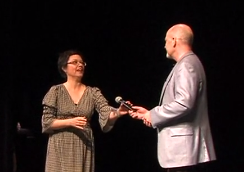
(DOCTOR reaches to take the microphone from PATIENT, but at the last moment PATIENT pulls away and continues speaking into the microphone)

microphone 5

                                                  PATIENT

Thank you and I didn’t…I…I…You rotated away after that.


                                                  DOCTOR

Yeah, I know. I rotated in medical school.

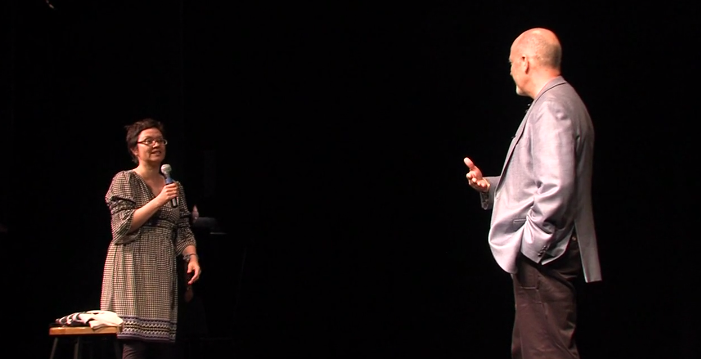
that's OK navy 7


                                                  PATIENT

But that’s OK. You don’t have to explain anything, because I understood. I know how those things go. I trusted you and I was grateful for all that you did for me.

dont have to explain 6

                                                  DOCTOR

Thank you.

(DOCTOR attempts to applaud, but is cut off by PATIENT)


                                                  PATIENT

(Backing away a little more)

Oh and I remember I saw you at that clinic in the navy hospital in San Diego. Yeah, I was so nervous and you had some really bad news to give me, but you set me up with a specialist. But then after that I never saw you. You left the hospital after that.


                                                  DOCTOR

Well, I was in the navy. I had to go out on the ship.


                                                  PATIENT

(Backing away a little more)

Yeah, I understand. You don’t have to say anything. You don’t have to explain. I completely understand. I was grateful for all that you did for me. I trusted you.

(Backing away)

And then I remember you were my anesthesiologist before my surgery. I was waiting for my surgery. And you were a little bit under the gun, because the OR was ready and the surgeon was ready and standing by. And right before we were going to leave to go in I asked if I could pray with my pastor. And you stopped everything and let that happen.

pray 8

                                                  DOCTOR

Yeah, I remember that. And I hope you don’t think that you were inconveniencing me at that time.


                                                  PATIENT

(Backing even farther away)

Oh no no no. You don’t have to say anything. I understand. I trusted you. And I was grateful for all that you did for me.

And then I had to have all those pain medications because I had five back surgeries. And the insurance company had some doctor I’d never seen before look at my records and not at me. And you did write a letter after they said that the insurance shouldn’t have to pay for my medications. You wrote a letter but they still denied my medicine.

wrote me a letter 9

                                                  DOCTOR

I know. I was going to call, but, you know, the preauthorization takes so much time. And I’m so busy. And I have to see a lot of patients. I have to pay my bills.


                                                  PATIENT

(Backing still farther away)

Yeah, I understand. You don’t have to say anything. I trusted you. I was grateful for all that you did for me.

start all over 10

And then I got that letter. I got that letter that started off, “Dear Valued Customer.” And then went on to say that I was going to have to get another doctor because you were not in my plan. You’d been cut out of my plan. Or because you’d started working for this big health care corporation and they didn’t accept my insurance. So I had to go find someone else and start all over.


explaining 10.5

                                                  DOCTOR

Well you know there are so many regulations now. There’s so much. There’s laws. And there’s the EMR. I have to document so much stuff. I can’t do it on my own. I have an employer now. I’m part of a corporation. I have corporate policies. (PATIENT is now exiting the stage) You know, I want to be your doctor. I want to be the leader of the health care team.

not okay 11


                                                  PATIENT

(No longer on stage, now only a voice on the PA system)

I don’t think that’s OK. I really don’t like your explanation. I’m not sure I trust you anymore. I am not grateful to you. I’m not a person anymore.


                                                  VOICES

(Off stage)

I am a population.

population 12


                                                     END


sad at end


*

Postscript: Silvie Zamora played the role of PATIENT. Silvie is an incredibly talented actress and dear friend. She and her equally talented husband, Phil Ward (also a lifelong dear friend), were vital to this little one-act’s artistic value and true message.

 phil and silvie

When you watch the video, keep in mind this was never rehearsed on stage. Silvie is the queen of improvisation!

Initially, the audience was not aware that this was a ruse. From my vantage point on stage it was fun to sense each individual gradually becoming aware that they were taking part in a group theatrical event.

“FRAUD” was written to be a wake up call for all physicians.

And, by the way, the events depicted in the play actually happened.
…and this just scratches the surface.

thumbs up

*

*

*


Here’s the link to the “Fraud” video:

http://vimeo.com/67679697


*


A love letter to a liberal arts education

The_columns_at_Westminster_College 

At Westminster College my intellect was challenged, my imagination was freed, and my passions were set ablaze. Here I made lifelong friendships that have sustained me. Here I thrived in the glow of mentors who sparked confidence and convictions.

–       This is my quote as it appeared in the Westminster College Alumni Awards Convocation program, April 26, 2014. It’s only a portion of what I submitted and does not tell the whole story.


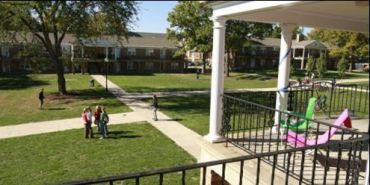
walking on the grass at westminster

April 26, 2014 was a typical springtime Missouri morning – cool, crisp, sunny, and I was my typical running late self. Not to worry, a shortcut across the lawn and I should make it to the ceremony with at least thirty seconds to spare. Just behind me, I noticed a smartly attired lady who had chosen the same trajectory as me. Assuming we were going to the same place, I tried to be cute:

“Back when I went to this school they would fine you for cutting across the grass.”

She was cuter:

“Don’t worry. I know someone.”

That someone was her husband and Westminster College President, Dr. George B. Forsythe. Jane and I were going to be fine. She had her connections and I had a half-minute cushion. It was just like old times.

church inside

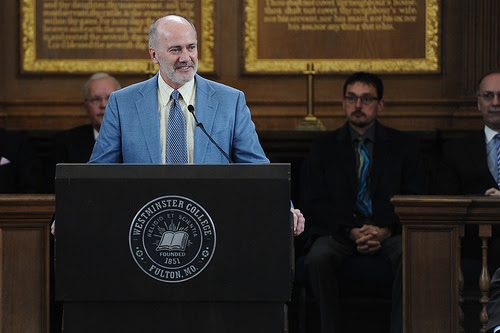
Twenty minutes later, standing at the business end of the center aisle in that iconic Christopher Wren church, came my singular three-minute opportunity to channel my inner Winston Churchill and somehow explain what this Lifetime Achievement Award means to me. As best I can remember, this is what this English major said…

*

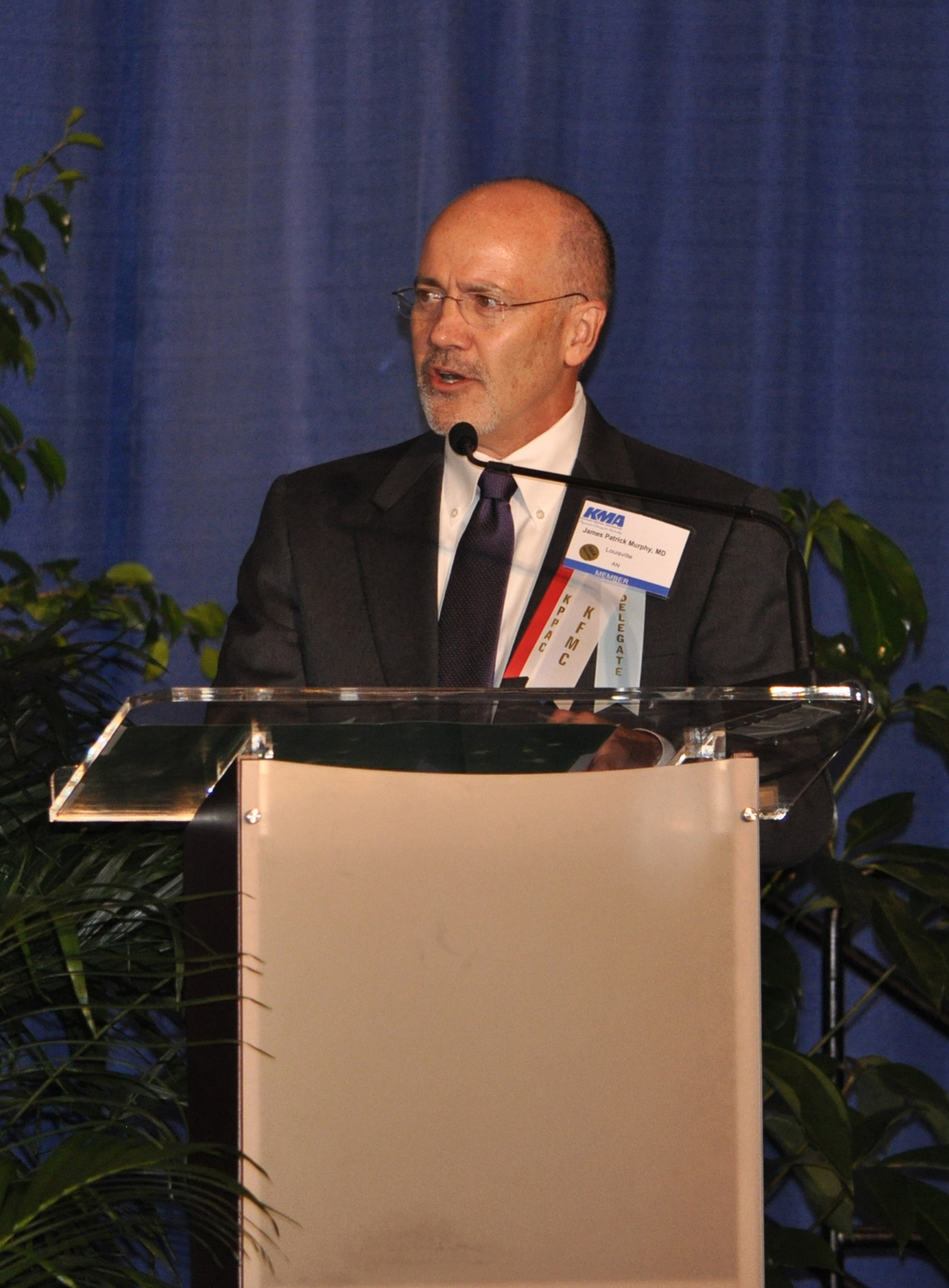
at podium smiling

President Forsythe, distinguished guests, faculty, friends, students, and fellow award recipients, I am deeply honored by this recognition. If I am truly the person you described in that gracious introduction, then Westminster College deserves much credit.

I want to first thank my wife, Adele, and my son, Kellen, who are here to in share this experience. You didn’t know me while I was at Westminster, but this place helped make me the person you now know.

And I must thank my mom and dad for the foresight, vision, sacrifice and love it took to provide me this opportunity. My dad was a city fireman and my mom worked her way from our school lunchroom to registered nurse. I was their first-born and the first in our family to go to a four-year college. Sending me away was tough on them economically and emotionally. I can clearly remember Mom’s tearful goodbye as they drove away from the steps of Marquess Hall. Dad said Mom cried all the way to St. Louis. But they were very proud to send their son to Westminster College. And they would have loved being here today, but due to health issues couldn’t make the trip. This is their award too.

I also want to mention and thank the late Charles King McClure, a successful Louisville entrepreneur, who lived in my dad’s fire district. Mr. McClure was a Westminster alum and trustee. When he learned of my dad’s bright son, he convinced us to look at Westminster. But it really didn’t take much convincing. After one visit I knew this was the place for me.

There’s something about this small midwestern liberal arts college. I still can’t put my finger on it, but it might be akin to Kentucky’s unique nurturing of horses.

kentucky horses

The Bluegrass State has gently rolling hills for building strong muscles, nutritious grass for grazing, and abundant limestone in the soil to provide calcium for strong bones. There foals become colts, then competitors, then champions. Likewise, Westminster provides the essential ingredients to nurture thoroughbred students who become champions.

route z screenshot

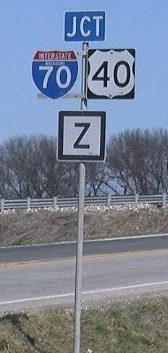
Driving to Fulton this Thursday I longingly scanned the horizon for the exit onto route Z; my first opportunity to get off I-70 and into the countryside. Like the college, there’s something about the locale – an historic small town in central Missouri.

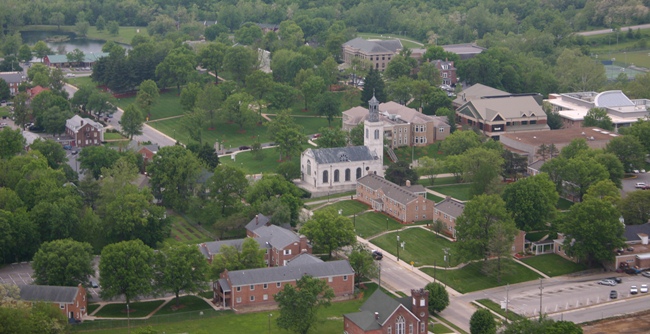
fulton the setting

This idyllic environment lends itself perfectly as the setting for a coming-of-age story.

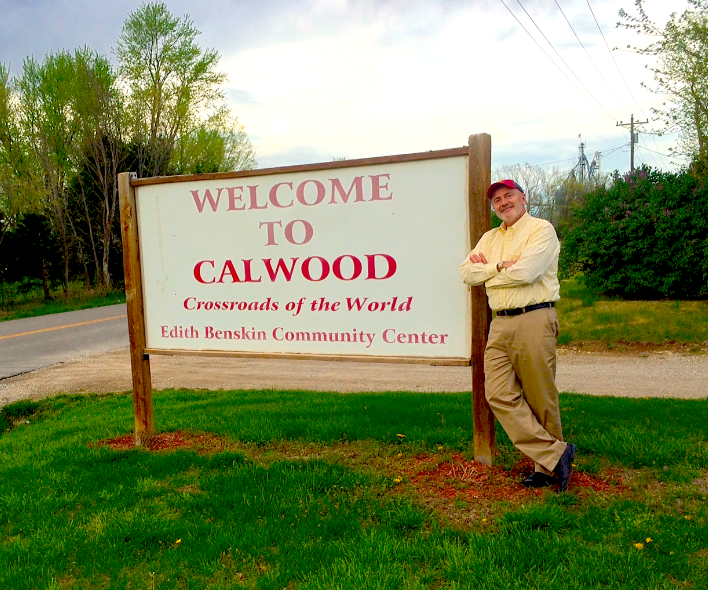
Not to diminish the importance of academics, but driving on route Z through Calwood, the self-proclaimed “Crossroads of the World”…

welcome to calwood screen shot

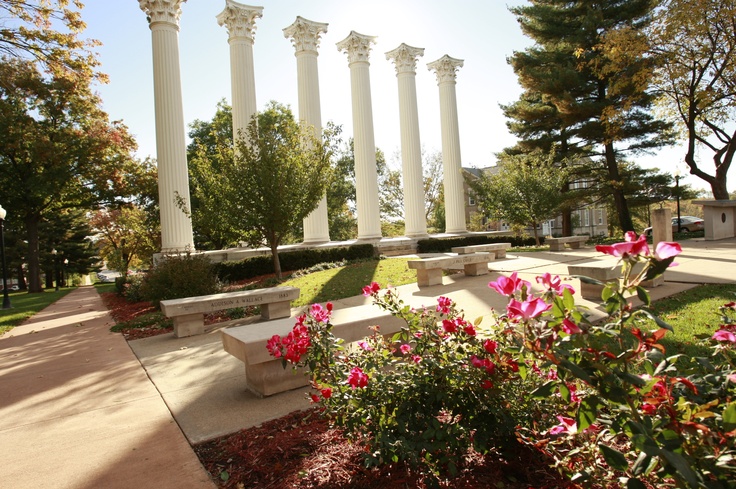
…past farms, over creeks, to finally arrive in Fulton, my only thoughts were of my classmates, friends, professors, and fraternity brothers. Our four-year odyssey began trudging uphill through the Westminster columns as freshmen and ended downhill, as graduates, through those same columns on a misty day in May of ’81.

westminster columns sunny

These relationships were forged in a pivotal time – riding the last waves of adolescence; on the cusp of adulthood – and wove the calico fabric of who I would become.

At Westminster, “who I would become” seemed always to be in a state of flux. But contrary to popular belief, my decision to apply to medical school was not a last minute afterthought. I came to Westminster with that goal in mind. The problem was that I loved poetry more than chemistry. However, my faculty mentors – some of whom have honored me with their presence here today – advised me I could major in my first love and still take advantage of the breadth of educational opportunities encompassed by a liberal arts curriculum. I always felt a bit like their little experiment. But the experiment worked – and their Westminster English major got early acceptance to medical school.

I may not have been sure of my destination, but I never doubted the vital role Westminster played in my journey.

Our Town - filmstill

In Thornton Wilder’s Our Town, Emily asks, “Do any human beings ever realize life while they live it — every, every minute?”

Well, Emily, during my four years at Westminster I tried to realize it. And I have proof.

the med school ap

A few weeks ago, while going through some old boxes I came across a copy of my hand-typed medical school application from the summer of 1980. Reading the personal statement section took me back to that late night when, alone in my parents’ basement, my appreciation of my college experience took center stage:

I believe well roundedness is one of the most essential characteristics one can possess. This is one reason why I chose to attend a small liberal arts college. I am so thankful that I have been blessed with the opportunity to attend such an institution as Westminster College. There I have been able to assume leadership roles in honorary, scholastic, administrative, artistic, and social societies. I have experienced music, theatre, dance, creative writing, athletics, as well as the classroom. Also the year and one-half that I served as a dorm counselor and resident advisor allowed me to develop my understanding of human nature. At Westminster I was able to major in English and still pursue a pre-med curriculum. I chose English for two reasons: (a) I think the art of communicating with another human being with clarity, precision, and feeling is one of the most important skills one can possess; and (b) I simply love it. But just as important as anything else, I have made many dear friends at school who will remain with me in my heart as long as I shall live.

Yesterday, I had the pleasure of meeting with some current Westminster students.

Ya got trouble Westminster

My goal was to help them understand the value of a liberal arts education. In this day, where jobs are tight and competition is fierce, learning what and how might seem more practical than learning why. However, I stood before them as a testament to how practically perfect a Westminster education in search of why can be. There are many destinations in life, but only one journey. I left Westminster prepared for a journey.

last line screen shot

As I showed the copy of my med school application to the students, I noticed for the first time the last sentence and realized that it illustrates the most valued attribute born of a liberal arts education:

I am confident I could fulfill myself in medicine, but as sure as truth is always changing, should I discover later that it is not right for me, I know I would have the courage to move on in search of that which is.

 award from pres at podium

Today, alongside these other worthy honorees, I gratefully and humbly accept Westminster’s Alumni Lifetime Achievement Award. However, my journey is not over. Each day I feel it has just begun. And I do have the courage to move on in search of the next destination. I hope I have and will continue to prove worthy of this beautiful award. I will cherish it.

the dream of westminster

I leave you now with the full text of the quote I submitted; i.e.: the rest of the story:

At Westminster College my intellect was challenged, my imagination was freed, and my passions were set ablaze. Here I made lifelong friendships that have sustained me. Here I thrived in the glow of mentors who sparked confidence and convictions. My appreciation of those who shaped my collegiate odyssey is only exceeded by the profound gratitude I have for my mother and father. My parents’ love and sacrifice allowed me to realize my Westminster College dream, which has been one of the greatest blessings in my life. 

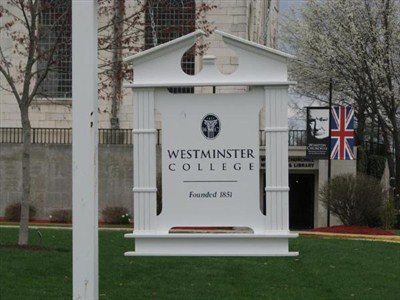
westminster sign

The Dream of Pain Care… Enough to Cope. the Seventeenth R. Dietz Wolfe Memorial Lecture

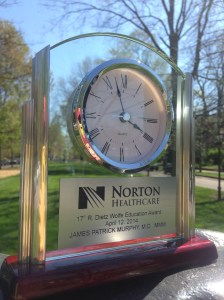
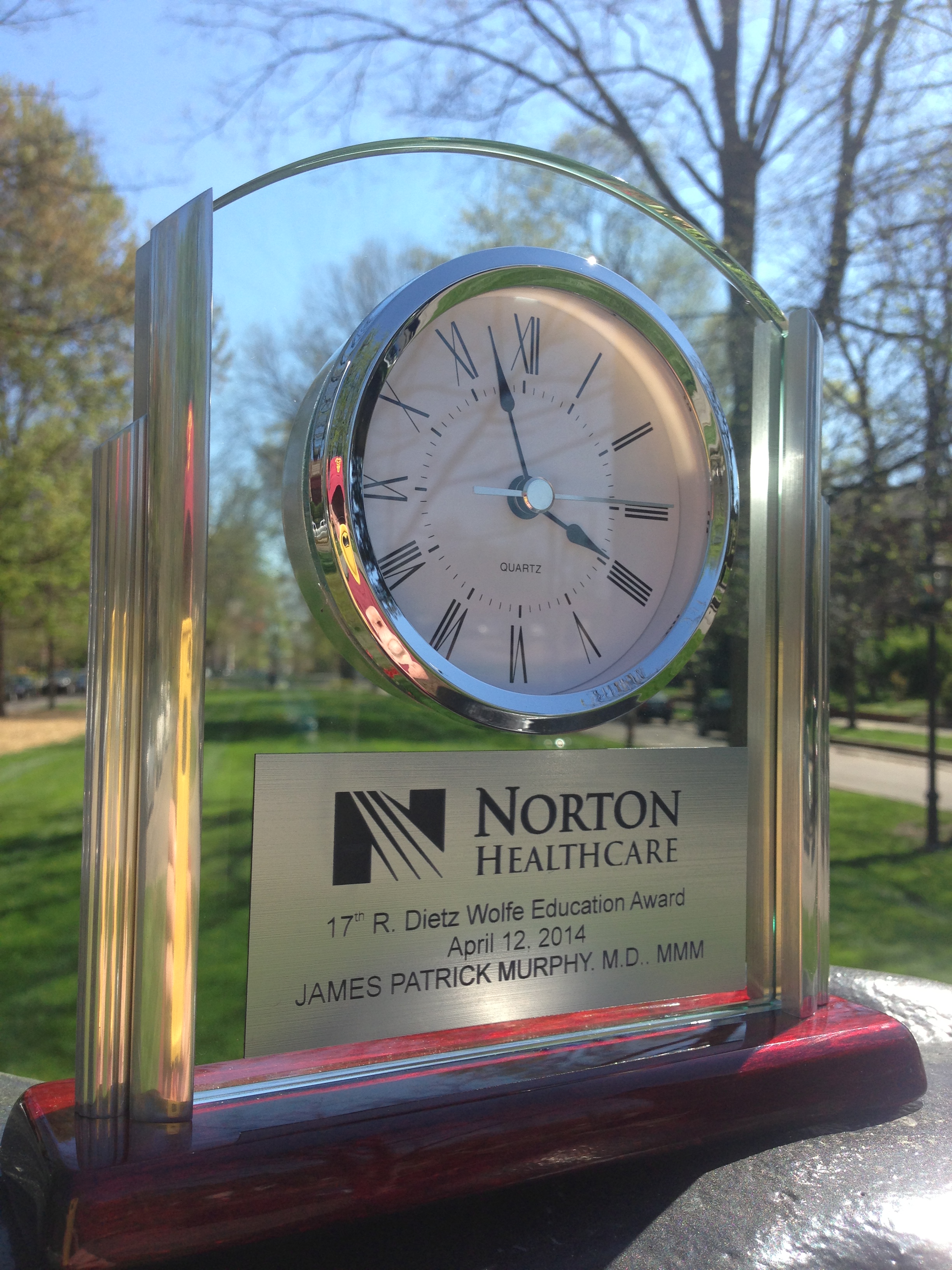
wolfe trophy

On April 12, 2014 my Norton Healthcare colleagues bestowed upon me the 17th R. Dietz Wolfe Education Award. Hopefully my presentation of the Wolfe Lecture adequately honored the legacy of the esteemed and beloved Dr. Wolfe.

For now, I humbly offer this synopsis…

Note: This article was updated on April 1, 2015 to reflect the most recent changes to states’ regulations.


The Dream of Pain Care… Enough to Cope

   – the 17th R. Dietz Wolfe Memorial Lecture 
 

karen neck

the algiatrist


a private place

study her face

fix on his eyes

feel her sinew

give an embrace


innovation

radiation

numb a raw nerve

eradicate

pain creation


to interlope

to offer hope

through some relief

tiny solace

enough to cope


– James Patrick Murphy
 

caring hands copy 2

Contrary to what one might think, it is generally not difficult to satisfy the needs of patients with chronic pain. Like the poem says, they simply need “enough to cope.” What’s difficult is the juggling act providers must perform to keep three “balls” in the air: patients must do well, regulations must be followed, and drug abuse must be prevented. Drop any of these three balls and you fall as well.

Sometimes the fall is hard. A couple of weeks ago I learned of a pain doctor in northern Kentucky who, on the heels of lawsuits and a medical board investigation, took his own life.

Then there was Dr. Dennis Sandlin, an eastern Kentucky country doctor who was shot and killed in his office by a patient upset because the doctor would not prescribe pain pills to him without first doing a drug screen.

Unfortunately, these scenarios are not our only threat. Federal prosecutors have even tried to use overdose deaths to trigger death penalty statues when seeking indictments against doctors.

And we hear sobering statistics like:

One person dies every 19 minutes from an overdose.

One “addicted” baby is born every hour.

Opioid pain drugs cause more overdose deaths than heroin and cocaine combined.

And now more people die from drug overdose than car accidents.

blame

For this crisis physicians take the brunt of the pundits’ blame, despite the fact that more than two-thirds of the diverted medications are acquired from family, friends, and acquaintances – not from a prescription by their doctor.

So why do it? Why treat chronic pain?

Perhaps because:

Over 100 million Americans suffer from pain, and that number is growing.

Pain affects more Americans than cancer, heart disease, and diabetes combined.

Up to 75% of us endure our dying days in pain.

True. But pain care, perhaps, means a little bit more?
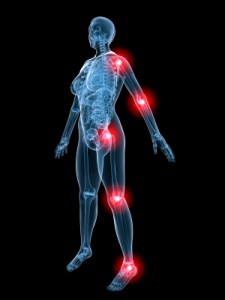
Hypnosis-Pain-Control

To answer that question we must first understand what pain is: an unpleasant sensory and emotional experience associated with actual or potential tissue damage or described in terms of such damage.

Second, let’s understand the distinction between addiction and abuse. Addiction is a primary, chronic disease of brain reward, motivation, memory and related circuitry. Drug abuse describes behavior born of bad decision-making; not the disease of addiction. But indeed, bad choices, bad behavior, and drug misuse lead to crime, accidents, social instability, and addiction. The developing adolescent brain is particularly susceptible to addiction, while the elderly brain is practically immune.
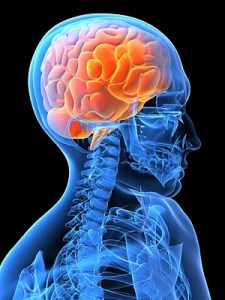
nucleus

Third, let’s understand the risk factors for addiction: (a) environmental, (b) patient-related, and (c) drug-related. We cannot control our patient’s environment, occupation, peer group, family history, or psychiatric issues. But we can gather information and get a feel for his or her risk level. Then we can control what we prescribe – understanding the characteristics of an “addictive” drug include the drug’s availability, cost, how fast it gets to the brain (i.e. lipid solubility), and the strength of the “buzz” it produces.

And thus we can understand how important it is to prescribe the lowest dose possible for the minimum amount of time necessary, based on the level of risk in properly screened patients; then reassess. When in doubt, prescribe even less and reassess more often. Never feel obligated to prescribe more than what you are comfortable prescribing. Pain may be the number one reason a patient visits a doctor and pain care is indeed a patient’s right; however, controlled substances for pain care are a privilege. And just like it is with prescribers, the patients have responsibilities and obligations to meet, lest they endanger their privileges. They must become good stewards of the medications they are prescribed.

eVoice pic

Despite these serious risks to their community, their patients, and their medical licenses, physicians regularly rise to the occasion and treat pain. Over the past year as President of the Greater Louisville Medical Society, I have written a monthly article for our journal, Louisville Medicine. The reasons that physicians so often rise are woven throughout those essays. Here are few selected passages…

*

June: We have core values that we share, and when our strategy is in line with achieving the greater good our choice of profession becomes a higher calling.

*

July: We can positively affect people’s lives in a dramatic way and on a grand scale if we commit to our shared values, reconnect and work together. It is not only possible. It is our inherent duty.

*

August: Think back to when you were happiest as a physician. It was probably when you did something that was completely selfless, without any concern that the benefit outweighed the cost, without consideration of a return on investment. 

*

September: It is why we started down this tortuous path. It’s why we gave up our youth to endless lectures, textbooks, labs, insomnia, and stress, risked our health, and stole from our family life. We went into debt, endured ridicule on morning rounds, and exposed our careers to legal ruin – all so we could commit to helping the people important to our profession: our patients.

*

October: Her strength, courage and positive attitude have always inspired me. In the cacophony of that noisy mall time stood still as our eyes met. I told her who I was and how inspiring she is to me. She smiled and we hugged. That was a moment of confluential truth. Never take for granted this precious gift.

*

November: I can never be 100 percent sure why I do what I do… but I do know the best decision is always the honest decision, regardless.

*

December: I have been blessed with the opportunity to connect intimately with people on many levels. I’ve noticed those who preserve their joy despite insurmountable challenges… They have perspective. Humans are the only organisms aware of concepts like the past, the future, beauty, love, death, and eternity.

*

January: Every imperceptible moment that passes is not only a new reality; it is rebirth, renewal, and redefinition. How will I define myself?

*

February: The place where you started is your true self; the self that is your center; the self that creates your thoughts and actions. Regardless of your life’s circumstances, success is achieved when your thoughts and actions are in harmony with the true you.

*

March: Failure can be painful. It exposes vulnerability. Physicians, myself included, can be very hard on ourselves sometimes, thinking that by intense training and adherence to protocol, preparation, and planning we are somehow immune to failure. This is, of course, not true. Failure is painful – necessary pain – providing motivation to change, evolve, and realize your role in nature’s play of perfection. Failure is not a result as much as it is a feeling. Failure is… a conduit to greatness.

*

April: I will connect with you as a person – not a diagnosis. …No phone calls, no texting, no social media are allowed to come between you and me. Only then, with laser focus, do I proceed. The job demands this. You deserve this.

*

May: There is a shortage in our profession – a shortage of practical dreamers who can remain child, student, explorer, and physician. Your profession and your patients need you to be this physician. And you need you to be this person.

*

While becoming this physician requires the acquisition of vast knowledge, no one cares what you know until they know that you care. But even the most caring physicians find it hard to keep aim at the moving target of pain regulations. Still, if we are going to do this (i.e. treat pain) we should do it right; in a manner that keeps our community safe and our medical licenses secure.
EinsteinAtBlackboard-259x300

Throughout my years of medical training I have organized data by creating poems, algorithms, and acronyms. It’s been helpful for me. Maybe they will be helpful for you. Here are some such aids I find useful in the care of pain patients.

AAAA – items to address at pain reassessments

Analgesia level (e.g. a “zero to ten” scale)

Activity level (e.g. functional goals)

Adverse effects (e.g. side effects)

Aberrancy (e.g. worrisome behavior, diversion, addiction, depression)

*

PPPP – the differential diagnosis when they ask for more medication

Pathology (e.g. new or worsening disease)

Psychology (e.g. depression, anxiety, addiction)

Pharmacology (e.g. tolerance, altered metabolism, hypersensitivity, neuropathic pain)

Police-related (e.g. unlawful diversion)

*

Kentucky has adopted (and revised) a law and numerous regulations that address the prescription of controlled substances. Here’s some helpful advice pertinent to prescribers in Kentucky:

Plan to THINK – What to do initially when prescribing for the first 90 days

Plan – Document why the plan includes controlled substances.

Teach – Educate the patient about proper use and disposal.

History – Appropriate history and physical

Informed consent – Risks need to be explained and consent documented.

No long acting – Don’t prescribe sustained release opioids for acute pain.

KASPER – Query the state’s prescription monitoring program.

*

COMPLIANCE – That which needs to be done by the 90 day mark

C          Compliance monitoring (i.e. Query KASPER, check a urine drug screen)

O         Old records (obtain more records if necessary)

M         Mental health screening (i.e. depression, anxiety, personality disorders)

P          Plan (establish specific functional goals for periodic review)

L          Legitimate working diagnosis established (i.e. objective evidence)

I           Informed consent (written) & treatment agreement (recommended)

A         ADDICTION / Diversion Screening

N         Non-controlled medications tried before going to controlled substances.

C          Comprehensive history needs to be obtained and documented.

E          Exam “appropriate” to establish baselines for follow-up.

*

PQRST – That which needs to be ongoing after the ninety-day mark

P          Periodic review (after the first month, up to physician’s judgment)

Q         Query KASPER every three months

R         Refer to specialists and consultants as necessary

S          Screen annually for general health concerns

T         Toxicology screens (i.e. urine) and pill counts randomly and at intervals dependent on the patient’s level of risk.

For more detail please review: THE CHRONIC PAIN PATIENT’S GUIDE TO KENTUCKY’S REGULATIONS” -available at https://jamespmurphymd.com/2015/02/13/pathway-to-partnership
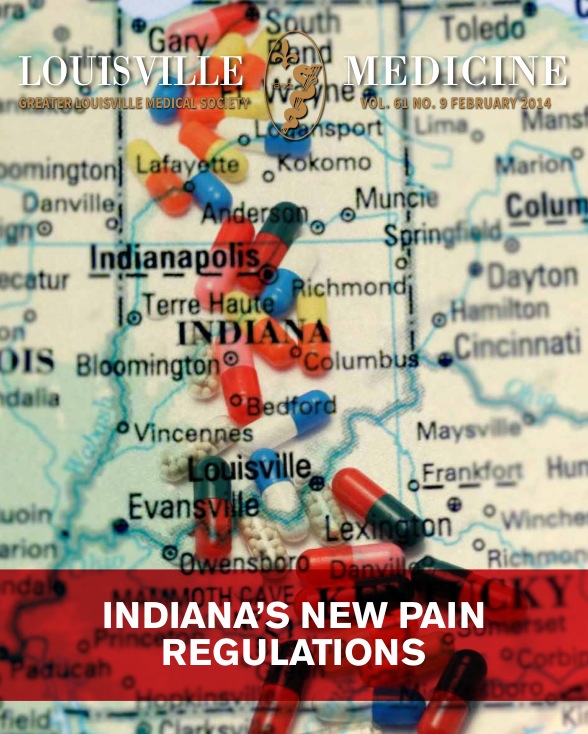
indiana

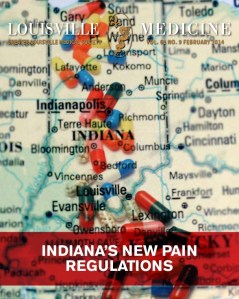
Let’s not forget Indiana. In December 2013 emergency regulations in the Hoosier state were enacted. These were updated and filed as permanent regulations on October 7, 2014. Indiana’s permanent pain regulations apply when any of the following conditions are met:

  1. DOSE & DURATION >15 MED for >3 months

DAILY MED (“morphine equivalent dose”) greater than FIFTEEN for DURATION of more than three consecutive months

Or…

  1. QUANTITY & DURATION >60 pills for >3 months

More than SIXTY opioid pills per month for DURATION of more than THREE consecutive months

Or…

  1. PATCHES > 3 months

Any opioid skin patches (e.g., fentanyl or buprenorphine), regardless of the dose or quantity, for DURATION of more than THREE consecutive months

Or…

  1. Hydrocodone-Only Extended Release

Any hydrocodone-only extended release medication that is NOT in an “abuse deterrent” form, regardless of the DOSE, QUANTITY or DURATION

Or…

  1. TRAMADOL (My advice) >150 mgm for >3 months

Actual language in the regulations state: “If the patient’s tramadol dose reaches a morphine equivalent dose of more than sixty (60) milligrams per day for more than three (3) consecutive months.”

This tramadol dose limit seems to be overly generous. My advice: Since 150 mgm of tramadol is equivalent to a FIFTEEN (15) MED, I believe it is more consistent with the other Indiana opioid dosage limits to consider TRAMADOL greater than 150 mgm/day for more than THREE consecutive months as the dosage limit congruent with other opioid dosage limits.

Reference: The online opioid calculator from GlobalRPH http://www.globalrph.com/narcoticonv.htm

For more detail please review: THE CHRONIC PAIN PATIENT’S GUIDE TO INDIANA’S REGULATONS” -available at https://jamespmurphymd.com/2015/03/29/pathway-to-partnership-part-ii-in


Indiana Physicians have DRIVE

When these thresholds are met, Indiana physicians must DRIVE

  • DRAMATIC at the start;
  • REVIEW the plan, REVISE the plan & REFER if the morphine equivalent dose is greater than 60 mg/day;
  • INSPECT at least annually;
  • VISIT face-to-face with the patient at least every 4 months; and
  • EXAMINE a drug screen if there is any indication.

Drug screening takes up a significant portion of Indiana’s regulations. The regulations actually list eighteen “factors” to consider. But the bottom line is that a drug screen (with lab confirmation) shall be ordered: “At any time the physician determines that it is medically necessary…(for any) factor the physician believes is relevant to making an informed professional judgment about the medical necessity of a prescription.”

 Indiana Physicians are DRAMATIC

At the initial evaluation a Hoosier physician must be DRAMATIC

         Diagnosis (establish a “working diagnosis” of the painful condition)

         Records obtained (a diligent effort made to obtain & review)

         Assessment of pain level

        Mental health (and substance abuse) screening

         Activity (functional) goals need to be established

         Tests should be ordered, if indicated

          Instead of opioids, use non-opioid options first

C          Conduct a focused history and physical


Both states emphasize the importance of treatment agreements, informed consent, and patient education. These subjects, along with helpful examples are presented in my article: “Are We In Agreement?” -available for review and download at: https://jamespmurphymd.com/2014/02/19/are-we-in-agreement

*

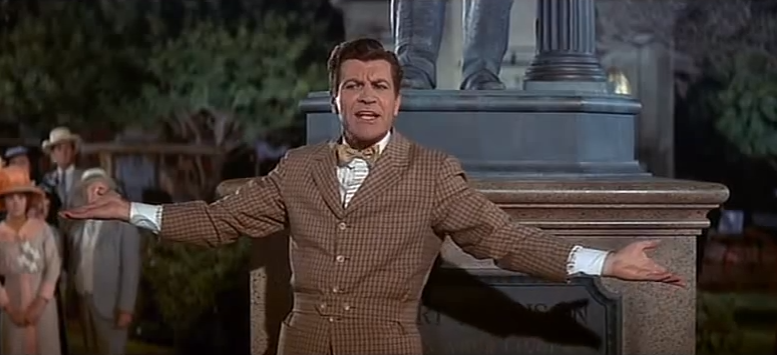
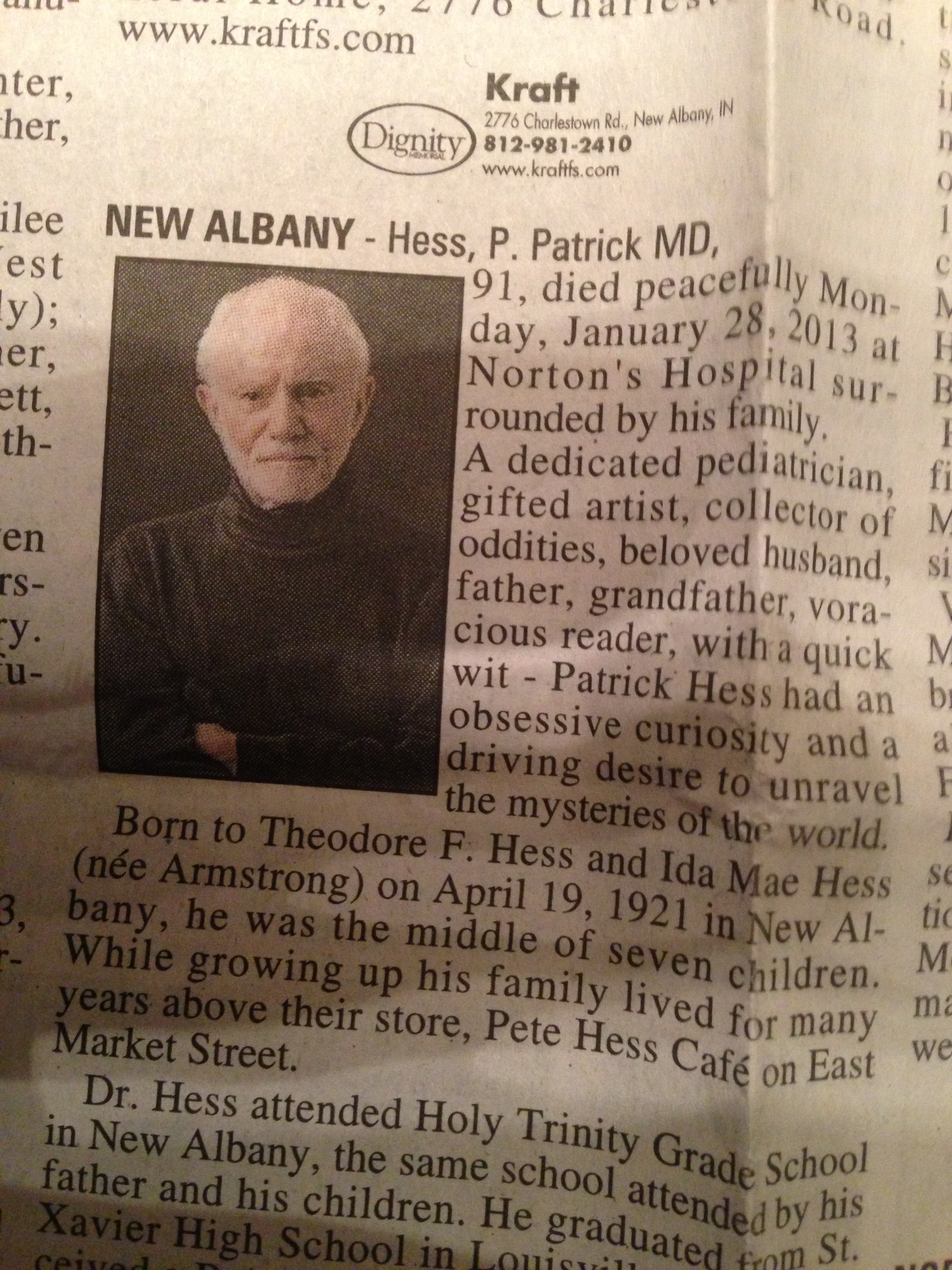
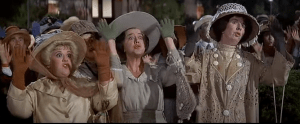
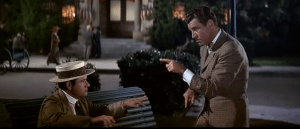
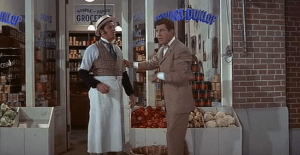
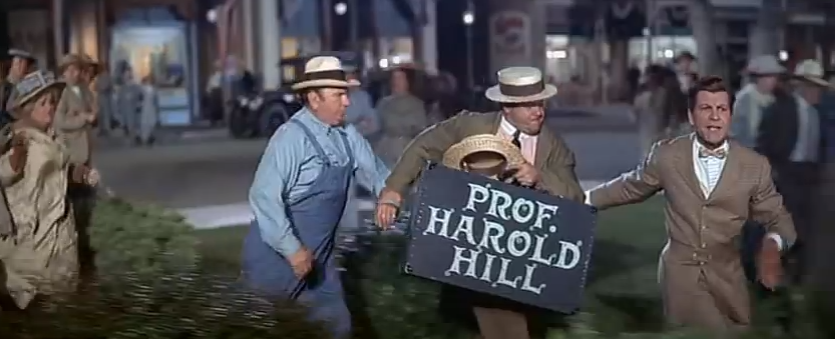
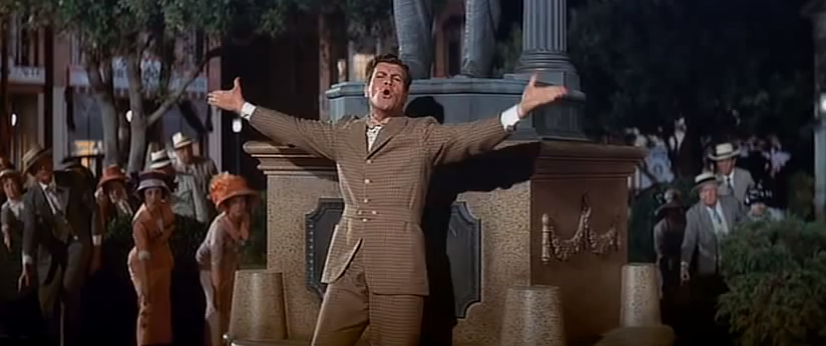
Regardless of one’s locale, treating pain with controlled substances can be dramatic. I’m reminded of a scene from the movie “The Music Man,” where Professor Harold Hill warned the people of River City:
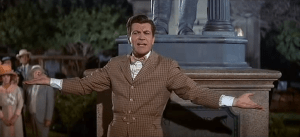
prof

Either you’re closing your eyes to a situation you do not wish to acknowledge, or you are not aware of the caliber of disaster indicated by the presence of a pool hall in your community.

Well my friends, the same emotional message is often said of physicians who treat pain. This “mass-staria” can be lessened by utilizing REMS (Risk Evaluation and Mitigation Strategies). REMS has been promulgated by the FDA with the goal of decreasing the risk associated with some risky drugs – especially the opioids.

The yin and yang of REMS is education and monitoring. The informed consent, patient agreement, and educational points together serve as a foundation for a medical practice’s effective REMS program.

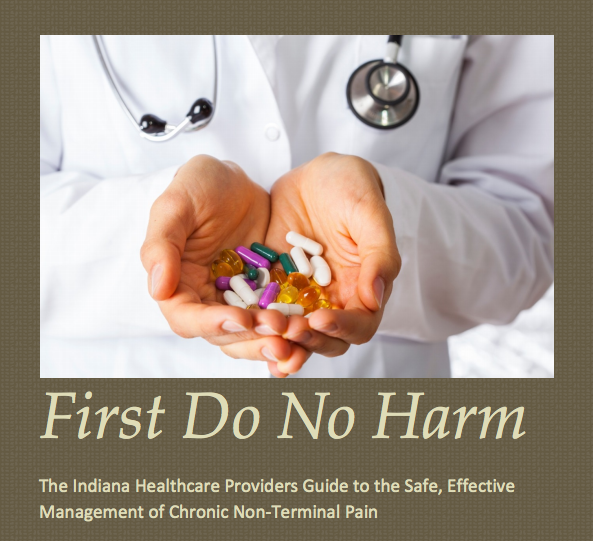
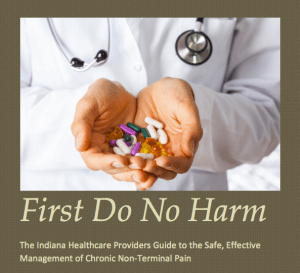
Two prime examples of efforts to educate prescribers are (a) the OPIOID course sponsored by the Greater Louisville Medical Society and (b) the First Do No Harm Providers Guide from Indiana’s Prescription Drug Abuse Taskforce.
opioid logo

no harm

When both prescriber and patient understand the risks and watch for the telltale signs, early intervention can keep you out of trouble, despite what the Harold Hills of the world might say.

In my experience, most people will do the right thing if they know what the right thing is. President Ronald Reagan’s Cold War policy with the Soviet Union was to “trust but verify.” When you give someone a reputation to live up to, they are positively motivated to deserve that reputation – and deserve that trust. The various measures prescribers take to verify proper use of pain medications provide boundaries that can guide and comfort all parties involved. Beyond the rules, regulations, and guidelines that make up these boundaries, lies the indisputable truth that physicians have an obligation to treat suffering. It’s our calling.
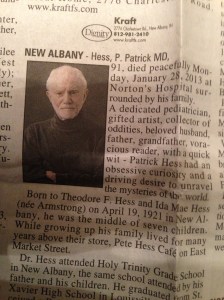
Hess obit

I’m reminded of these words from our departed colleague, Dr. Patrick Hess:


All physicians are artists,

not always in disguise.

Our way of looking at a patient,

allowing our minds to roam,

all over those perceptions of our previous life,

often forgotten,

to scan these memories,

and pull something from our unconscious mind,

all with the purpose of creating something,

something to help the patient.

This creation is,

itself,

a work of art.


When I decided to include this poem in my lecture presentation, I really had no inkling that Patrick Hess was Dr. Wolfe’s “oldest friend.” Nor was I aware Dr. Wolfe’s first love was journalism, or that he was the “bright” nephew of his beloved uncle, famed novelist Thomas Wolfe. I only knew that there was a message of conviction, hope, and inspiration that needed to be heard. I would like to think that these three kindred spirits were in attendance and that they approved of my message. And I would like to think that you will not merely approve, but will take action so that the dream of pain care, enough to cope, devoid of drug abuse, can be realized.

kel in surf


*

This summary is my own opinion and is not legal advice. Each facility and physician should consult its own legal counsel for advice and guidance.
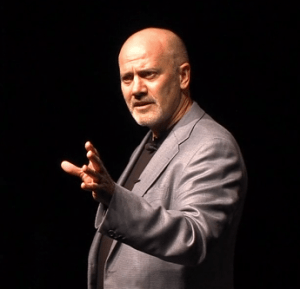
Ya Got Trouble !

11 drugs lik cocaine ladies

At the intersection of emotionally charged trains of thought, lies the potential for hyperbole, hysteria, and high drama. Nowhere is this more evident than in our nation’s debate over the utility of prescription pain drugs. Both sides offer sobering statistics. We cringe hearing that more people die from drug overdoses than from motor vehicle accidents. Then in the next breath we’re saddened by the news now one hundred million Americans suffer from chronic pain. This all may be true, yet still I’m reminded of what Mark Twain wrote, “There are three kinds of lies: lies, damned lies and statistics.” Unfortunately, efforts at finding truth can sometimes become sidetracked by blowhards with hidden agendas.

2 stay here  second one

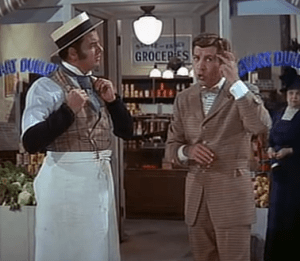
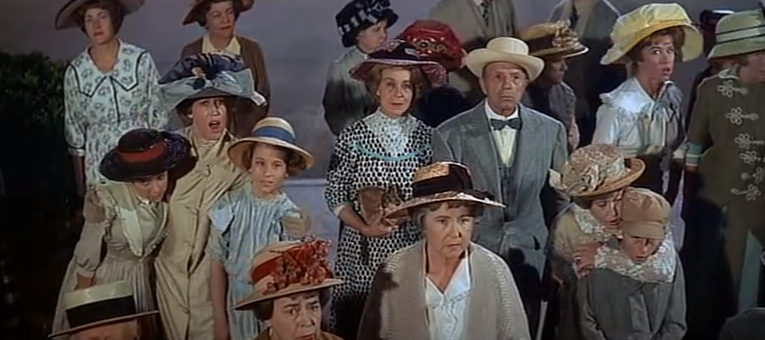
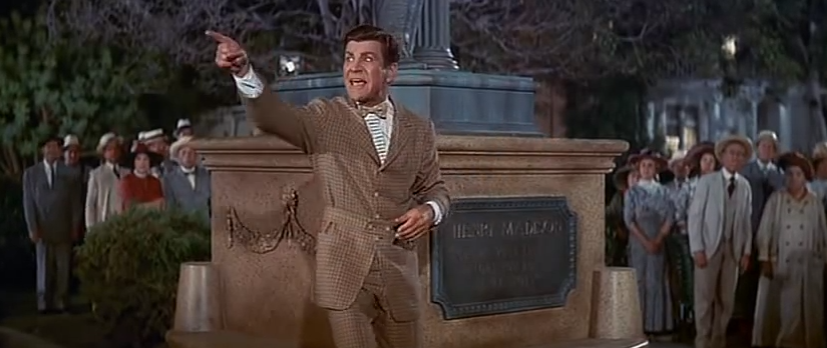
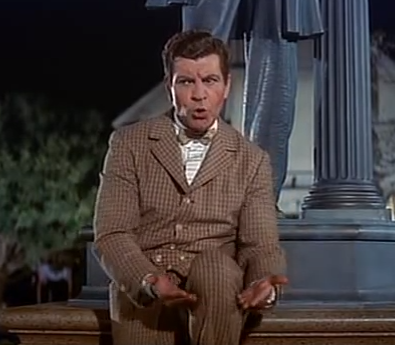
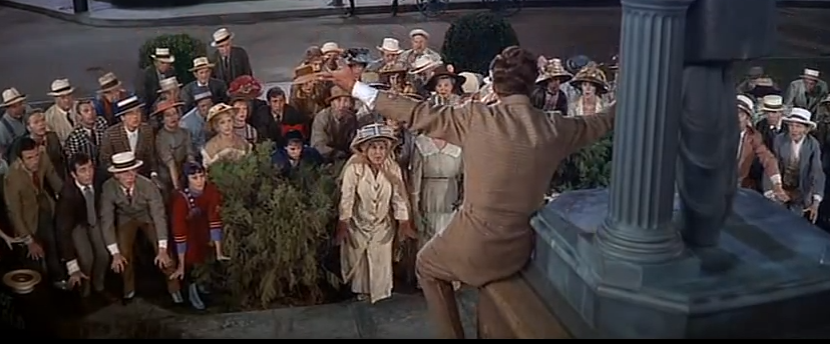
Twain was a fan of satire, so in that spirit I would like to offer my concept of how The Music Man’s dashing huckster “Professor” Harold Hill might have taken on the pain debate. In the movie, this self-proclaimed music teacher/instrument salesman sounded the alarm over “the presence of a pool hall.” Here is what he might have said, had it been a pain clinic instead. Note, if you’ve never seen the musical, I recommend you watch the video clip first.

3 friend either you are

Friend, either you’re closing your eyes to a situation you do not wish to acknowledge, or you are not aware of the caliber of disaster indicated by the presence of a pain clinic in your community.

 Well… Ya got trouble, my friends, right here, 
I say, trouble right here in your city.

 Why sure I’m a pain physician, certainly mighty proud to say,  
I’m always mighty proud to say it.

I consider that the hours I spend, needle in my hand, are golden.
Helps you cultivate horse sense, and a cool head, and a keen eye.

 3 g a cool head
Did ya ever try to treat a herniated disk with an epidural steroid shot?

 
But just as I say it takes judgment, brains and maturity 
to place a needle in the spine,
I say that any boob can pull a pad from his pocket.

And I call that sloth, 
the first big step on the road to the depths of deg-ra-da–

I say first, medicinal mar-i-ju-ana, then pills from a bottle.

4 and the next thing you kow 
And the next thing ya know 
your pills are selling for money on a back street route.

And listed on some big out of town KASPER*
showing how they’ve been doctor shoppin’.

Not a wholesome caring place, no! 
But a place where they pay cash right on the spot!

 Like to see some screwed up druggie boy sittin’ in your office?
Make your blood boil? 
Well, I should say. Now friends, let me tell you what I mean.

You got nine – new – pain – regs – that – were passed by the board.**

Regulations that mark the difference between a specialist and a bum, 
with a capital “B” 
and that rhymes with “P” 
and that stands for PAIN!

And all day long that pain clinic bunch will be loitering around, 
I say those addicts will be loitering,
loitering around your up town, middle town, down town too!

 5 here him tell about
Get the pills in their pockets, 
never mind setting functional goals
or the records reviewed
or agreements signed.

 
Never mind taking too many 
so your patients are caught 
with the bottle empty
on a Saturday night,
and that’s trouble.

 
Yes you got lots and lots of trouble.
I’m thinkin’ of the pain pill partiers
old ones, young ones, 
caring not a bit about breaking all the rules.

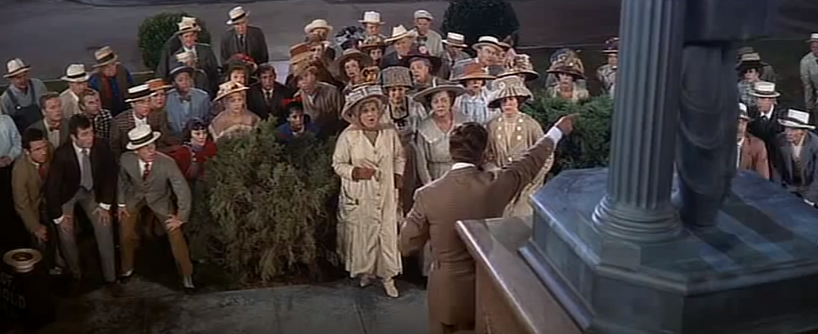
6 and that stands for pool pointing with crowd 
Ya got trouble, folks! Right here in your city.
Trouble, with a capital “T”
and that rhymes with “P”
and that stands for PAIN!

 Now, I know all you docs have the right kinda patients. 

I’m gonna be perfectly frank.
Would ya like to know what kind of conversation goes on 
while they’re loafing around your halls?

 
They’ll be tryin’ out Oxy, tryin’ out morphine
tryin’ out fentanyl and Zohydro.

And braggin’ all about 
how they’re gonna cover up a bad drug screen with with Clorox.

 8 zyour son and your daughter
One fine night, they leave the clinic, 
headin’ for a chance at the pharmacy.
Desperate men, enabling women! 
Narcotic shameless craving
that’ll make your son and your daughter 
defy every decent societal instinct.

 
 ADDICTION !

 
Friends, the stoner brain is the devil’s playground! Trouble!

 
Oh we got trouble. Right here in your city!
with a capital “T” 
that rhymes with “P” 
and that stands for PAIN!

 
We’ve surely got trouble! Right here in your city.
Gotta figure out a way to treat and not just go insane.

 7 caring not a bit about breakin all the rules

Doctors of this city, heed that warning before it’s too late! 
Watch for the telltale signs of addiction!

 The minute after your patient walks into your office,
does he claim to be paralyzed below the knee?

 10 below the knee
Is there a needle track mark on his index finger? 

 
A dime bag hidden in his butt pack?

Is he starting to visit web sites
like “How to Pass a Whiz test” dot com?

 
Are certain drugs showing up on urine drug screens
Drugs… like cocaine? And… heroin?

 14 the devils tool
Well, if so my friends, ya got trouble, right here in your city!
with a capital “T”
and that rhymes with “C” 
and that ain’t cool.

 
We’ve surely got trouble! Right here in your city! 
Remember that pain clinic doc is a willing fool!

 
Oh, we’ve got trouble! 
We’re in terrible, terrible trouble!
Those pills for the fifteen hundred cash is the devil’s tool.

 
Oh yes we got trouble, trouble, trouble! 
Oh yes we got trouble here, we got big big trouble!

 
With a “T”
Gotta rhyme it with “P”
And that stands for PAIN!

13 is a willing fool


*KASPER is the Kentucky All-Schedule Prescription Electronic Reporting system

**The Kentucky Board of Medical Licensure


###

Spoiler alert… Professor Harold Hill had nothing against the pool hall. He wasn’t even a music professor. He was a con artist with a hidden agenda. He wanted to make a big score selling band instruments then bolt out of town. In the end though, Harold Hill had a change of heart and found true love.

If we can cool down the hyperbole, hysteria and high drama; if we can look beyond the soaring rhetoric and eye-popping statistics; if we can engage in honest and respectful communication; perhaps we can find meaningful solutions to our nation’s pain medication crisis.

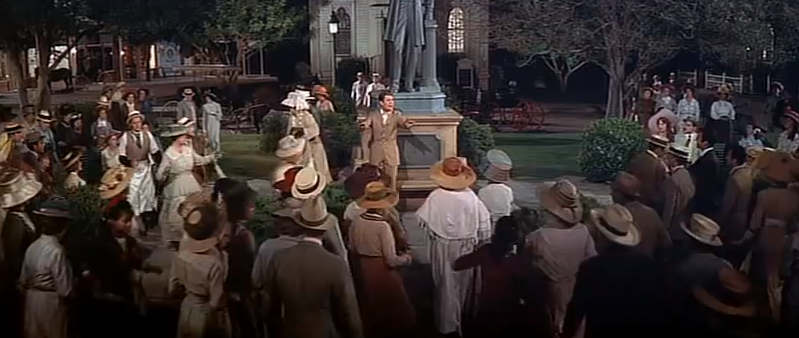
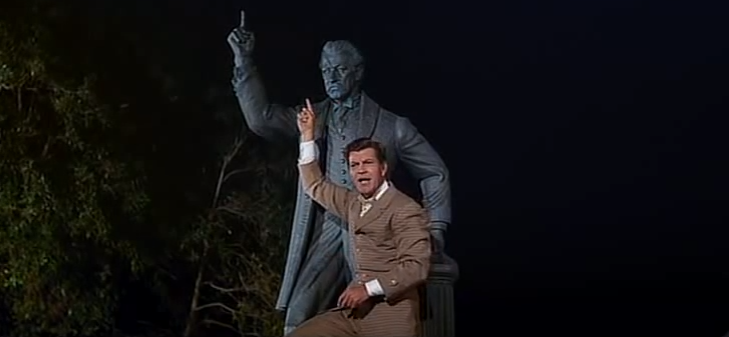
15 last one with statue

Remember my friends,
listen to me,
because I pass this way but once!

It’s only words…

words matter


Words matter. So when The Courier-Journal published Laura Ungar’s timely article on “addicted” babies, I seized the opportunity to clarify the terms: physical dependence and addiction. They are not interchangeable and the difference is important…


Letter to the editor, published in The Courier-Journal, March 19, 2014:

Every hour a baby is born in this country to a mother who is abusing drugs. Thank you, Laura Ungar, for shedding light on the problem in Sunday’s Courier-Journal. However, the word “addicted” in the title is misleading. Addiction is a chronic disorder involving the reward circuits of the brain, leading to: craving, emotional dysfunction, and continued use despite harm.

A fetus exposed to the mother’s drugs may be born “physically dependent,” which, while horrible, is temporary. Anyone can expect to become physically dependent on a drug they take for a long time.

And withdrawal can be severe, but when it is over it is over. In contrast, the disease of addiction is a chronic condition that, without treatment, is progressive and can result in lifelong disability or death.

Almost all addicts have been physically dependent on drugs, but vastly fewer people who find themselves “physically dependent” on drugs (i.e. pain patients) are addicts. None of the babies born physically dependent can be considered “addicted.”

*

James Patrick Murphy, MD

*

*

My letter was in response to this article:

Kentucky addicted babies increasing despite pain-pill crackdown

by Laura Ungar, lungar@courier-journal.com 9:02 p.m. EDT March 14, 2014

ANSWER THE CALL

WOLF CALL

Since tax season is upon us, and you may be feeling the wolf at your door, I thought it useful to take a look at the importance of RETURN ON INVESTMENT…

Balance-Scale

Value. 

There is value when benefit outweighs cost. 

I was hoping to sell you on the value of belonging to the Greater Louisville Medical Society, the Kentucky Medical Association, and the American Medical Association. I thought about listing the savings from members-only programs. Or maybe the marketing, career development, and educational benefits might have impressed you. Charity, advocacy, and research could have been extolled.

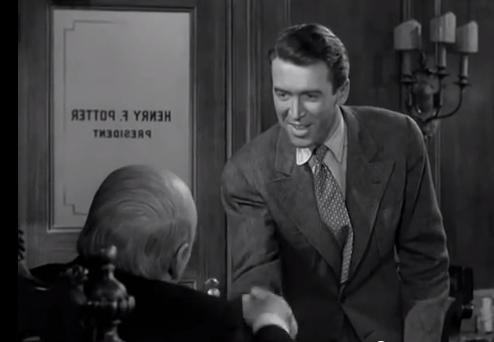
I thought about asking you to go online to the Texas Medical Association’s “ROI Calculator” and input your specifics.  I even thought about the It’s a Wonderful Life angle – depicting a world where these physician organizations never existed.

potter

But how can there be a list of each valued benefit if one does not know which benefits are most valued by each individual?

Then I realized something.  I know you.  I can see through your eyes, because I am like you.  At some branch in our medical family tree we are blood kin.

I know you do not want to be forced to follow cookbook recipes for efficiency or some computer software’s definition of quality. You want the freedom to relate to your patients as individuals – not as record numbers and diagnosis codes. You want to be compensated adequately and fairly. You want to answer to a higher calling than a checklist of outcome measures.  You want to practice the art and science of medicine.

You want to be what you studied all those years to be, what you risked your health to be, gave up your precious time with family to be, went into debt to be, lost countless hours of sleep to be, worked endless hours on-call to be, got bloody to be, risked getting sued to be, what the core of your being demands you to be.

Physician.

white coat standing

By the time you see this article, I will have had the honor of addressing the University of Louisville Medical School incoming freshman class. It is a tradition called the White Coat Ceremony.   To don the gleaming garment symbolizes to the world, “I am called to a noble and trusted order of healers.” Years later their journey will culminate with acceptance into our family.

But will our family have a home in which to welcome them?  Or will we be living in cookie-cutter communes – designed for us but not by us?

Your Greater Louisville Medical Society is a home built by physicians, for physicians – regardless of who pays the salaries, the benefits, or the dues.  It is a home where you can find comfort, support, and refuge.  It is a place to focus, strengthen, coordinate, collaborate, and advocate.  It gets to the heart of why we went into medicine – to use our gifts, through dedication and hard work, to improve the human condition. And the KMA and AMA are extensions of this home.

Think back to when you were happiest as a physician. It was probably when you did something that was completely selfless, without any concern that the benefit outweighed the cost, without consideration of a return on investment.

op smile

You delivered the breech baby, clamped the bleeding artery, discovered the tumor in time, followed up on the lab test that saved a life, comforted the dying patient or the grieving family.  In moments like these, when cost is irrelevant, you become the quintessence of your calling.

In The Call of the Wild, Jack London wrote:

There is an ecstasy that marks the summit of life, and beyond which life cannot rise. And such is the paradox of living, this ecstasy comes when one is most alive, and it comes as a complete forgetfulness that one is alive.

For us, this ecstasy comes when we invest in our calling, and it comes as a complete forgetfulness that there be a return on that investment.

doctor-whitecoat-615x311

We are physicians.

This is our core value.

Cost is irrelevant.

Answer the call.

eVoice pic

Note: This article was first published as the Greater Louisville Medical Society President’s eVoice, August 2013.

*

James Patrick Murphy, MD, MMM is President of the Greater Louisville Medical Society 2013-14.  Dr. Murphy’s blog is The Painful Truth. He can be found on TWITTER  @jamespmurphymd.  His President’s eVoice and other communications & videos can be accessed at the Greater Louisville Medical Society website.

IS THERE METHOD TO THIS MARCH MADNESS?

hamlet_2516701k (1)

To prescribe or not to prescribe Zohydro ER…

In March 2014, Zohydro ER (hydrocodone extended-release) was introduced to the market. Never in my medical lifetime do I recall a medication stirring such angst. Worries of mass overdoses, backdoor FDA conspiracies, and blatant disregard for the public wellbeing abound. Is there method to this March madness?

620px-hydrocodone-svg

Some background…

Zohydro ER is a pain pill that, when taken by mouth, is released slowly over twelve hours. The active ingredient, hydrocodone, is an opioid (i.e. narcotic) that’s been around for decades in a short-acting pill form (e.g. Lortab, Vicodin, Norco) and has historically been combined with APAP (a.k.a. acetaminophen, Tylenol).  The FDA considers hydrocodone-APAP combination pills to be relatively less addictive and designates them as a schedule-three drug. Physicians can prescribe schedule-three drugs over the phone, with up to six refills. By contrast, schedule-two drugs (e.g. morphine, oxycodone, oxymorphone), even when combined with APAP, are considered more addictive, can’t be called in, and can’t be refilled without a new hard-copy prescription.

Because it is effective for pain, relatively well tolerated, and convenient to prescribe, hydrocodone-APAP pills have become the most commonly prescribed opioid in the United States.  It’s therefore not surprising that, since there’s so much in circulation, hydrocodone-APAP pills are frequently the most available opioid for abusers to abuse.  Add to this the legitimate worry about acetaminophen (APAP) overuse causing liver failure, and you can understand our leaders’ concerns surrounding this pain medication.

Enter Zohydro ER, the first extended-release hydrocodone pill without APAP. It’s easy on the liver and lasts twelve hours; so people with around-the-clock pain may need fewer pills per day. Additionally, it’s a schedule-two drug. In summary, Zohydro ER is a long-lasting version of a widely used and effective opioid, which until now had only been available in combination with acetaminophen.  So why the controversy?

Aye, here’s the rub…

Zohydro ER does not have any of the new and popular tamper-resistant technologies; e.g. a matrix that won’t dissolve easily, or a coating that is difficult to crush.  Instead, the makers took advantage of a delivery system (SODAS) already used successfully in a number other of extended-release drugs such as: Ritalin LA, Focalin XR, Luvox CR, and Avinza.

OxyContin and Opana ER are two examples of opioids that manufacturers took off the market briefly for reformulation as tamper-resistant.  However, while the changes have made them more difficult to snort or inject, many addicts still find ways to abuse these drugs or have just moved on to heroin. Tamper-resistant does not mean tamper-proof.

By the way, the generic form of Opana ER (oxymorphone extended-release) was not reformulated and is still available without tamper-resistant technology. Also, consider that Avinza (morphine extended-release), which employs the same sustained-release system (SODAS) as Zohydro ER, has neither been recalled nor been required to undergo reformulation.  In reality, probably 90% of the opioids in circulation do not have tamper-resistant formulations.

That’s why I have difficulty understanding the uproar over Zohydro ER. As a pain specialist, I welcome another effective treatment to offer chronic pain sufferers. Sure, I’d be happier if it had a hard coating or some other “deterrent” to abuse. But in reality, Zohydro ER is, for all practical purposes, neither safer nor more dangerous than many of the drugs I already prescribe with success. So far, tamper-resistant innovations have not been proven to be effective in the big scheme of things. All opioids, regardless of the formulation, must be prescribed with caution and careful monitoring.

According to the American Society of Addiction Medicine, there are four main factors that contribute to a drug being addictive:

  1. How much will it cost me?  All things considered equal, people will choose a drug that is cheaper.
  2. How fast does it get to my brain? Hydrocodone is water-soluble and actually diffuses into the brain slower than many other opioids.
  3. What kind of a buzz will I get? Opioids stimulate the brain’s “reward circuit.” There is no proof that hydrocodone is any worse in this regard than other opioids.
  4. How much of it can I get my hands on? People will abuse what is available to them. Since hydrocodone is the most prescribed opioid, expect it to be one of the most abused. It follows that if Zohydro ER floods the market it will be abused.

Therefore, my recommendations to physicians are:

  1. Prescribe Zohydro ER in the lowest dose possible, for the shortest duration of time, and only if the benefits outweigh the risks.
  2. Monitor regularly for effectiveness, side effects, and patient compliance.

  3. Educate yourself and your patient.
  4. Follow guidelines and regulations faithfully.

By the way, that’s my advice to physicians regardless of which opioid they prescribe.

Zohydro ER may not be tamper-resistant, but tamper-resistant drugs are not super heroes. Do not expect them to save us from the real villain.

The real villain is not the FDA, not the drug company, not the drug, and not the patient.

The villain is the disease of addiction.

Focus on the disease. Prevent the disease. Treat the disease.

This Zohydro hullabaloo is a prime opportunity to shine light on the problems surrounding prescription drug abuse and addiction. Let’s take advantage of it.

And stop the madness.

*

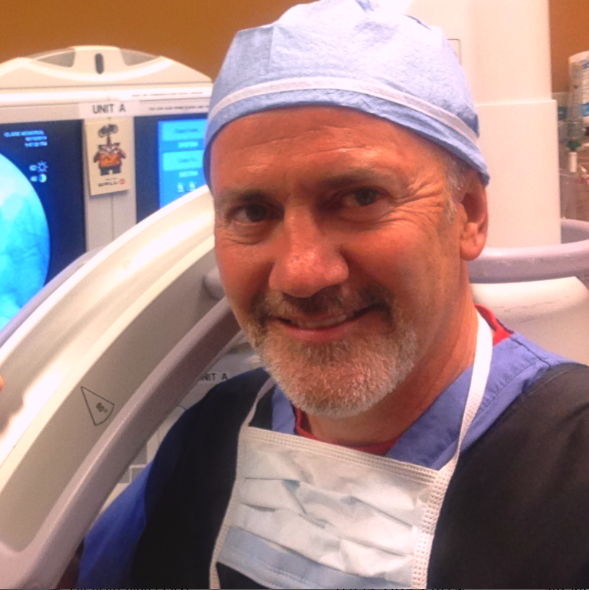
me and c arm

James Patrick Murphy, MD, MMM

Board-certified in Pain Management, Addiction Medicine & Anesthesiology

Can We Make a Deep Run?

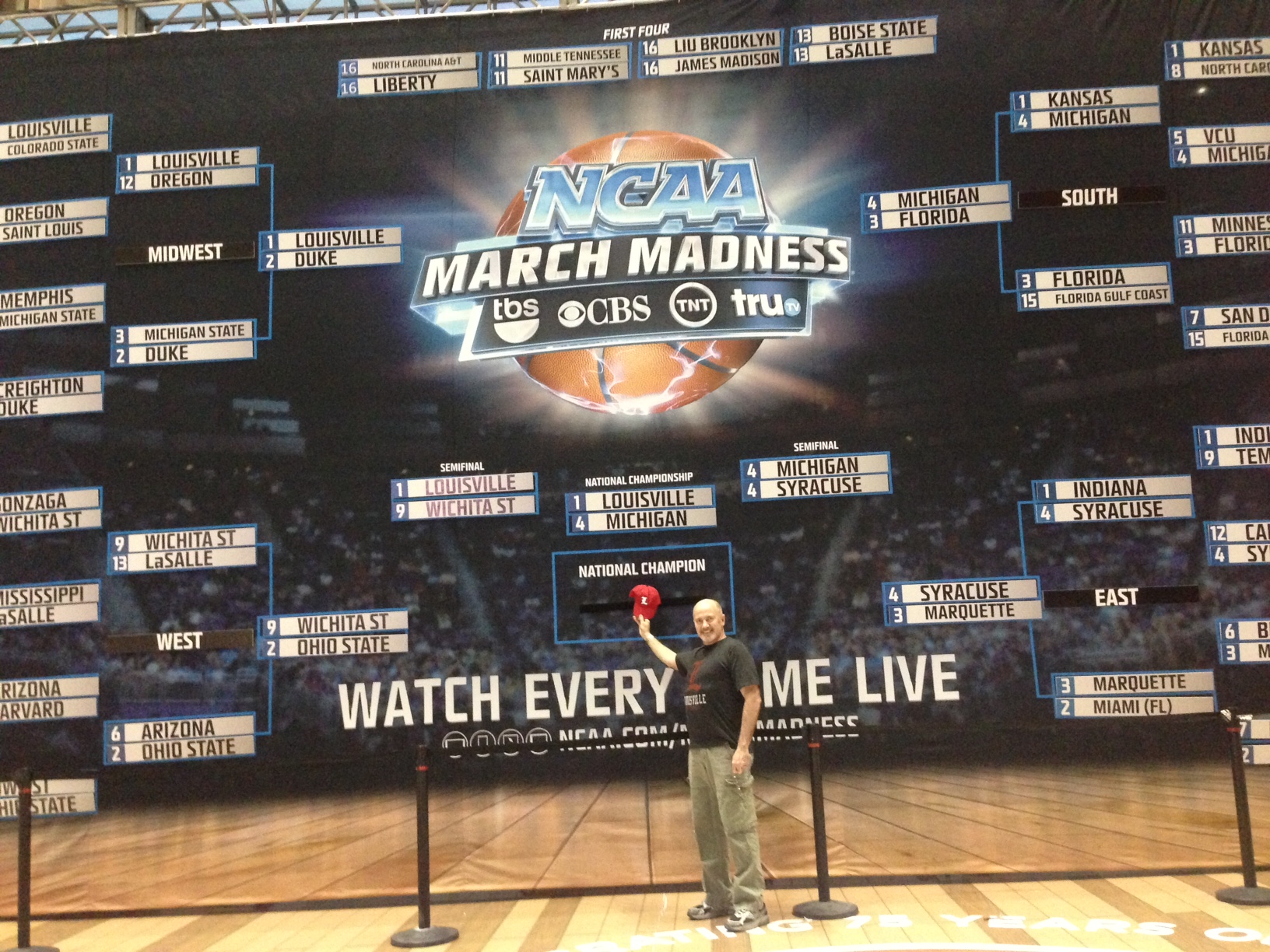
It’s March and that means basketball assumes center stage. So I decided to share my most basketball friendly eVoice.  A winning season requires a combination of passion, hard work and talent. But making a “deep run” in the tournament demands teamwork.
brackets

Do we have what it takes?

*****

LeBron, Trust, and the Power to Save our Profession

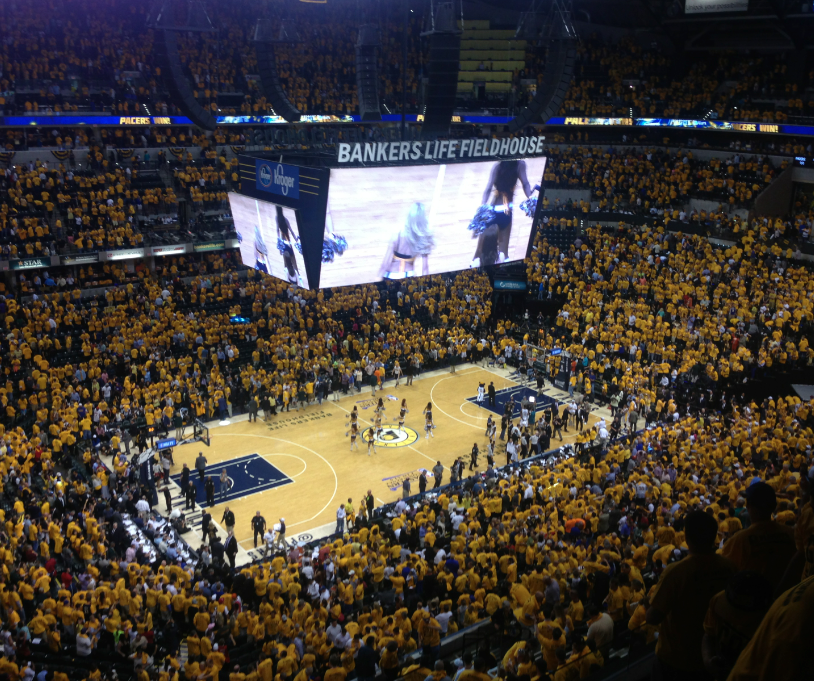
Recently my son and I made the trip to Indianapolis to see the Pacers play the Heat for a chance to go to the NBA finals.

pacers game

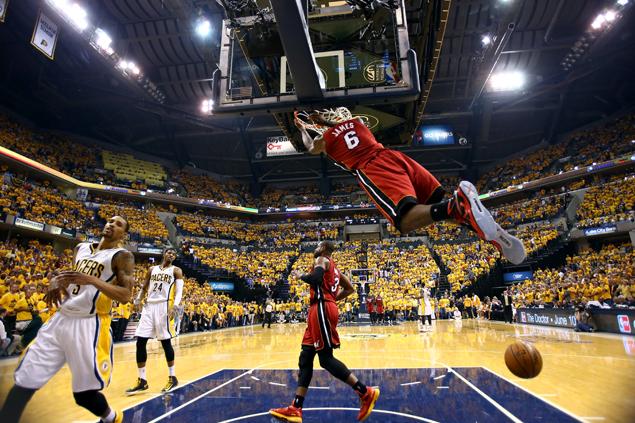
It was do or die for the Pacers, who were going up against the world’s best player, LeBron James. Even from the nosebleed section, it was clear that James was bigger, faster, and stronger.  He ran. He jumped. He rebounded. He dunked. He grabbed the spotlight.

lebron dunking on pacers

And he lost.

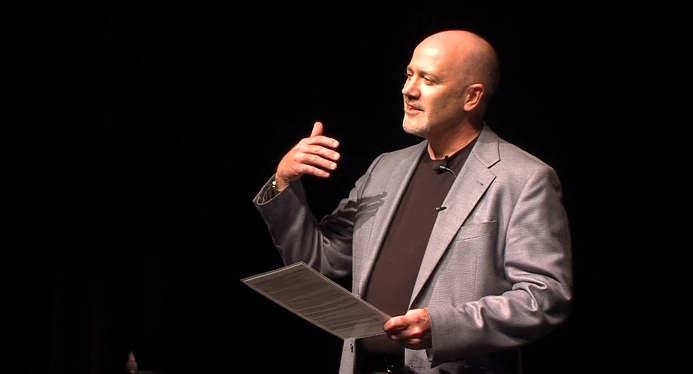
murphy speech at pres celeb

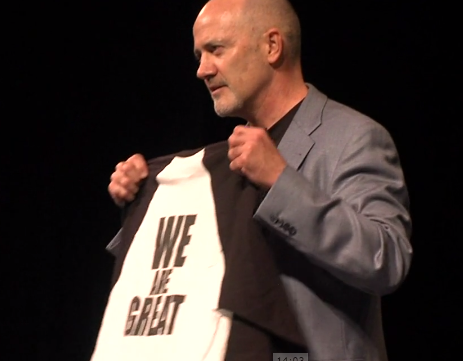
In my remarks at our Greater Louisville Medical Society’s Presidents’ Celebration on May 19th, I touched upon the concept that our team, a.k.a. our “tribe,” can reach our winning potential only if the pervasive attitude is “together we can be great.”

we are great

But is this possible?

It is hard to be together. There are so many barriers between physicians these days. We used to hang out in the doctors’ lounges, see each other on rounds, meet each other at seminars, and even pick up the phone and talk to one another. The GLMS roster, affectionately known as the “mug book,” included our picture, address, home phone number, and spouse’s name. A quick flip through its pages and you felt like you belonged to something special and could connect at a moment’s notice. But now we are partitioned into subgroups defined by things like specialty, locale, hospital affiliation, and employer.
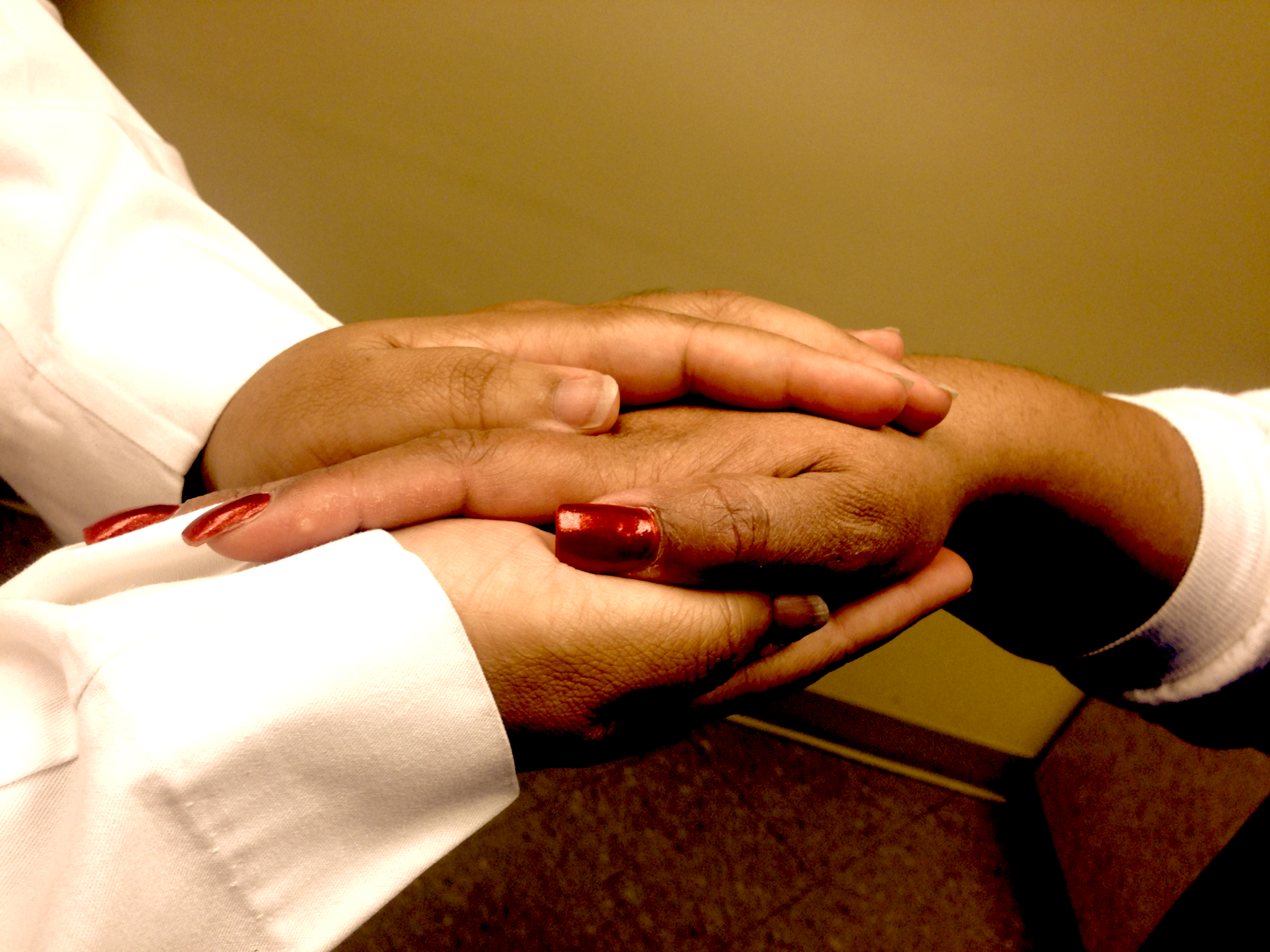
It is critical that we reconnect, not just with colleagues but also with our passion. Deserve the privilege of our patient – physician bonds.  Be worthy of the immense trust gifted in this relationship. Trust is inherent to our profession and is born at the intersection of science and art. Trust is powerful yet fragile. Trust must be nurtured, honored, and protected.  By acting in our patients’ best interests, trust is sustained.
Are we powerful enough to save a profession?

Faced with so many dilemmas – where we will work, who we will work for, what we will earn, and how we will collaborate – our temptation is to cling to the status quo – protect our turf.  But the status quo will pit us against other professionals, third party payers, our patients, and even ourselves. If we do not solve these dilemmas, they will be solved for us. If we do not write the stories, they will be written without us. If we do not lead, we will be forced to follow.

I cannot keep from wondering what time will do…                                                                         and I wonder how far away from yourself you will go.

A very special teacher once conveyed these words to me. She understood that life’s living will weather anyone and would invariably change me. Even so, I can steer back toward my true self – the real me – by making a difference in the life of someone else.  No profession facilitates this journey more effectively than the healing arts. And there is no equivalent in the healing arts to the calling of physician.

Individuals we can be great. But together we can be greater.  We can positively affect people’s lives in a dramatic way and on a grand scale if we commit to our shared values, reconnect, and work together. It is not only possible. It is our inherent duty.

And we all win.

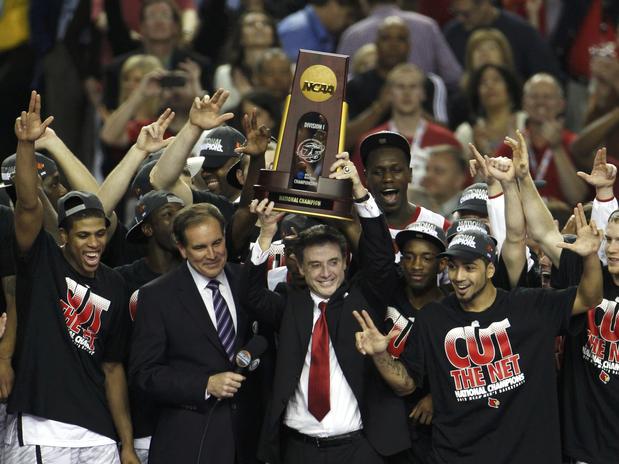
cards win ncaa

Note: This article was first published as the Greater Louisville Medical Society President’s eVoiceJuly 2013

eVoice pic

Patrick Murphy, MD, MMM is President of the Greater Louisville Medical Society 2013-14.  Dr. Murphy’s blog is The Painful Truth. He can be found on TWITTER  @jamespmurphymd.  His President’s eVoice and other communications & videos can be accessed at the Greater Louisville Medical Society website. 

View Dr. Murphy’s remarks at the Greater Louisville Medical Society’s Presidents’ Celebration May 19, 2013  http://vimeo.com/68703810

You Tweet Me! You Really Tweet Me!

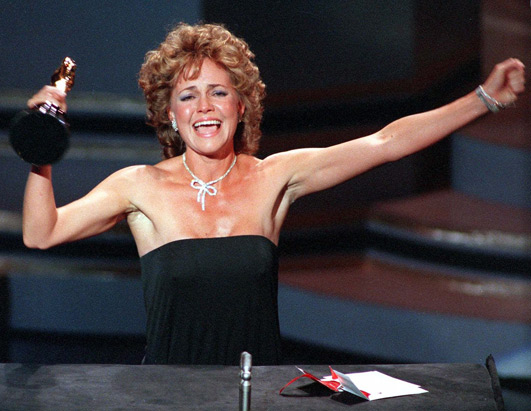
sally-field-oscar

It’s Oscar season, so I thought it would be fun to take a look back at some of this year’s most memorable Twitter performances. The envelope please…

*

Best Quote   http://goo.gl/jcHm5H

Confluential Truth ‏@jamespmurphymd  May 24

“…pay attention when your loved ones are speaking, as if it were the last time you might hear them.”

Mitch Albom, “Tuesdays with Morrie”

*

Best Original Concept  pic.twitter.com/gzUs8hoOrx

Confluential Truth ‏@jamespmurphymd  Feb 15

our eyes met

how inspiring she is to me

we hugged

confluential truth http://goo.gl/jYzssi 

*

Best Inspirational Tweet  pic.twitter.com/QElPmmk4Ef

Confluential Truth ‏@jamespmurphymd  Feb 10

I was a bit nervous much of the time. Now, dialing my cell phone, I was a bit nervous again. http://goo.gl/N235Ef 

*

ht_jill_brzezinski-conley_paris_the_light_that_shines_sswm3_jt_130209_wmain

Best Supporting Tweet  pic.twitter.com/1lx2UyITx1

Confluential Truth ‏@jamespmurphymd  Feb 3

Tragedy, triumph, perseverance, and love @lauraungarcj chronicles Jill’s battle with cancer http://goo.gl/pxWopE 

*

KEL ON SKI

Best Original Photo (tie) pic.twitter.com/Jzr4Bt0l8X

Confluential Truth ‏@jamespmurphymd  Dec 2

Interested in #pain? #Law? #Regulations? #Guidelines? I break down Indiana’s new pain rules at http://jamespmurphymd.com 

*

journey for truth

Best Original Photo (tie) pic.twitter.com/poK2LTWHvQ

Confluential Truth ‏@jamespmurphymd  Jan 2

Searching for truth in 2014 https://jamespmurphymd.com/ 

*

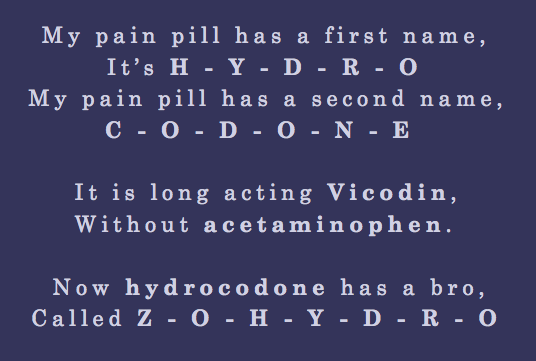
harmacy 2

Best Original Ironic Photo http://goo.gl/Vfp4Qt

Confluential Truth ‏@jamespmurphymd  Oct 6

National Substance Abuse Prevention Month 2013 http://wp.me/p3C62j-h 

*

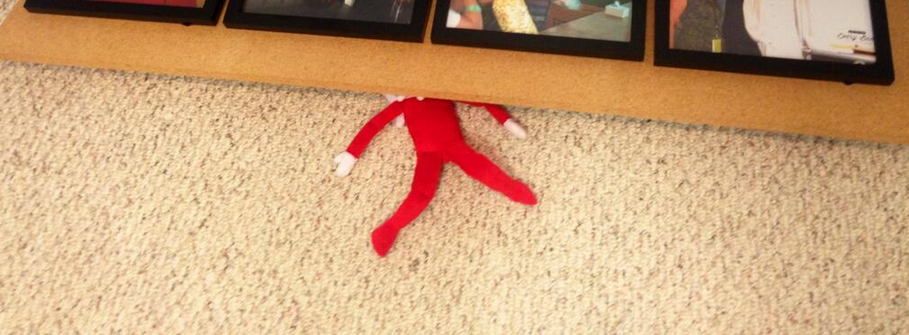
elf

Best Disturbing Photo pic.twitter.com/mxJoNI4jhN

Confluential Truth ‏@jamespmurphymd  Dec 20

You’ve ratted me out to Santa for the last time… the #shelf on the #elf

*

Best Use of a Sports Metaphor  pic.twitter.com/fdGZaPU1Js

Confluential Truth ‏@jamespmurphymd  Jan 17

GLMS on a fast break to a healthier #Kentucky. But it’s not a slam dunk. We need your assist. http://goo.gl/2VBmJY 

*

gravity small

Best Use of a Movie Reference  pic.twitter.com/6tyJNoprD4

Confluential Truth ‏@jamespmurphymd  Jan 18

Understand the #GRAVITY of the situation. Prescribers, take back your universe… with #OPIOID http://goo.gl/2dUZxI 

*

ensemble

Best Ensemble Performance  pic.twitter.com/igkE0hia69

Confluential Truth ‏@jamespmurphymd  Feb 11

This #OPIOID thing didn’t just happen. Here’s to the people who gave us OPIOID… http://goo.gl/ABQdoM 

*

Best Stunt in a Motion Picture http://goo.gl/RzvsNH

Confluential Truth ‏@jamespmurphymd  Oct 10

#NSAPM Day 10 How can you avoid being addicted to your pain meds? It helps if your doctor can juggle. I try it at: http://www.courier-journal.com/article/20120604/NEWS01/107100009 …

*

Best Performance on a Local News Channel http://goo.gl/f8GEqn

Confluential Truth ‏@jamespmurphymd  Nov 26

Eric Flack’s #WAVE 3 Troubleshooter piece on #Concierge #Medicine was fair to both sides… and me. See for yourself: http://www.wave3.com/story/24064989/critics-fear-boutique-doctors …

*

Best Performance on Public Television http://goo.gl/8m3L8X

Confluential Truth ‏@jamespmurphymd  Oct 15

Day 15 of #NationalSubstanceAbusePreventionMonth: Dr. Murphy talks pain and addiction with Dr. Wayne Tuckson on KET: http://www.ket.org/cgi-bin/cheetah/watch_video.pl?nola=KKHEA%20000902&altdir=&template= …

*

Best Performance on Radio  http://goo.gl/w7D8vB

Confluential Truth ‏@jamespmurphymd  Jul 2

WED 7/3/13 @ 9 am – GLMS Pres Dr Murphy is on The Joe Elliott Show AM 970 WGTK  http://goo.gl/rNGHRx

*

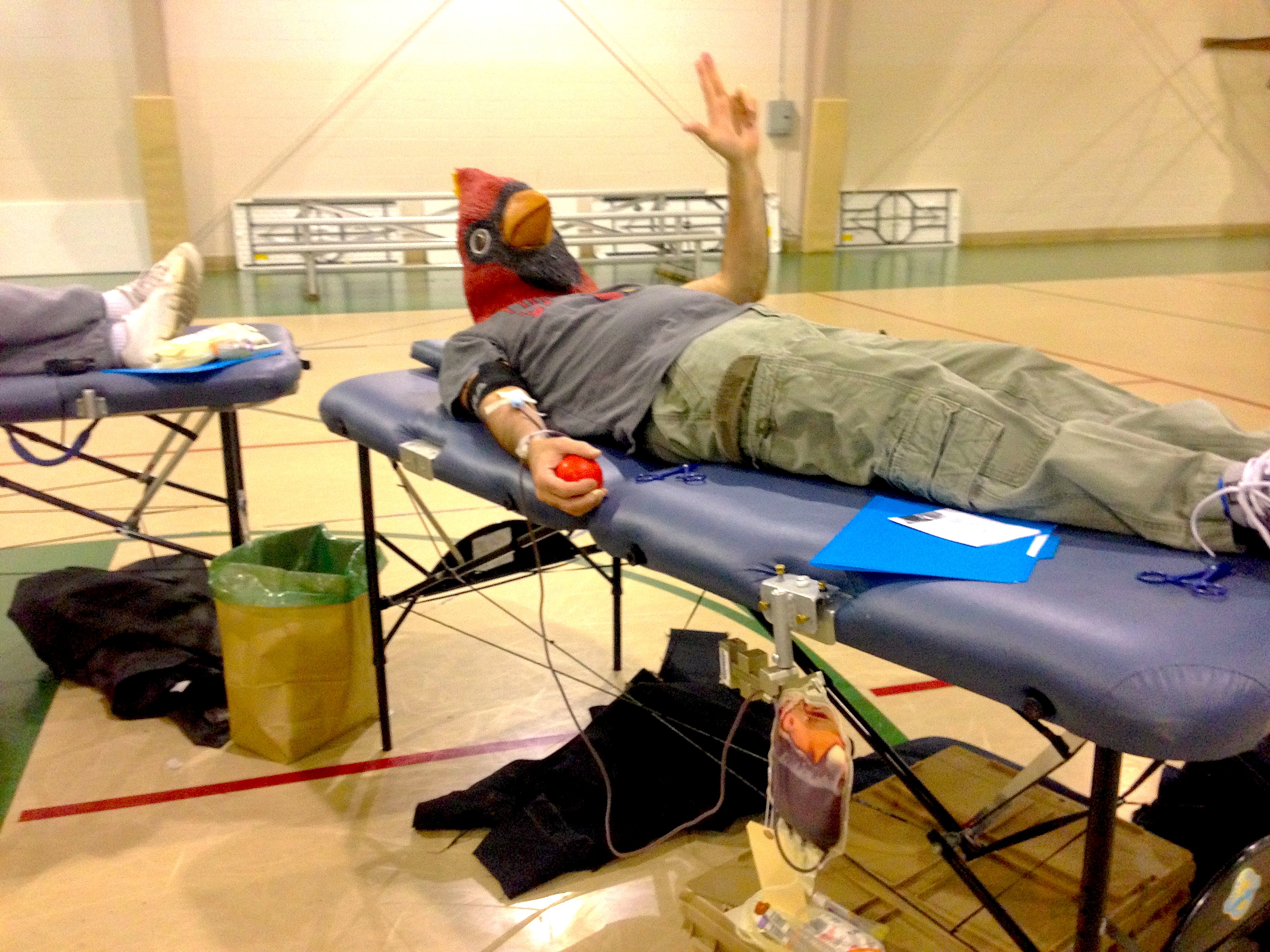
bleed red

Best Non-medical Tweet http://goo.gl/kBOE0q

Confluential Truth ‏@jamespmurphymd  Jun 16

Thanks Mike Rutherford for giving Louisville Medicine a spotlight. The Card Chronicle blog is witty & well written http://www.cardchronicle.com/2013/6/11/4420106/tuesday-evening-cardinal-news-and-notes …

 *

flag 2

Best Patriotic Tweet  http://goo.gl/dBL3gW

Confluential Truth ‏@jamespmurphymd  Nov 11

Veterans Day With J.P. Murphy http://wp.me/p3C62j-2d 

*

Best Advocacy Tweet  http://goo.gl/zUSpU8

Confluential Truth ‏@jamespmurphymd  Nov 26

Be a Good Samaritan http://wp.me/p3C62j-32 

*

Best Commentary  http://goo.gl/5zZ3Nj

Confluential Truth ‏@jamespmurphymd  Dec 21

Dr Gupta, Seriously? http://wp.me/p3C62j-52 

*

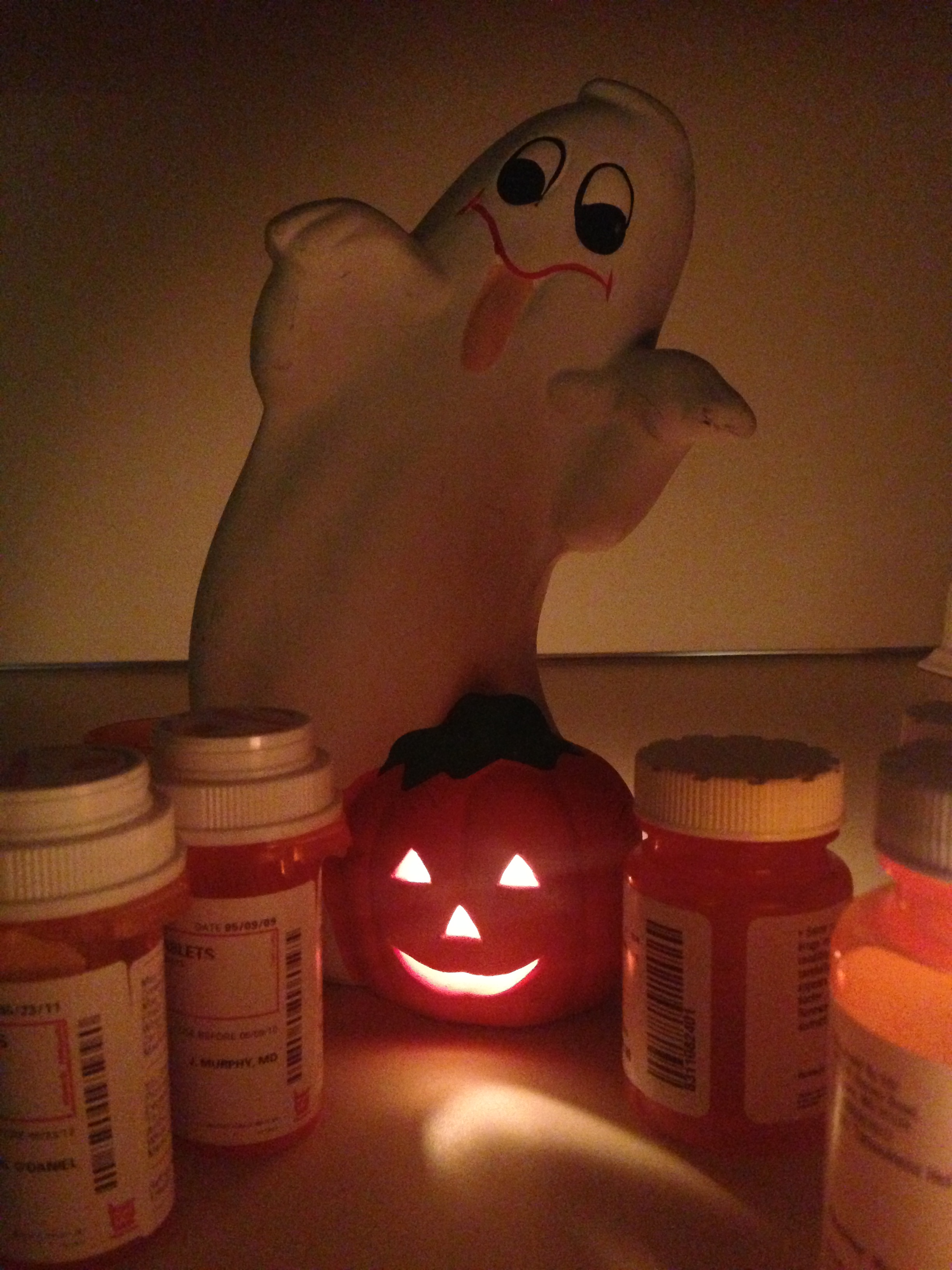
ghost

Best Original Musical Score  pic.twitter.com/4mZO4uCm9W

Confluential Truth ‏@jamespmurphymd  Oct 25

Dear fiends, I mean FRIENDS… a painful ghost story, sure to raise your Halloween spirits http://vimeo.com/77715467 

*

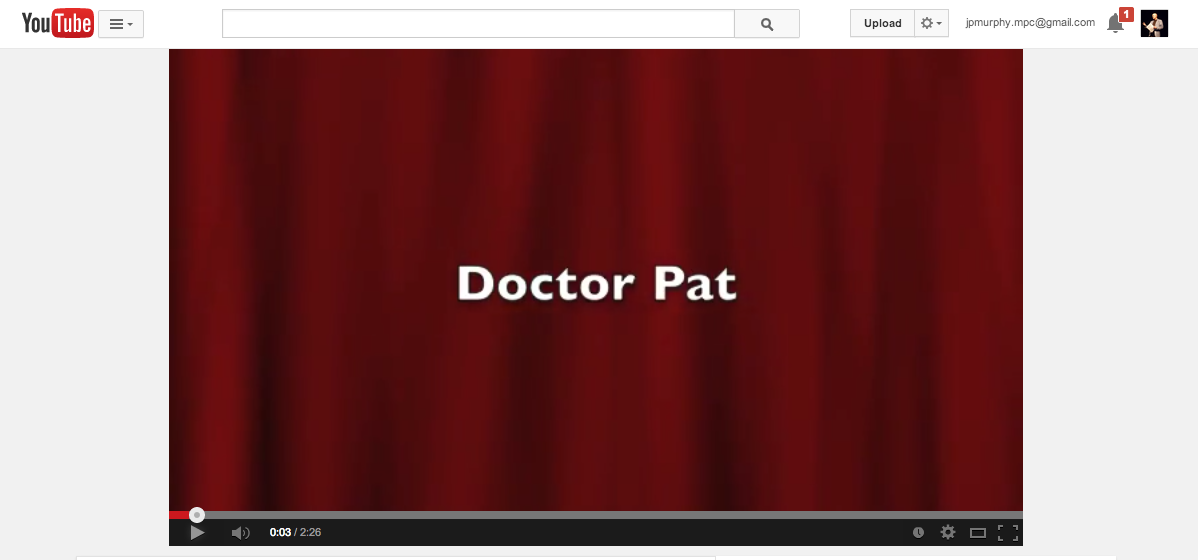
you tube dr pat

Best Original Song  pic.twitter.com/jgUWQJib0u

Confluential Truth ‏@jamespmurphymd  Feb 21

Take advantage of my craziness before they come and get me http://goo.gl/IZ0LXR 

*

karen neck

Best Original Poem (tie)  http://goo.gl/On3oi1

Confluential Truth ‏@jamespmurphymd  Jan 29

to interlope to offer hope through some relief tiny solace enough to cope – an excerpt from “The Algiatrist” http://goo.gl/IIkvkp 

*

white coat standing

Best Original Poem (tie)  http://goo.gl/aoJrfI

Confluential Truth ‏@jamespmurphymd  Dec 27

a white coat http://wp.me/p3C62j-5w 

*

Best Adaptation – Written Word  http://goo.gl/KI8BRk

Confluential Truth ‏@jamespmurphymd  Dec 24

HOLIDAY POEM FROM GLMS PRESIDENT http://conta.cc/19eakKk  via #constantcontact

*

zohydro

Best Adaptation – Written Word (Hon. Mention) pic.twitter.com/mJ5ZhMSWy6

Confluential Truth ‏@jamespmurphymd  17h

No bologna! My #ZOHYDRO thoughts appear on page 4 http://goo.gl/yNzheP  of Sunday’s C-J http://www.youtube.com/watch?v=rmPRHJd3uHI …

*

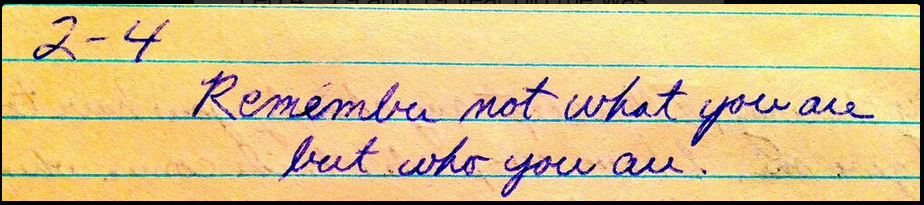
who you are

SPECIAL AWARD

Best Pre-Twitter Era “Thought For The Day” pic.twitter.com/c1uwmXnpfk

Confluential Truth ‏@jamespmurphymd  Feb 4

Feb 4, ’79 and 19 year old me was learning how to define himself. How do you define yourself? http://goo.gl/itw7YU 

*    *    *    *    *

And the award for BEST MOTION PICTURE goes to…

pat and silvie

http://goo.gl/06JerG

Confluential Truth ‏@jamespmurphymd  Jun 9

watch me get heckled 🙂 it’s a call to take charge of our future! please share it with your friends! http://vimeo.com/67679697 

*

dr m at kma

I want to thank the Academy.

The Story of “Doctor Pat”

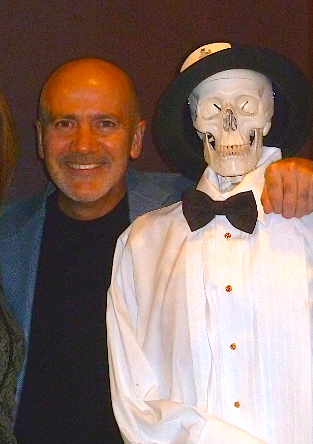
pat and skeleton

In early 2000 I was toying with the idea of hosting a radio call-in show. Well, the show still hasn’t happened. But that didn’t deter my former college roomie, Phil Ward, from writing the theme song.

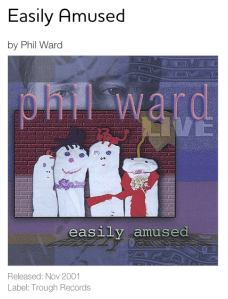
A few weeks after hearing of my intentions, he surprised me with “Doctor Pat.” The song was featured on his album “Easily Amused.”

easily amused

Now Phil has graciously given me permission to share “Doctor Pat” on YouTube.

you tube dr pat

(Disclaimer: It was very touching that my talented friend paid me such a tribute… However, the only part of the song I stand by is the FIRST LINE !!!)

“Doctor Pat” by Phil Ward

Chronic pain sufferers all is not lost,

Spinal stimulators at half my cost.

Nerve blocks, epidurals, everything must go,

I must be insane my prices are so low.


Take advantage of my craziness before they come and get me,

Doctor Pat, Doctor Pat.

I want to give it away but my wife won’t let me,

Doctor Pat, Doctor Pat.

Doctor Pat, Doctor Pat.

Doctor Pat, Doctor Pat.


Morphine pumps, facet blocks, trigger point injections,

In flagrant violation of my bookkeeper’s directions.

May I just introduce one little concept at this juncture?

No payments ‘til 2002 on first time acupuncture.


And no money down on electronic implants with,

Doctor Pat, Doctor Pat.

Everybody get nuts and do a pain free dance with,

Doctor Pat, Doctor Pat.

Doctor Pat, Doctor Pat.

Doctor Pat, Doctor Pat.


Take advantage of my craziness before they come and get me,

Doctor Pat, Doctor Pat

I want to give it away but my wife won’t let me,

Doctor Pat, Doctor Pat.

Doctor Pat, Doctor Pat.

Doctor Pat, Doctor Pat.

Doctor Pat.

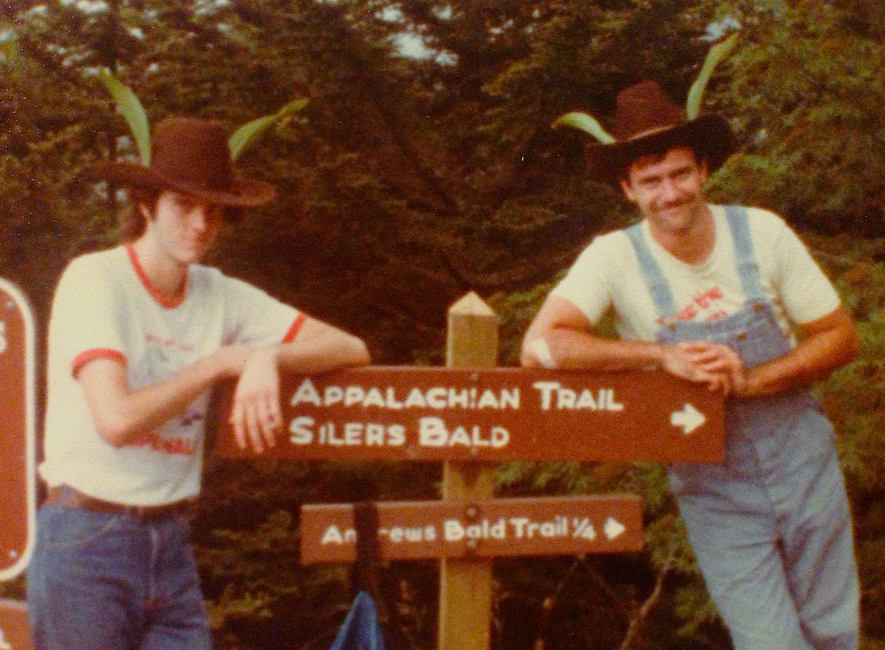
ap trail pat and phil Phil and Pat, circa 1982

“Doctor Pat” was written by Phil Ward with a little help from Doctor Pat (P. Ward, J. Murphy) Copyright 2001, ASCAP.

Thanks to Stephen Bassett for helping me with my first ever attempt at posting a YouTube video.

Discover the genius of Phil Ward – entertainment’s true Renaissance Man – by exploring Phil’s website and visiting his Facebook page.

James Patrick Murphy, MD, MMM

jamespmurphymd.com

Twitter @jamespmurphymd

Doctor Pat on YouTube http://www.youtube.com/watch?v=6vuUpSnPXz0

Phil Ward’s Facebook page https://www.facebook.com/pages/Phil-Ward-Live/180936201939986

Download “Doctor Pat” from iTunes https://itunes.apple.com/us/album/easily-amused/id69823459

Phil Ward, Trough Records philwardmusic.com

Easily Amused http://www.rhapsody.com/artist/phil-ward/album/easily-amused/track/doctor-pat