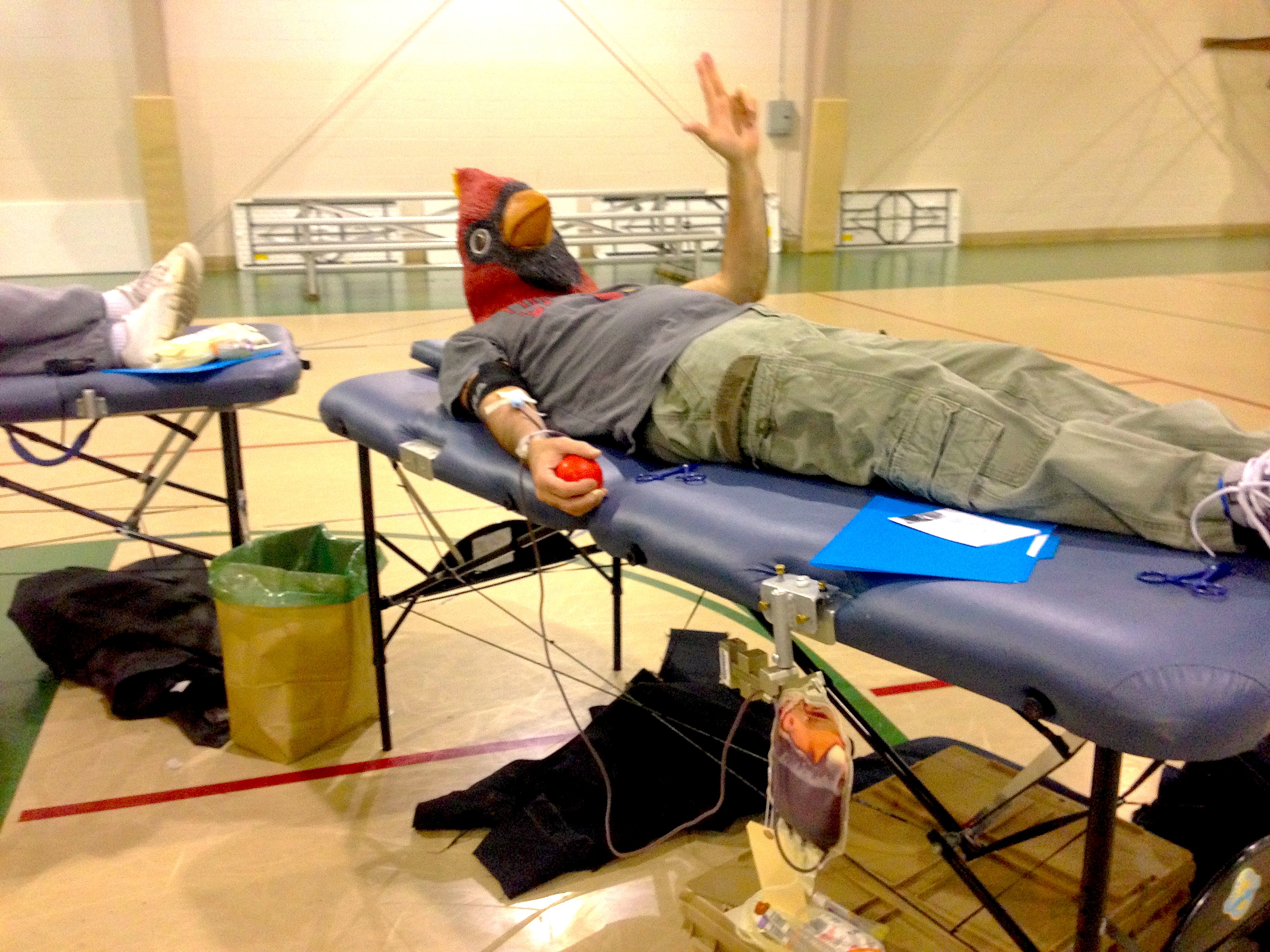
TWELVE DAYS UNTIL INDIANA’S PAIN REGULATIONS GO INTO EFFECT

December 4, 2013 – Counting today there are twelve days until Indiana’s Emergency Pain Regulations go into effect …on December 15, 2013.

trees

Let’s look at the first two sections (By the way “The Painful Truth” is my opinion):

SECTION 1

These REGULATIONS are from the Medical Licensing Board of Indiana and are applicable to PHYSICIANS only; and specifically with regards to OPIOIDS for CHRONIC PAIN.

The Painful Truth: In my opinion, every provider (i.e. dentists, podiatrists, nurse practitioners, physicians, etc.) should understand that the Attorney General’s Office supports the “First Do No Harm” guidelines for every provider.

SECTION 2

This section offers definitions, some of which I examine below:

* Chronic Painmeans a state in which pain persists beyond the usual course of an acute disease or healing of an injury, or that may or may not be associated with an acute or chronic pathologic process that causes continuous or intermittent pain over months or years.”

The Painful Truth: I take this as meaning any type of pain, for whatever reason, regardless of the severity, that is a problem for two months or longer; even if it is intermittent pain. This encompasses a generous range of chronic pain scenarios.

* Morphine Equivalent Dose “means a conversion of various opioids to a standardized dose of morphine by the use of accepted conversion tables.”

The “First Do No Harm” Toolkit gives some examples of equianalgesic doses to SIXTY MGM of MORPHINE (i.e. hydrocodone 50 mg; oxycodone 40 mg; fentanyl patch 25 mcg/hr), and notes “Equianalgesic tables should only serve as a general guideline to estimate equivalent opioid doses.”

The Painful Truth: This is an inexact science, and there are many “accepted” morphine equivalent conversion tables from which to choose – none of which are perfect. The Toolkit references an online calculator from GlobalRPH. I also like the one from Practical Pain Management. The state of Washington has a nice one as well. When making these conversions try to err on the low side. Better to underestimate than overestimate (i.e. Once someone takes a medicine it is impossible to get it back). Murphy’s laws:  (1) Start low and go slow; (2) Every dose is a test dose.

 * “Outset of an opioid treatment plan” refers only to a patient who has been prescribed: (1) more than sixty opioid-containing pills a month; or (2) a morphine equivalent dose of more than fifteen (15) milligrams per day; for more than three consecutive months.

The Painful Truth: This is very important, somewhat confusing, and will be discussed later. For now, just realize that there is definitely a threshold where these regulations become relevant.

Disclaimer: This is not legal advice. This is not medical advice. I represent no organization. All opinions, unless specifically referenced, are my own. If you have a medical condition please seek advice from your personal physician. Every patient, practitioner, and facility should consult its own counsel for advice and guidance. If you rely upon information from this website, you do so at your own risk.

FIFTEEN DAYS UNTIL INDIANA’S PAIN REGULATIONS GO INTO EFFECT

KEL ON SKI

December 1, 2013 – counting today there are fifteen days until Indiana’s Emergency Pain Regulations go into effect. On December 15th the way physicians prescribe pain medications in the Hoosier State will change.

Between now and December 15th I will regularly be posting this pain specialist’s take on the Indiana situation.  Having said that, it is time for a disclaimer:

This is not legal advice. This is not medical advice. I represent no organization. All opinions, unless specifically referenced, are my own. If you have a medical condition please seek advice from your personal physician. Every patient, practitioner, and facility should consult its own counsel for advice and guidance. If you rely upon information from this website, you do so at your own risk.
Here we go…

One should begin this journey by understanding the difference between a law, a regulation, and a guideline.

A law is a rule that has been passed by elected officials. Violation of a law may be viewed as a criminal act.

Indiana’s new pain law (a.k.a. additions to Senate Bill 246) is fairly concise and does not directly apply to physicians. Instead, it says the medical board must come up with regulations – which they did.

A regulation is a rule that is usually created by a government agency (i.e. a “bureaucracy”) as opposed to the legislature. Regulation determines how laws will be enforced. Violation of a regulation may not be a criminal act but can incur a wide-range of penalties.

As previously stated, Indiana’s Emergency Pain Regulations go into effect on December 15, 2013 and are subject to revision until November 1, 2014, at which time the permanent regulations are due.

A guideline, especially when endorsed by a governing body, is a set of opinions that offer insight into the manner in which regulations and laws can be properly followed. Violating a guideline may or may not be considered a wrong move, but generally will require a legitimate explanation as to the decision-making process.

The Indiana State Attorney General’s Office has published a detailed set of guidelines, called “First Do No Harm,” which offer insight as to what regulators will consider as proper medical practice, should they be called upon to investigate a controlled substances related issue.

In summary, Indiana physicians who prescribe controlled substances do not need to know details of the new law, as it does not apply directly to them.

However, physicians should clearly understand the Emergency Pain Regulations and how these regulations will affect their practice after December 15, 2013.

Also, physicians are strongly urged to become familiar with the “First Do No Harm” guidelines and to start incorporating as many of the recommended practices as possible.

Stay tuned.  It’s only December 1st.

There’s more painful truth in the days to come.

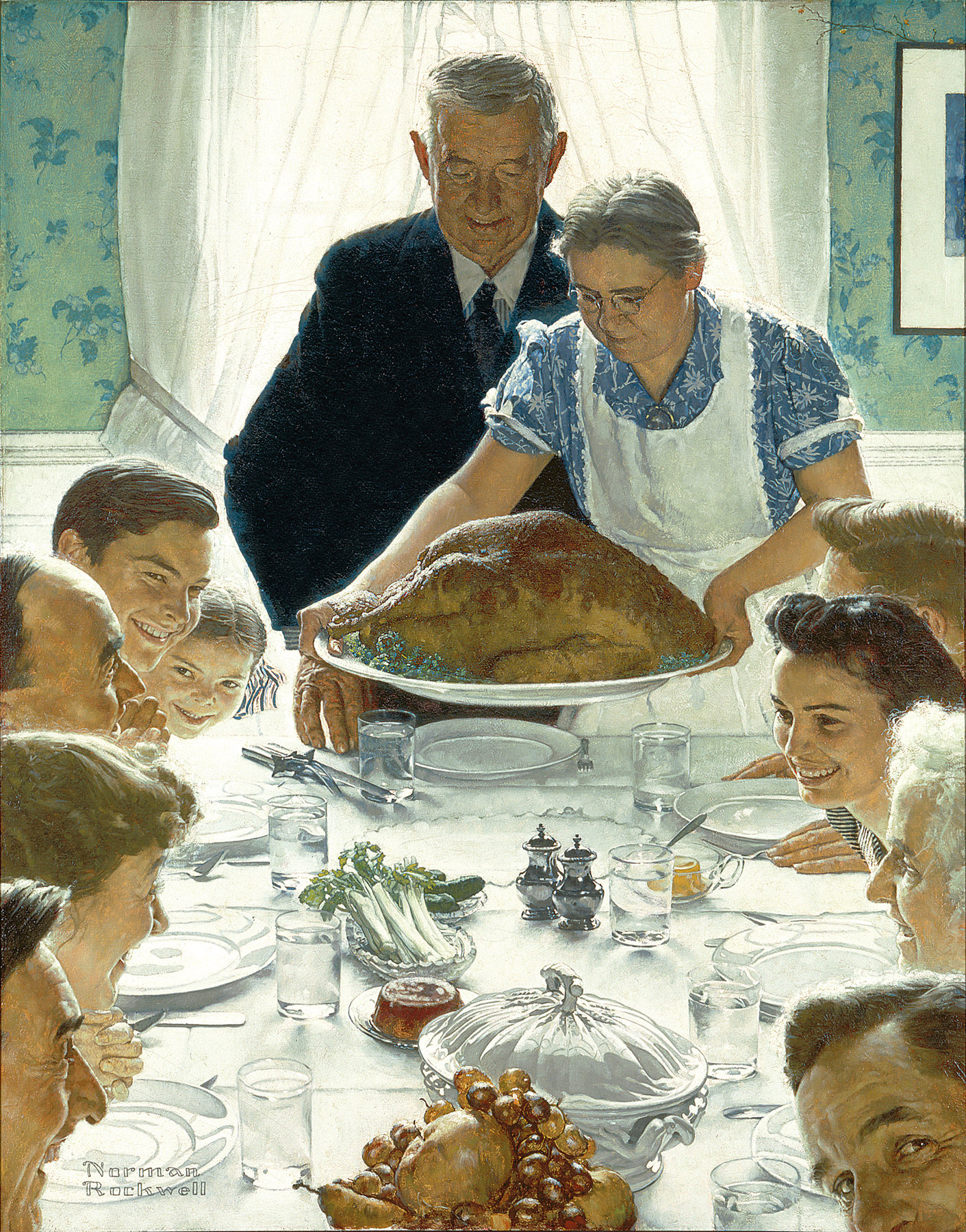
Happy National Family History Day

Rockwell-freedom from want

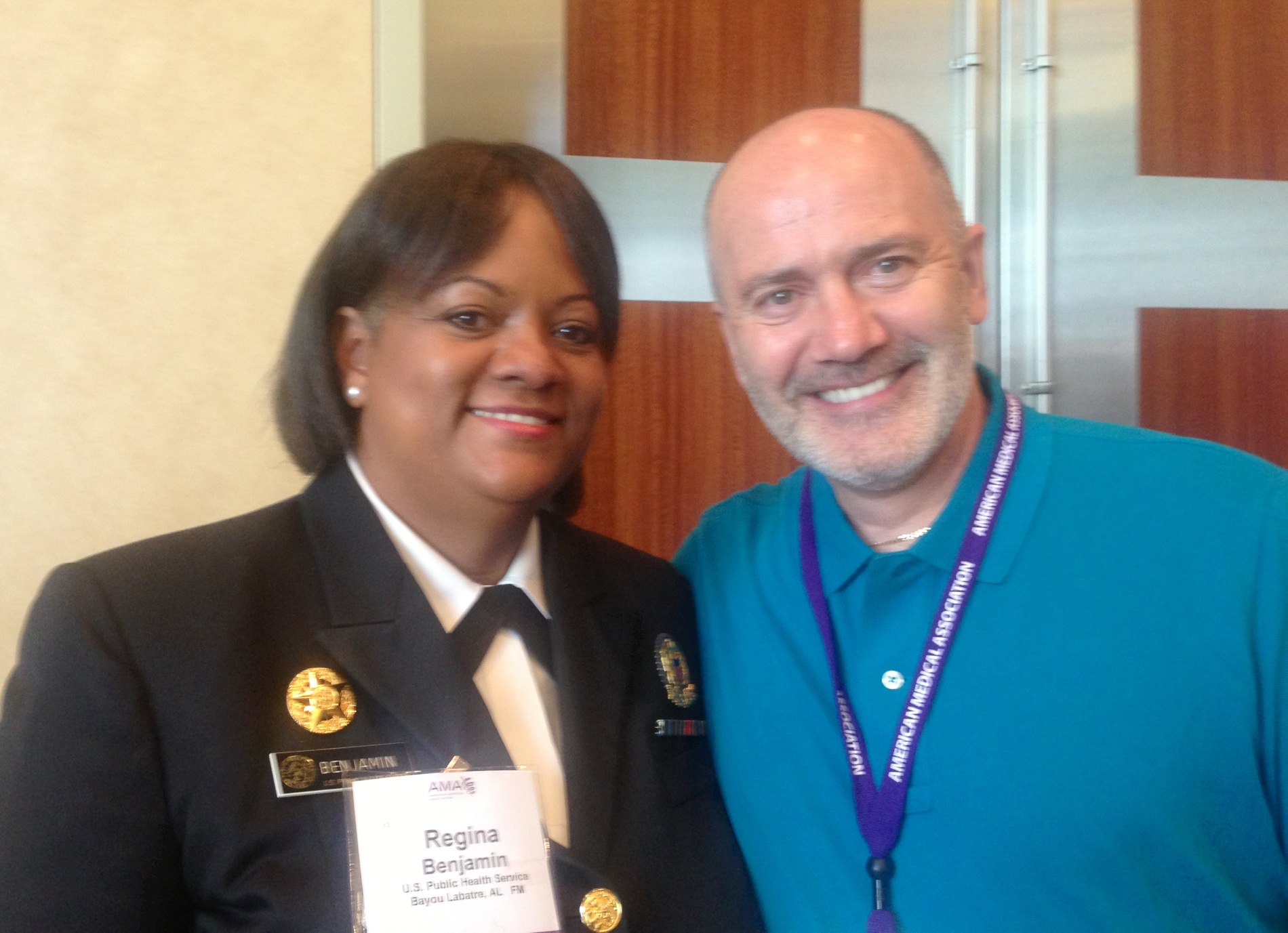
Since 2004 the Surgeon General has declared Thanksgiving to be National Family History Day.

SG and ME

Holiday family gathering are an opportune time to chat about what “runs in the family.” Knowing your family’s health history can help make future Thanksgivings possible.

Of course, more than just golden nuggets of health history are the treasures discovered in discourse with your family.  Time together is precious, fleeting, immediate and eternal. Cherish every moment this holiday.

In closing, I will share with you my all time favorite talk-with-your-loved-ones song –  “Living Years” by Mike and the Mechanics. If this doesn’t get you in the mood for a little heart to heart you are probably in a post-turkey-dinner-coma.

Happy Thanksgiving.

simpsons thanksgiving

Be a Good Samaritan

Please support “Good Samaritan 911” legislation. To some degree, we have all been touched by the tragedy of drug overdose. People – and this includes our children – are dying in epidemic numbers.

Contact your lawmakers and you may save a life.

redphone

GOOD SAMARITAN 911

ISSUE

Kentucky has the third highest drug overdose mortality rate in the United States (REF 1). The chance of surviving a drug overdose depends on how fast one receives medical assistance. Too often, witnesses to an overdose delay or fail to call 911. Research confirms that the most common reason is fear of police involvement (REF 2). Fourteen states and the District of Columbia have enacted policies (e.g. “Good Samaritan 911”) to provide limited immunity from arrest or prosecution for minor drug law violations for: (a) people who summon help at the scene of an overdose and (b) for the overdose victim.

BACKGROUND

Deaths from drug overdose have been rising steadily over the past two decades and have become the leading cause of injury death in the United States (REF 3).

Accidental overdose deaths are now the leading cause of accidental death in Kentucky. In 2010, for the first time, there were more deaths in Kentucky due to unintentional drug poisonings than motor vehicle collisions (REF 4).

Kentucky’s overdose mortality rate is third highest in U.S. (i.e. 23.6 per 100,000 people suffering drug overdose fatalities). The number of drug overdose deaths – most of which are due to prescription drugs – in Kentucky has quadrupled since 1999 when the rate was 4.9 per 100,000 (REF 5).

Many of these deaths occur because no one, not even family or friends, is willing to call 911 due to the fear of arrest. The best way to encourage overdose witnesses to seek medical help is to exempt overdose witnesses from arrest and prosecution for minor drug and alcohol law violations. This is the basis of the “Good Samaritan 911” law (REF 6).

Currently, fourteen states and the District of Columbia have passed immunity or sentence mitigation laws to encourage calls for help in the case of an overdose. It is important to note that the existence of an immunity law (e.g. “Good Samaritan 911”) does not protect people from arrest for other offenses, such as selling or trafficking drugs, or driving while intoxicated. “Good Samaritan 911” protects only the caller and overdose victim from arrest and/or prosecution for simple drug possession, possession of paraphernalia, and/or being under the influence. “Good Samaritan” laws can encourage bystanders to summon medical assistance by mitigating negative legal outcomes (REF 7, REF 8).

Multiple studies show that most deaths occur one to three hours after the victim has initially ingested or injected drugs. The time that elapses before an overdose becomes a fatality presents a vital opportunity to intervene and seek medical help (REF 8). The chance of surviving an overdose depends greatly on how fast one receives medical assistance. “Good Samaritan 911” can save lives by allowing timely emergency care for overdose victims – i.e. advanced cardiac life support and reversal of drug effects by antidote.

“Good Samaritan 911” has few negative effects, can be implemented at little or no cost, and has the potential to save both lives and resources (REF 9).

RECOMMENDATION

Legislature should pass a law (e.g. “Good Samaritan 911”) providing – for an overdose victim and the person requesting medical assistance – immunity from arrest and/or prosecution for simple drug possession, possession of paraphernalia, and/or being under the influence.

James Patrick Murphy, MD, MMM
November 26, 2013

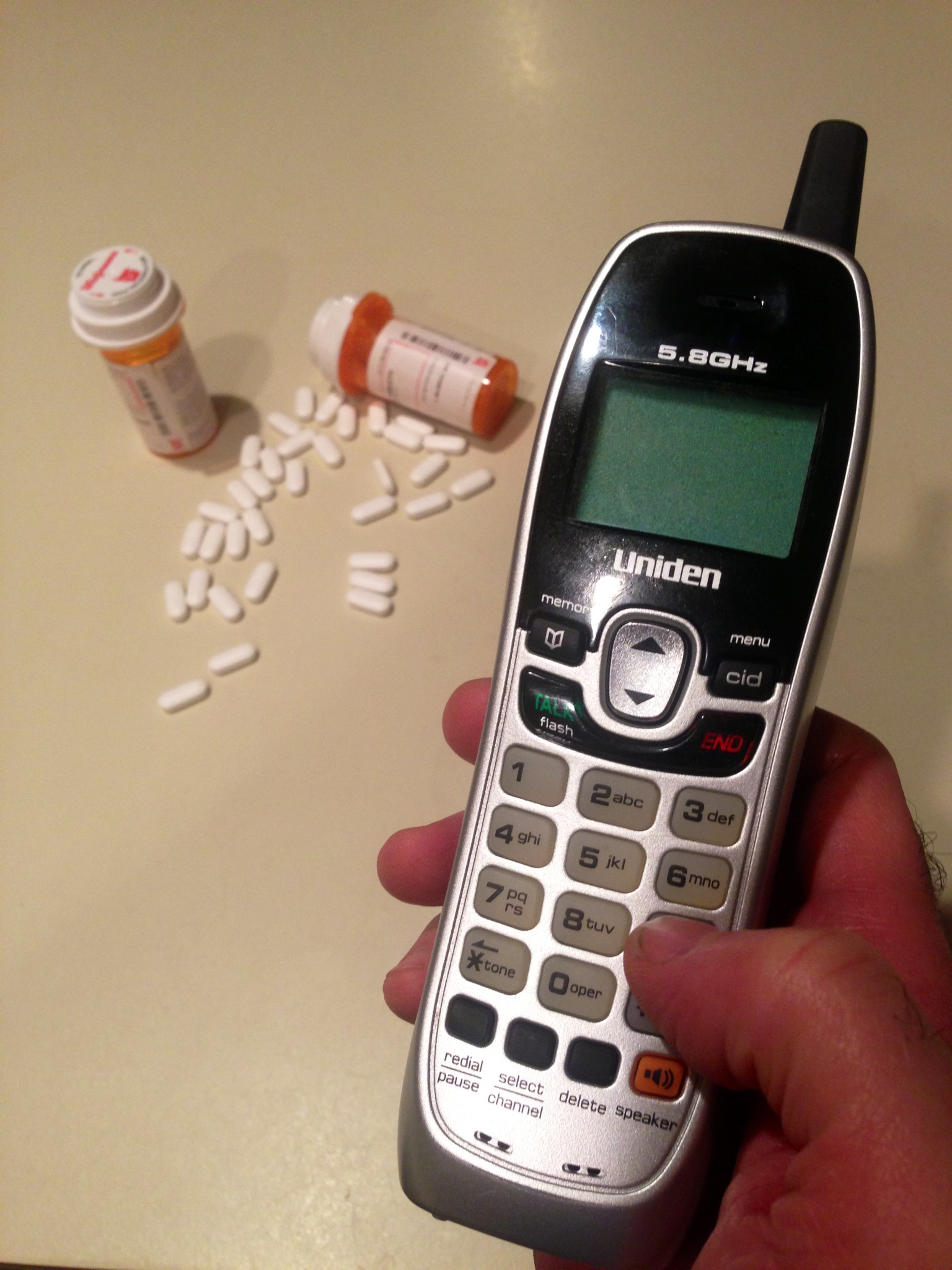
Finally, in preparation for this post I took this picture.

phone 911

It was about 11:30 pm on a Sunday night. Hoping to make it look authentic I punched in 9 – 1 – 1 but did not hit “SEND.”  Well, the phone outsmarted me (not hard to do) and an operator answered right away. I apologized and said it was a mistake. She said, “OK” and hung up.  Then, to my surprise, there was a knock on my front door ten minutes later. Outside were two of Louisville’s finest.

“We were alerted of a 9-1-1 hang-up at this address. Is everything OK?”

I apologized again and thanked them profusely.

As I closed the door it occurred to me that had this been a “Good Samaritan 911” call a life could have been saved by their rapid response. Further evidence that…

This law will work. It will save lives.  Let’s get it done.

Please Contact your lawmakers today and ask them to support “Good Samaritan 911” legislation.

This post is dedicated to John. Your courage and love for your son inspires me.

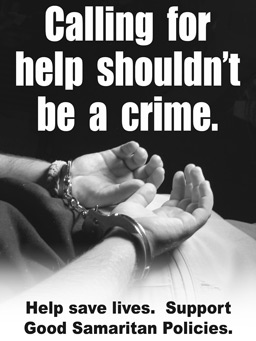
handcuffs good samaritan

the algiatrist

karen neck

a private place

study her face

fix on his eyes

feel her sinew

give an embrace


innovation

radiation

numb a raw nerve

eradicate

pain creation


to interlope

to offer hope

through some relief

tiny solace

enough to cope


by james patrick murphy

clark

On November 21, 2013 I felt useful.

James Patrick Murphy, MD

Algiatrist

Doctors of the Roundtable

The Knights of the Round Table in Merlin season 5[3]

On Friday, November 15th Senator Rand Paul hosted a physician “roundtable” at Floyd’s Fork Park in Louisville. While he did invite us to attend the fundraiser to follow, he made it clear that our attendance was neither expected nor was our checkbook necessary. The media was not invited to the roundtable. I was never asked about my political affiliation or leanings.  Mine was the seat just to his right.

Not including Dr. Paul, there were seventeen physicians assembled. We expressed frustration with underfunding of procedures, rationing of healthcare, electronic medical records flooded with useless data solely for the sake of bureaucratic compliance, the burden of multi-layered government regulations, being “forced” to become hospital employees to survive, and physician depression with this whole mess.

Senator Paul was focused and engaged – and not short on opinion. He spent about one-half of the time talking and one-half listening.  Here is a summary of my take on Dr. Paul’s positions:

  1. Due to the swell in population of older Americans, our current system (i.e. Medicare and Social Security) will not be able to deliver the promised benefits.  People with “means” will have to pay more, and the qualifying age will have to be increased.
  2. The Affordable Care Act is 2000 pages of law that unfortunately became 20,000 pages of regulations.
  3. The recent cancellations of health insurance plans are not directly due to the Affordable Care Act; rather they are due to bureaucratic interpretation of the law.
  4. We cannot have a “one size fits all” health care system. There should be a tiered system allowing the option of paying less for less.
  5. The consumer must have a role in controlling health care costs.
  6. Health savings accounts encourage people to ask, “How much does this cost?”
  7. All seniors should be allowed to enroll in the same health care plan that is offered to government employees.
  8. Medicolegal tort reform on a national level will never happen. It has to happen at the state level.

Near the end of the hour-long discussion I had an opportunity to contribute to the discourse and spoke directly to the Senator:

First, I want to thank you for having this roundtable. We know you have tremendous demands on your time. Being here tonight to meet with your colleagues is both gracious and generous.  As a senator, we know you deal with a range of important issues. As a physician you offer a unique and expert perspective.

What is obvious from tonight’s discussion is that your colleagues share passion for providing care and a deep concern – if not outright fear – that medicine is rapidly becoming so automated, so regulated, and so litigated that caring for individuals will be soon be irreversibly sacrificed in favor of managing populations. As a result, talented, dedicated, and independent thinkers will shun medicine, leaving behind a failed health care delivery system, devoid of innovation, imagination, and heart.

I polled my colleagues, asking them what one thing they would tell you and what one question they would ask.  The top three messages for you are: 

1. Republicans should stop trying to defund the Affordable Care Act and instead come up with solutions.

2. Don’t give up on tort reform.

3. Get us out from under the crushing burden of government regulations.

The most common question for you is: What can WE do? 

The senator’s answer was one I have heard before: “Get involved.”

Regardless of your personal ideological leaning, no one can dispute that Dr. Paul is involved.

And on this night Dr. Paul involved us.

Depressed? Not me.

Motivated? You bet.

Sometimes a little from a lot means more than a lot from a few, so…

Contact your elected officials.

See how you can work with the American Medical Association.

Check in with the Kentucky Medical Association.

Hoosiers should explore the Indiana State Medical Association activity.

The Greater Louisville Medical Society is a great place to get involved.

Still need motivation? Watch this video.

pat and silvie

To paraphrase my comments at the Kentucky Medical Association this past September…

The strength that comes as a product of our shared core values is the greatest safeguard for the health and well being of our neighbors and loved ones.

No one can change that or take that from us.

We care.

We put patients first.

We cherish and deserve their trust.

And trust is the foundation of our strength.

Yours in earnest,

Sir Pat

Addendum:  Dr. Paul left the roundtable with more than just our thoughts…

He accepted the Excalibur of writing utensils… mightier than the sword.

pen excalibur

An Opportunity For Dialogue with Senator Paul

flag 2

Dear Friends,

I get to participate in a small group physician roundtable with Kentucky Senator Rand Paul today at 4:30 pm EST.

If you had one thing to tell Senator Paul, what would it be?

If you had one thing to ask him, what would it be?

Please leave me your thoughts in the “Comments” section of the blog post.

Let’s listen and be heard.

Thanks,

Pat

The Painful Truth

https://jamespmurphymd.wordpress.com

Favorites From My First 100 Tweets

Dr M speaking

The Greater Louisville Medical Society’s “Presidents’ Celebration” ended with…

Follow me this year on TWITTER. If you don’t know, ask any teenager and they’ll walk you through it.”


Chinandega 2008 op smile  copy

Here are some favorites from my first 100 tweets…


jp

James P Murphy MD ‏@jamespmurphymd 11 Nov Veterans Day With J.P. Murphy http://wp.me/p3C62j-2d 


James P Murphy MD ‏@jamespmurphymd6 Nov There’s drama at the eVoice: http://archive.constantcontact.com/fs105/1101098564175/archive/1115456070833.html … & Indiana opioid rules drama on my blog The Painful Truth: https://jamespmurphymd.wordpress.com 

James P Murphy MD ‏@jamespmurphymd5 Nov Did you hear that sound? http://wp.me/p3C62j-24 

James P Murphy MD ‏@jamespmurphymd4 Nov Confluential Truth http://wp.me/p3C62j-1Z 

James P Murphy MD ‏@jamespmurphymd4 Nov My blog has a summary of 31 posts with links re: #substance #abuse #prevention #addiction & #pain: The Painful Truth https://jamespmurphymd.wordpress.com 


ghost

James P Murphy MD ‏@jamespmurphymd31 Oct Dear fiends… I mean FRIENDS, http://wp.me/p3C62j-1J 


James P Murphy MD ‏@jamespmurphymd22 Oct I got the first word… http://wp.me/p3C62j-1x 

James P Murphy MD ‏@jamespmurphymd20 Oct #NSAPM Day 20: Joe Elliott and I talked addiction, prevention, treatment and pain management on his radio show: https://docs.google.com/file/d/0B2PLAYRyZSJjYVRVSGxUVHJxbkk/edit?usp=sharing …

James P Murphy MD ‏@jamespmurphymd17 Oct #NationalSubstanceAbusePreventionMonth Day 17: Don’t let KASPER spook you! (Louisville Medicine, page 20) https://www.glms.org/Content/User/Documents/Louisville%20Medicine/LM%202012/GLMS%20Mag%20Jan%202012.pdf …

James P Murphy MD ‏@jamespmurphymd16 Oct Day 16 #NSAPM: Why does the pain doc make you pee in a cup? It may be random, but that’s how I roll http://www.practicalpainmanagement.com/treatments/pharmacological/opioids/tumblin-dice-why-does-random-matter?page=0,1 …

James P Murphy MD ‏@jamespmurphymd15 Oct Day 15 of #NationalSubstanceAbusePreventionMonth: Dr. Murphy talks pain and addiction with Dr. Wayne Tuckson on KET: http://www.ket.org/cgi-bin/cheetah/watch_video.pl?nola=KKHEA%20000902&altdir=&template= …

James P Murphy MD ‏@jamespmurphymd10 Oct #NSAPM Day 10 How can you avoid being addicted to your pain meds? It helps if your doctor can juggle. I try it at: http://www.courier-journal.com/article/20120604/NEWS01/107100009 …


courthouse corydon

James P Murphy MD ‏@jamespmurphymd7 Oct #NSAPM Day 7: “An Open Letter to the Medical Licensing Board of Indiana” Primum Non Nocere, i.e. “First Do No Harm” https://jamespmurphymd.wordpress.com 


James P Murphy MD ‏@jamespmurphymd27 Sep Read about my big adventure @ the Indiana Medical Board on Wednesday. Learn how you can help preserve pain care. https://jamespmurphymd.wordpress.com 

James P Murphy MD ‏@jamespmurphymd11 Sep No mission, no margin? Check out my eVoice in the September issue of Louisville Medicine September to find out. http://archive.constantcontact.com/fs105/1101098564175/archive/1114772031297.html …

James P Murphy MD ‏@jamespmurphymd1 Aug My August eVoice in Louisville Medicine is about the physicians’ return on investment- It’s not what you think http://archive.constantcontact.com/fs105/1101098564175/archive/1114344399884.html …

James P Murphy MD ‏@jamespmurphymd11 Jul “I cannot keep from wondering what time will do, and I wonder how far away from yourself you will go.” July’s eVoice! http://archive.constantcontact.com/fs105/1101098564175/archive/1113925726984.html …


bleed red

James P Murphy MD ‏@jamespmurphymd16 Jun Thanks Mike Rutherford for giving Louisville Medicine a spotlight. The Card Chronicle blog is witty & well written http://www.cardchronicle.com/2013/6/11/4420106/tuesday-evening-cardinal-news-and-notes …


pat and silvie

James P Murphy MD ‏@jamespmurphymd9 Jun watch me get heckled 🙂 it’s a call to take charge of our future! please share it with your friends! http://vimeo.com/67679697 


James P Murphy MD ‏@jamespmurphymd24 May“…pay attention when your loved ones are speaking, as if it were the last time you might hear them.” Mitch Albom, “Tuesdays with Morrie”


rear view

Thanks for coming… and going…

Veterans Day With J.P. Murphy

flag

“We would like to honor any veterans by allowing them to disembark first.”

Getting off the boat ahead of the disabled, elderly, and parents-with-small-children felt awkward. But it was Veterans Day. And I had raised my hand when the guide asked if there were any veterans on board.

Exiting, I received nods, smiles, and a few “Thank you for your service” expressions of gratitude.

Back in 1988 I spent only a few hours in Hawaii, dispatched as a Flight Surgeon from the USS Enterprise. But this time, attending the 2012 AMA meeting in Honolulu, I was a tourist.

arizona

As I walked along the USS Arizona memorial  – a solemn white barge straddling the sunken warship – I continued to feel glancing stares, looks of admiration, and nods of gracious appreciation.

missouri

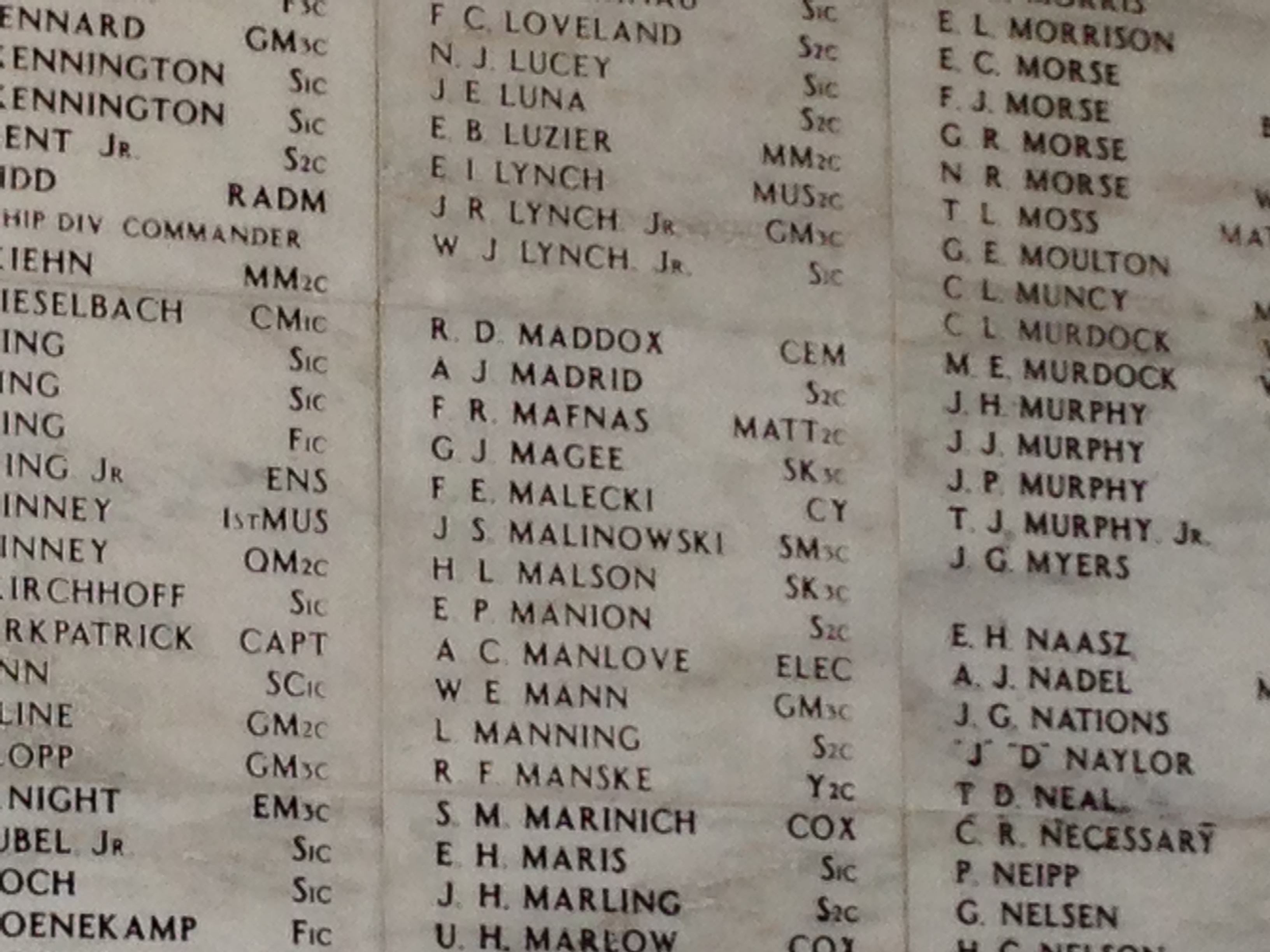
Eventually I found a large marble wall upon which was inscribed the names of the men whose remains were still entombed in the decaying vessel, still leaking fuel known as “black tears.”

the wall

I suddenly began to feel the weight of sadness and wanted to find a way to express my feelings… someone I could thank.

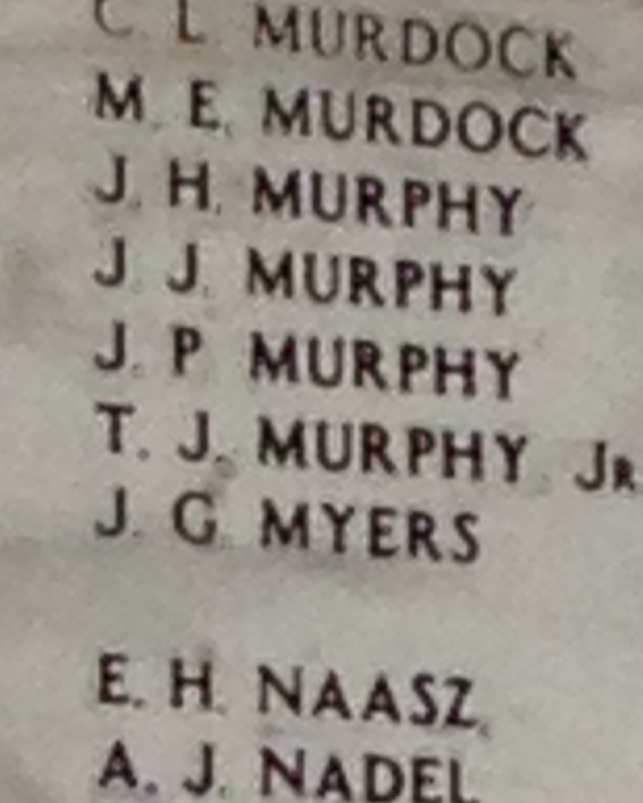
Then I saw my name on the wall.

jp

J.P. Murphy died on that ship, in that attack on December 7, 1941, in the line of duty, in service to my country, to preserve my freedom, my way of life, my hope, my future, my children’s future. His remains are entombed in the silent hulk of metal decaying in the harbor just a measure beneath where I stood.

My words could not transit the clear water between my namesake and me. But I did leave a salty tear on the marble floor in front of the wall that bares the name he and I share.

As a physician I have treated many veterans – while on active duty, during medical school, on rotations at the VA hospital, and as a pain specialist in private practice. Whenever I remember to thank a veteran for his or her service, they usually appear a bit uncomfortable with the personal accolades. Most will segue to a story about someone they knew who gave more.

I hope this Veterans Day will inspire you to thank every veteran. When you do, notice that most will shy away, knowing there are many names on many walls for many heroes like J.P. Murphy who gave more, gave all.

–  J.P. Murphy

November 11, 2013

Did you hear that sound?

downedtree10

On October 14, 2013 a regulatory tree fell in the woods.

Did you hear it?

The “tree” was Indiana’s emergency rule regarding opioids for chronic pain.

The tree will sound again on December 15, 2013 when it actually goes into effect.

In the meantime, I urge all physicians who practice in the Hoosier State to take a look at the document available at:

http://www.in.gov/pla/files/Emergency_Rules_Adopted_10.24.2013.pdf

Indiana Attorney General Greg Zoeller is taking an active role. Here’s his very informative website:

http://www.in.gov/bitterpill

Indiana’s “First Do No Harm” prescriber took kit (more like a textbook) is very good, up to date, and available for download at:

http://www.in.gov/bitterpill/docs/First_Do_No_Harm_V_1_0.pdf

And a fine summary poster is available at:

http://www.in.gov/bitterpill/docs/First_Do_No_Harm_Poster.pdf

The Indiana State Medical Association has had a role in this process as well.

http://www.ismanet.org/news/ViewArticle.aspx?ArticleId=836#.UnhRjJTk-XQ

And the Greater Louisville Medical Society plans on offering educational seminars in Southern Indiana.

I am currently in the process of digesting these new regulations and will soon publish an opinion on what they mean for physicians and patients.  My first recommendation is to look at that summary poster.

Trees are falling.


James Patrick Murphy, MD, MMM attended medical school at the University of Louisville, interned in Psychiatry at the San Diego Naval Hospital, studied at the Naval Aerospace Medical Institute, and later served as a Naval Flight Surgeon onboard the aircraft carrier U.S.S. Enterprise.  He returned to Louisville in 1989 for residency training in Anesthesiology after which he completed a Pain Medicine Fellowship at the Mayo Clinic in Rochester, MN. Dr. Murphy is Kentucky’s first physician to achieve combined board-certification in Pain Management and certification in Addiction Medicine. Dr. Murphy is President of the Greater Louisville Medical Society, Medical Director of Murphy Pain Center, Assistant Clinical Professor at the University of Louisville School of Medicine, and serves on the board of the International Association for Pain and Chemical Dependency. In May 2013 Dr. Murphy earned a Master of Medical Management degree from the University of Southern California Marshall School of Business.